

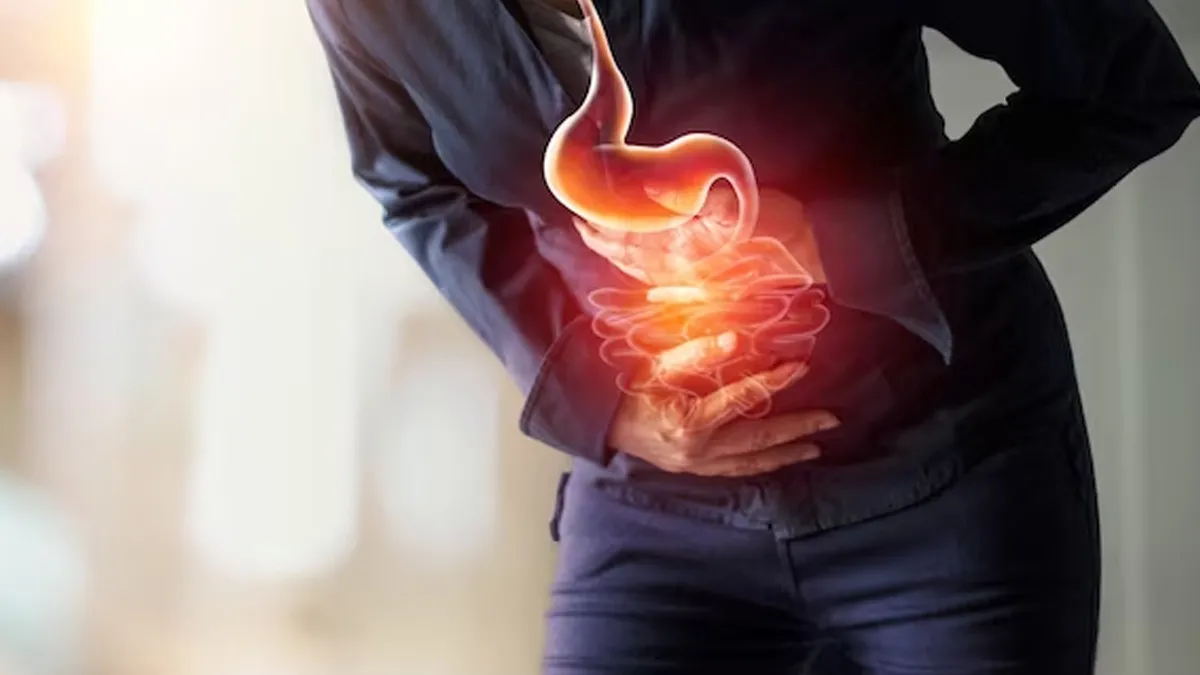
Detox diets have become one of the biggest wellness trends, whether it's a three-day juice cleanse, herbal teas, or plans promising to get rid of those really harmful toxins. Detox diets promise to give the digestive system a fresh start. However, do they actually work the way they are known for? According to experts, the answer is considerably simpler and far more reassuring than most detox programs make it seem.
Table of Content:-
In an exclusive interaction with the editorial team of Onlymyhealth, Dr Anukalp Prakash, Director of Gastroenterology, CK Birla Hospital, Gurugram, explained it clearly. He shared, “Detoxes are often framed as a quick route to cleanse the body of toxic agents and rebalance the gut. However, experts in medicine and nutrition say all that is already accounted for in our complex internal detox machinery. At every moment, the liver, kidneys, lungs, skin, and gastrointestinal tract work diligently to filter out waste products and injurious chemicals and export them from the body.”
“In other words, our body detoxes for you 24/7,” Dr Prakash added.
How the Digestive System Naturally Handles Toxins
Our digestive tract is one of the hardest-working systems in the body. Everything eaten gets broken down, the nutrients get absorbed, and whatever is not needed gets moved along and eventually excreted. A key player here is the gut microbiome, which, in other words, is billions of friendly bacteria that help digest food and act as defenders against bad microbes.
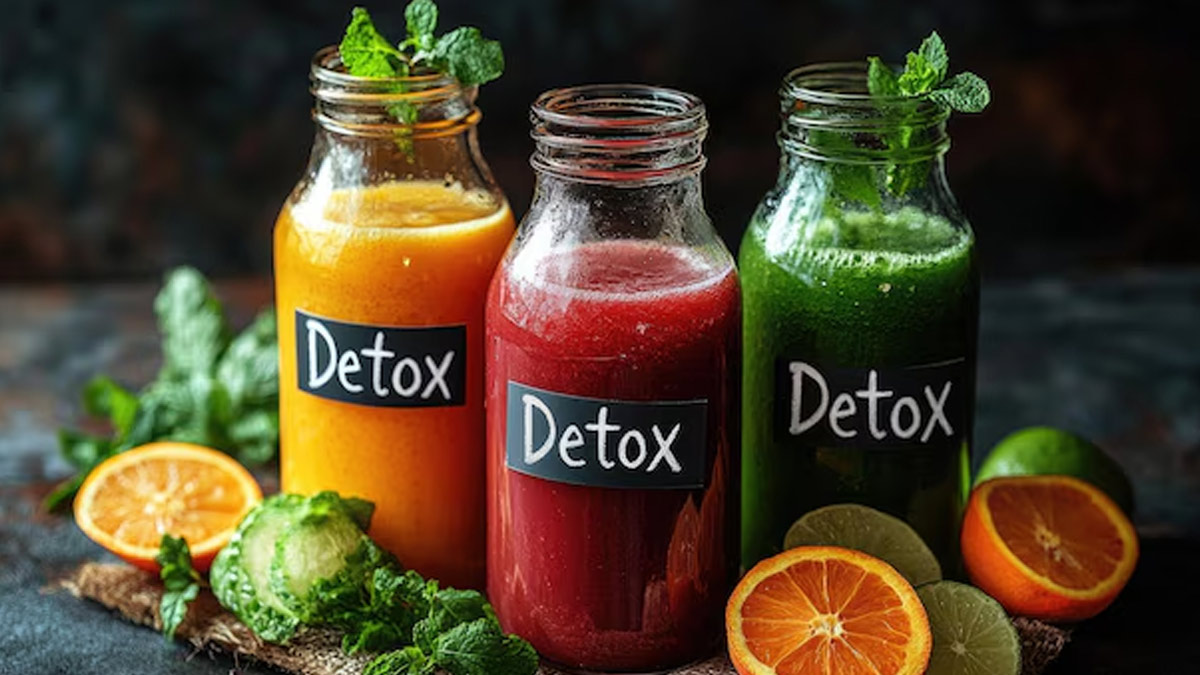
One of the most significant natural detoxification tools is fibre. It comes from fruits, vegetables, beans, nuts, and whole grains. Fibre helps in providing easy bowel movements and enables the excretion of waste material from the body effectively.
Most of the detox diets are heavily reliant on fruits and vegetables, and hydration. So when people feel lighter or less bloated on a detox, it's usually because:
- They are consuming more fibre.
- They drink more water.
- These items include alcohol, sugar, excessive salt, and processed foods.
Why People Feel Better on Detox Diets?
Many people report improved energy, reduced bloating, or being more regular while on a cleanse. According to Dr Prakash, these improvements are the result of:
- Eat fewer processed foods
- Cutting down on sugar and alcohol
- Increasing daily water intake
- Increasing whole foods in the diet
ALSO READ- What Is Brown Butter? Expert Shares If It’s Good for Digestion

Side Effects of Extreme Detox Diets
Detox diets sound harmless, but the truth is, some will cause more problems than they cure. This is because:
- The juices lack protein and healthy fats that are important for gut health and metabolism.
- Severe calorie restriction leads to reduced metabolism and normal digestion.
- Most detox teas contain stimulant laxatives, which may cause dehydration, electrolyte imbalance, cramps, and irritation.
According to Dr Prakash, detox diets should never be used as meal replacements or quick fixes to weight loss. They are not sustainable and may harm the digestive system rather than help it.
What Actually Supports Digestive Wellness
If you want better digestion, you need consistency and not detox diets. Dr Prakash recommended habits in line with the body's natural detox system. These include:
- Eat high-fibre foods, including whole grains, fruits, and vegetables.
- Drink plenty of water throughout the day
- Include fermented foods containing probiotics, such as curd, kefir, kimchi, or fermented vegetables.
- Reduce ultra- and highly processed foods
- Practice mindful eating: chew slowly, eat without hurrying, and pay attention to hunger signals.
These gentle, sustainable habits help your gut do its job efficiently, no extreme detox needed.
Bottomline
Detox diets won't clean your digestive system, but a balanced, fibre-rich diet and healthy habits can support your gut's natural detoxification every day.
Also watch this video
FAQ
1. Do detox diets remove toxins in the digestive system?
No, your liver, kidneys, lungs, skin, and gut do the job much more efficiently.2. Why do I feel lighter or less bloated on a detox?
That is mostly because during a detox diet one eats fewer processed foods and more fibre, and stays hydrated, not because toxins are being flushed out.3. What is the safest way to support digestion?
Eat more fibre, hydrate, add probiotics, and avoid processed foods. Simple habits work way better than any cleanse out there.
Read Next
Expert Warns Breathing at the Gym During High AQI May Do More Harm Than Good, Here's What To Do
How we keep this article up to date:
We work with experts and keep a close eye on the latest in health and wellness. Whenever there is a new research or helpful information, we update our articles with accurate and useful advice.
Current Version
Dec 10, 2025 14:59 IST
Published By : Tanya Srivastava