
Receiving a cancer diagnosis during pregnancy is an overwhelming experience that leaves expectant parents facing profound worry for two lives at once. Navigating maternal health alongside fetal development presents unique medical and emotional hurdles. The short answer is yes. Cancer treatment can often be administered safely during pregnancy without having to choose between the health of the mother and the development of the baby. Read on to learn more about it.
Is Cancer Treatment Safe In Pregnancy?
Dr Sachin Sekhar Biswal, Consultant in Medical Oncology at Manipal Hospitals, Bhubaneswar, explains, “In many cases, cancer treatment can be given safely during pregnancy, but it needs careful planning involving an oncologist, obstetrician, and often a neonatologist. The approach depends on the cancer type, how far along the pregnancy is, and how urgently treatment is needed.”
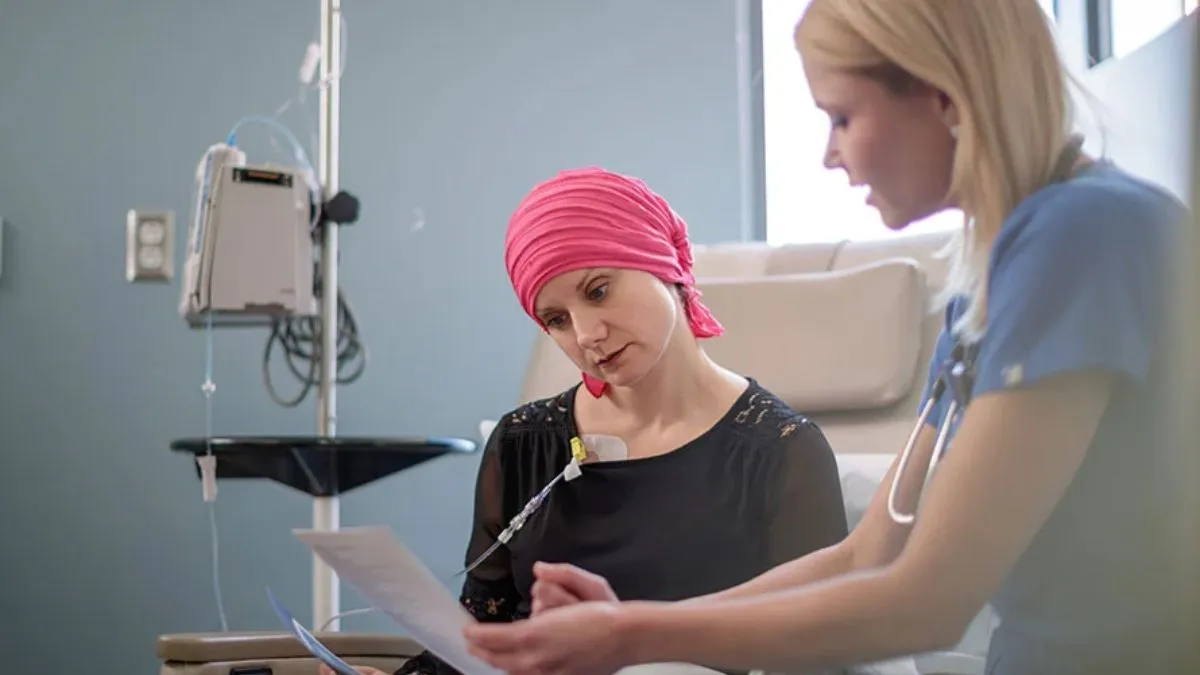
A diagnosis during pregnancy doesn't automatically mean choosing between the mother's health and the baby's; with the right timing and team, both can often be managed together. With precise timing, tailored medical strategies, and a collaborative clinical team, many pregnant women successfully undergo treatment while preserving their pregnancy and working toward positive health outcomes for both themselves and their unborn child.
According to a 2022 study published in Pharmaceutics, treating cancer during pregnancy involves careful timing to protect both mother and child. Doctors generally avoid giving chemotherapy or immunotherapy during the first trimester. This is because the baby's vital organs are forming, and cancer drugs can cause birth defects or miscarriage. However, treatments are much safer starting in the second trimester.
Surgery is considered the safest option and can be performed in any trimester. Radiotherapy is usually avoided due to radiation risks. Today, doctors adjust drug schedules to keep the mother healthy while allowing the baby to grow safely.
What Are the Side Effects of Cancer Treatment During Pregnancy?

Undergoing cancer therapy while expecting can exacerbate standard side effects, making close medical supervision essential. Key side effects include:
- Fatigue and Nausea: Common with chemotherapy, though often difficult to distinguish from standard pregnancy symptoms.
- Lowered Immunity: Chemotherapy cycles reduce white blood cell counts, increasing the risk of infections.
- Anaemia: Pregnancy increases blood volume demands, making chemotherapy-induced anaemia a condition that requires frequent monitoring.
- Preterm Labour Risk: Administering chemotherapy too close to the delivery date can trigger early labour.
- Psychological Stress: Navigating dual concerns for maternal recovery and fetal wellbeing creates significant emotional strain.
How Does Cancer Treatment Affect the Mother and the Unborn Baby?
Medical teams rarely withhold necessary treatment because undertreating cancer to protect a pregnancy can allow the disease to progress. Instead, therapies are carefully adapted based on the trimester.
First Trimester Risks
During the first twelve weeks, major organs are still forming. Chemotherapy carries the highest risk of birth defects during this window and is almost always avoided.
Second and Third Trimester Safety
From the second trimester onward, key organ systems are developed. Many standard chemotherapy drugs have a long, reassuring track record of safe use during this phase.
As Dr Sachin Sekhar Biswal further adds, “For the mother, treatment is generally adjusted rather than withheld, since undertreating cancer to 'protect' the pregnancy often isn't in anyone's best interest and can allow the cancer to progress. For the baby, risk depends heavily on the trimester: first trimester chemotherapy carries the highest risk of birth defects, since major organs are still forming, so it's typically avoided during this window. From the second trimester onward, many chemotherapy drugs have a long track record of safe use, since the baby's organs have largely developed by then."
However, certain therapies remain strictly off-limits throughout pregnancy:
- Radiotherapy: Radiation is avoided due to direct exposure risks to the developing baby.
- Hormonal and Targeted Therapies: These carry higher risks of fetal harm and are usually postponed until after delivery.
Reassuringly, long-term studies show that children exposed to chemotherapy after the first trimester do not show significant developmental differences compared to unexposed peers.
Is Surgery a Safe Option During Pregnancy?
Surgery is generally considered the safest cancer treatment option during pregnancy.
- Performed in Any Trimester: Unlike chemotherapy, necessary surgical procedures can usually be carried out safely at any point in the pregnancy.
- Modified Anaesthesia and Care: Surgical and obstetric teams collaborate closely, using modified anaesthesia protocols, careful patient positioning, and continuous fetal monitoring to ensure optimal safety.
- For conditions like breast cancer, surgery is often utilised as the first step in management while allowing the pregnancy to progress safely.

According to a clinical guidelines from Holland-Frei Cancer Medicine, treatment options for pregnant cancer patients generally match those for non-pregnant patients. Though administering them requires greater care. Radiation therapy is largely avoided, especially early in gestation, as it can cause fetal death, malformations, or mental retardation depending on exposure levels.
Regarding chemotherapy, doctors avoid systemic drugs during the first trimester due to high risks of birth defects. However, giving chemotherapy during the second and third trimesters carries a low risk of fetal malformation, allowing many pregnancies to proceed to live, normal births.
Essential Management Tips During Pregnancy
A study published in the International Journal of Gynecological advises against terminating a pregnancy or inducing early delivery simply because of a cancer diagnosis. Instead, doctors should preserve both maternal health and foetal safety through careful timing. Chemotherapy is recommended starting only after the first trimester, while radiotherapy should generally be avoided throughout pregnancy.
The study also recommends regular ultrasound checks to track foetal growth and monitor cervical length. After childbirth, doctors should inspect the baby and examine the placenta to rule out any rare spread of disease. Furthermore, breastfeeding should be paused if systemic treatments continue after delivery.
Successfully navigating treatment relies on strategic medical planning and coordinated care:
- Integrated Care Teams: Oncology and obstetric teams must work together seamlessly, rather than as separate entities.
- Routine Fetal Monitoring: Regular ultrasound scans track fetal growth alongside cancer response monitoring.
- Careful Timing Around Delivery: Chemotherapy is typically paused 3 to 4 weeks before the expected delivery date so the mother's blood counts can recover before labour.
- Planning Delivery: In some cases, delivery may be planned slightly early if continuing the pregnancy delays urgent treatment.
- Avoid Delaying Diagnosis: Early diagnosis and prompt action provide the best outcome for both mother and baby.
ALSO READ- Does Cancer Treatment Differ by Age? We Asked an Oncologist
Conclusion
Navigating a cancer diagnosis during pregnancy is undeniably complex, but expectant mothers do not have to choose between their own survival and their baby's health. With the advances in modern oncology, treatment can often be safely adapted through carefully timed chemotherapy, tailored surgical options, and continuous multidisciplinary care. By working closely with a coordinated team of oncologists and obstetricians, mothers can receive the critical care they need while giving their baby the best possible chance for a healthy start in life.
image credit: canva ai
FAQ
Can a pregnant woman safely undergo diagnostic scans like mammograms, X-rays, or MRI scans?
Yes, many diagnostic scans can be performed safely during pregnancy. Ultrasounds and MRIs (without gadolinium contrast) do not use radiation and are safe. X-rays and mammograms can also be performed if necessary, provided proper lead shielding is placed over the abdomen to protect the baby.Is it safe to breastfeed after receiving cancer treatment during pregnancy?
It depends on whether ongoing treatment is required after birth. If chemotherapy or targeted therapies are needed postpartum, breastfeeding is generally avoided as these drugs can pass into breast milk. However, if treatment was completed during pregnancy or involved surgery alone, breastfeeding may be possible following consultation with your oncologist.
All possible measures have been taken to ensure accuracy, reliability, timeliness and authenticity of the information; however Onlymyhealth.com does not take any liability for the same. Using any information provided by the website is solely at the viewers’ discretion. In case of any medical exigencies/ persistent health issues, we advise you to seek a qualified medical practitioner before putting to use any advice/tips given by our team or any third party in form of answers/comments on the above mentioned website.

How we keep this article up to date:
We work with experts and keep a close eye on the latest in health and wellness. Whenever there is a new research or helpful information, we update our articles with accurate and useful advice.
-
Current Version
Aug 05, 2026 17:13 IST
Published By : Vivek Kumar
Reviewed By : Dr Sachin Sekhar Biswal