
A decade ago, the average age of the onset of perimenopause in women was around 45 to 47 years. However, in recent times, women’s hormonal shifts are witnessing a drastic change. Perimenopause, which is the phase leading to menopause, has started setting in as early as even mid-30s. Does this hold true for Indian women as well? Today, we will explore what is the average age Indian women hit their perimenopause.
To understand this better, we reached out to our experts, Dr Lavanya Kiran, Director and Lead Consultant, Obstetrics, Gynaecology, KIMS Hospitals, Electronic City, Bengaluru and Dr Kanupriya Jain, Senior Consultant. Obstetrics and Gynaecology, Cloudnine Group of Hospitals, Ludhiana.
Perimenopause Age in India: Experts Decode
Dr Jain says that many women believe menopause begins only when their periods stop completely. “In reality, the transition starts much earlier during a phase known as perimenopause,” she adds.
The expert explains, “Perimenopause is the period leading up to menopause when ovarian function gradually declines and hormone levels fluctuate. In Indian women, it commonly begins between 40 and 45 years of age, although some women may experience symptoms in their late 30s, while others notice changes closer to menopause. The duration of perimenopause varies but typically lasts four to eight years before menopause, which is defined as 12 consecutive months without a menstrual period.”
Adding to this, Dr Kiran says, “In some cases, perimenopause may start earlier, from 37 years onwards, depending on factors such as genetic history, lifestyle, or medical issues. This stage marks the natural phase before entering the stage of menopause, where there is a variation in the level of oestrogen.”
A 2025 study, published in the journal Women, stated that typically, medical literature states that the average age of perimenopause onset is between 45 and 54 years old. However, as per the survey conducted the study, the majority of respondents incorrectly believed that perimenopause begins much earlier. They guessed that it starts somewhere between the ages of 34 and 43.
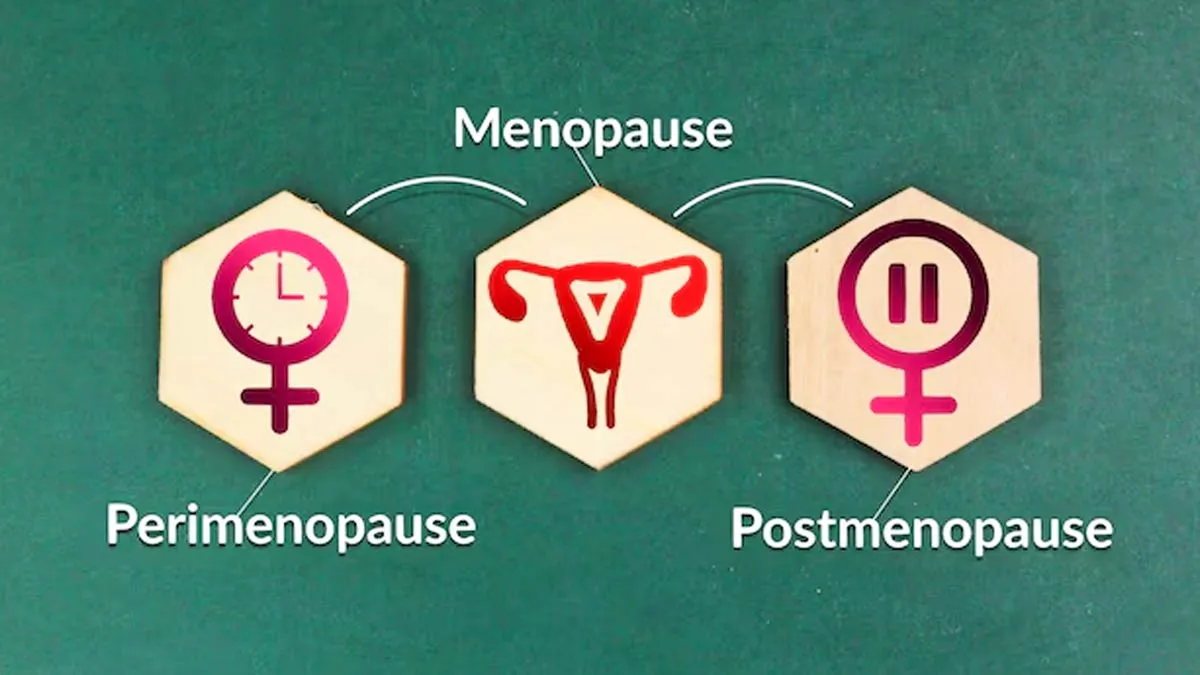 perimenopause age 1
The study added that while some women can experience early symptoms around age 35, the general public's perception of the onset age is significantly younger than the actual average. Interestingly, the survey also discovered a link with the respondents' own age; younger people tended to guess a younger onset age, while older respondents guessed an older age. This discrepancy sheds light on a general lack of accurate education and understanding regarding the true timeline of the perimenopausal transition. The findings suggest a strong need for better healthcare communication and resources to help women understand when they might actually get their perimenopause.
 perimenopause age 2
What Are The Earliest Signs of Perimenopause?
Dr Jain says that the first indication is often a change in menstrual cycles. The expert shares that periods may become irregular, lighter, heavier, or more widely spaced; while other common symptoms include:
- Hot flashes and night sweats
- Mood swings and irritability
- Anxiety
- Poor sleep
- Brain fog and forgetfulness
- Fatigue
- Reduced libido
- Vaginal dryness
- Joint aches
- Weight gain, particularly around the abdomen
“Not every woman experiences all these symptoms, and their severity varies considerably,” she adds.
So what causes perimenopause? Dr Jain answers, “As the ovaries produce less oestrogen and progesterone, ovulation becomes irregular. These hormonal fluctuations affect not only the reproductive system but also the brain, bones, heart, skin, urinary tract, and metabolism.”
 perimenopause age 3
Can Lifestyle Changes Help Manage Perimenopause?
Dr Jain says that lifestyle changes can definitely help manage perimenopause. The expert explains, “Regular exercise, strength training, a balanced diet rich in calcium and protein, stress management, adequate sleep, and avoiding smoking can significantly reduce symptoms and improve overall wellbeing. Maintaining a healthy weight also lowers the risk of diabetes, osteoporosis, and cardiovascular disease, which become more common after menopause.”
When should you consult a gynaecologist? Answering this, the expert says, “Seek medical advice if symptoms interfere with your daily life, periods become excessively heavy or prolonged, bleeding occurs after menopause, or you experience severe hot flashes, sleep disturbances, or mood changes.”
“Your doctor may recommend blood tests when appropriate, evaluate other medical conditions that mimic menopause, and discuss treatment options ranging from lifestyle modifications to Menopausal Hormone Therapy (MHT) for suitable candidates,” adds Dr Jain.
ALSO READ- What is Perimenopause Rage? Gynaecologist Shares Tips To Cope With It
Conclusion
Perimenopause is not an illness, it is a natural transition before menopuase, marked by changes in your menstrual cycle. Recognising its early signs and seeking timely medical guidance can make this phase healthier, more comfortable, and far less overwhelming. While perimenopause usually starts around 40 to 45 years of age, it may also start earlier (from 37 years onwards), depending on factors such as genetic history, lifestyle, or medical issues.
FAQ
Can a 35 year old have perimenopause?
Yes, a 35-year-old can experience early perimenopause.What is the oldest age a woman can still have her period?
Most women stop having their period naturally between ages 45 and 55, with the average age being 51. However, natural menstruation can occasionally continue into the late 50s (known as late-onset menopause).
All possible measures have been taken to ensure accuracy, reliability, timeliness and authenticity of the information; however Onlymyhealth.com does not take any liability for the same. Using any information provided by the website is solely at the viewers’ discretion. In case of any medical exigencies/ persistent health issues, we advise you to seek a qualified medical practitioner before putting to use any advice/tips given by our team or any third party in form of answers/comments on the above mentioned website.
How we keep this article up to date:
We work with experts and keep a close eye on the latest in health and wellness. Whenever there is a new research or helpful information, we update our articles with accurate and useful advice.
-
Current Version
Aug 20, 2026 18:47 IST
Published By : Shruti Das
Reviewed By : Dr Lavanya Kiran