
Many women experience delayed periods. In fact, it is extremely common. There are different factors that cause a delay in periods, such as hormonal imbalances, thyroid, weight fluctuations, or Polyendocrine Metabolic Ovarian Syndrome (PMOS). Stress is also believed to be one of the contributing factors. So can stress actually delay periods? This article will explain it to you.
To understand this better, we reached out to our expert, Dr Sadhna Singhal Vishnoi, Associate Director, Department of Paediatrics and Neonatology at Cloudnine Group of Hospitals, Punjabi Bagh, New Delhi.
Can Stress Delay Your Periods?
Dr Vishnoi says that stress is a normal part of life. “However, excessive levels of stress, be it physical or mental, can be extremely harmful for your health. One of the effects of stress is a spike in cortisol, also known as the ‘stress hormone’,” she adds.
So can stress delay periods? Answering this, the expert explains, “Yes, it can. Extreme physical, emotional, or nutritional stress can activate a chain reaction in your body. It begins by changes in the brain activity and activity in the brain endocrine glands; then it passes through the suprarenal gland where stress hormones, such as cortisol and adrenaline, are released into the blood. This causes the disruption of hormonal balance of the reproductive organs, which may lead to delayed periods.”
“An occasional late period may not be a cause of concern, but repeated or prolonged irregular cycles can be caused by any underlying medical condition which may need medical attention,” warns Dr Vishnoi.
A 2004 study, published in the journal Women's Health Issues, states that many women wonder whether high levels of stress can delay their periods or drastically change their menstrual cycles. The research attempted to answer this by examining how psychological stress impacts the menstrual patterns of women who are approaching menopause.
Earlier studies on this topic have been highly mixed, with some showing that stress makes cycles longer, others depict how it makes them shorter; while some findings discovered no link at all. This particular study asked over two hundred participants to record their bleeding patterns and track major stressful life events.
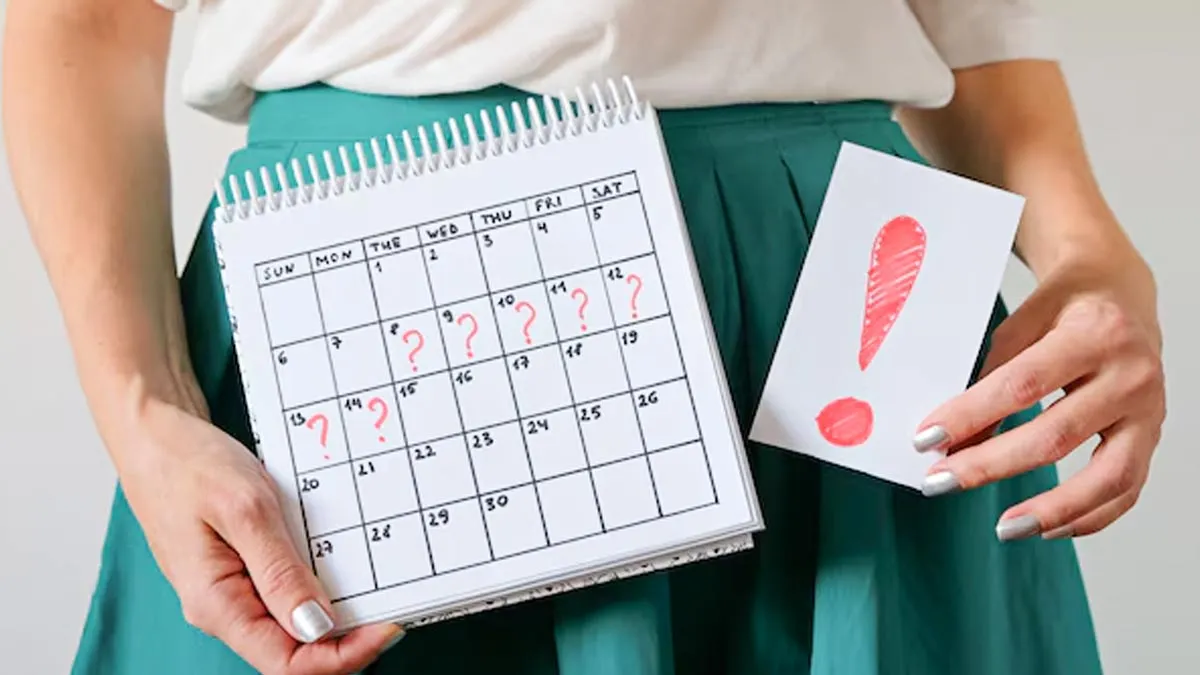 stress period 1
When looking at just a single year of data, the study found no link between a woman's stress level and the length or timing of her period. This means that normal, everyday stressors did not delay or disrupt the menstrual cycle of the participants.
However, the results completely shifted when the study examined the women's stress levels over a longer, two-year period. They found out that women who experienced a severe, marked spike in long-term stress actually witnessed their menstrual cycles get slightly shorter. Ultimately, the research suggests that while chronic stress definitely affects the reproductive system with time, it actually shortened the time between periods rather than causing a delay.
 stress period 2
How Stress Affects Your Menstrual Cycles
Dr Vishnoi says that stress impacts your menstrual cycle by affecting your hormonal balance that regulates it. Shedding more light on this, the expert says, “The hypothalamus is a part of the brain that controls your menstrual cycle. It is sensitive to stress. When stress levels increase, your body releases cortisol. This disrupts the production of reproductive hormones such as oestrogen and progesterone.” She add that this hormonal imbalance can cause:
- Irregular Cycles: Stress can delay ovulation or stop it altogether. This causes missed or irregular periods.
- Heavier or Lighter Flow: High-stress levels can lead to heavier bleeding due to increased uterine contractions, or lighter periods or spotting.
- Increased Period Pain: Stress causes a spike in inflammation and muscle tension, which can make period cramps more intense.
- Missed Periods: Severe stress can put your body on ‘survival mode’, causing missed periods.
 stress period 3
Tips To Prevent Delayed Periods Caused By Stress
Dr Vishnoi says that if you suspect that stress is the cause of your delayed period, make the following lifestyle changes:
- Firstly, identify the possible causes of your stress. Track your moods, changes in diet, new medication, or any big life events. This can help identify what some of your stressors are.
- Keep a journal to monitor your stress levels and its cause.
- Talk to a therapist.
- Engage in meditation, yoga, and exercises.
- You can also opt for cognitive behavioral therapy (CBT), if recommended by your doctor.
- Eliminate unhealthy stressors in your life. If this is not possible, learn and adopt coping strategies that may help.
“While stress (physical, emotional, or nutritional) is a common cause for a delayed period, there are many other potential reasons for a delay in menstruation such as pregnancy, hormonal birth control, and health problems such as polycystic ovary syndrome (PCOS). Therefore, it is important to consult a healthcare professional if delays in periods are frequent,” concludes Dr Vishnoi.
ALSO READ- Early Periods, Early Menopause? A Gynaecologist Explains the Link
Conclusion
While occasional delays in your menstrual cycle due to stress is a normal biological reaction, regular irregularities should not be ignored. You can deal with it by actively managing your daily stressors and consulting a doctor for persistent delays. By doing so, you can also protect both your mental and reproductive well-being.
FAQ
Can stress cause light periods?
Yes, stress can cause light periods by disrupting the hormonal signals between your brain and your ovaries.What does a stress period look like?
A stress-affected period can look like a missed, late, or unusually heavy or light cycle, often accompanied by worse cramps and spotting.
All possible measures have been taken to ensure accuracy, reliability, timeliness and authenticity of the information; however Onlymyhealth.com does not take any liability for the same. Using any information provided by the website is solely at the viewers’ discretion. In case of any medical exigencies/ persistent health issues, we advise you to seek a qualified medical practitioner before putting to use any advice/tips given by our team or any third party in form of answers/comments on the above mentioned website.

How we keep this article up to date:
We work with experts and keep a close eye on the latest in health and wellness. Whenever there is a new research or helpful information, we update our articles with accurate and useful advice.
-
Current Version
Sep 24, 2026 18:51 IST
Published By : Shruti Das
Reviewed By : Dr Sadhna Singhal Vishnoi