
You must have heard about cervical cancer? It is a cancer that begins on the surface of your cervix. Human Papillomavirus (HPV) infection causes almost all cases of cervical cancer. Cervical cancer is the fourth most common cancer in women globally. This is the main reason why we need more awareness about it. One common query related to HPV is whether there is any ideal age for women to get the HPV vaccine. Today, we will answer this for you.
To understand this better, we reached out to a top gynaecologist, Dr Lavanya Kiran, Director and Lead Consultant, Obstetrics, Gynaecology, KIMS Hospitals, Electronic City, Bengaluru.
When Is The Right Time to Take the HPV Vaccine?
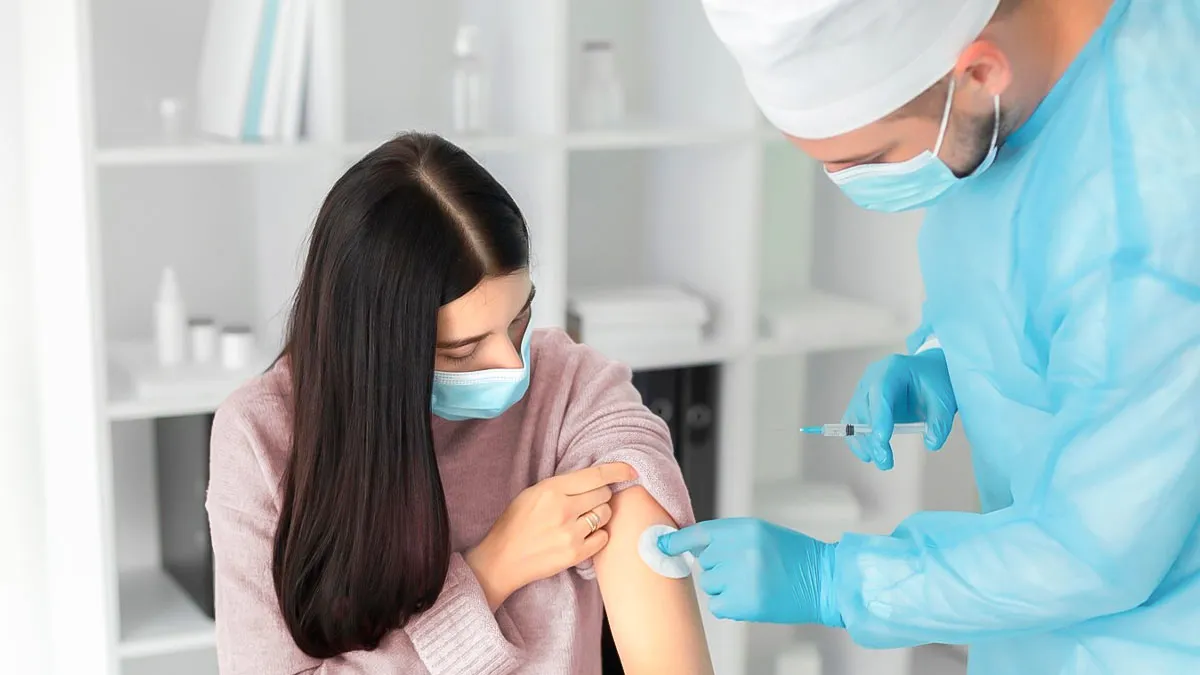
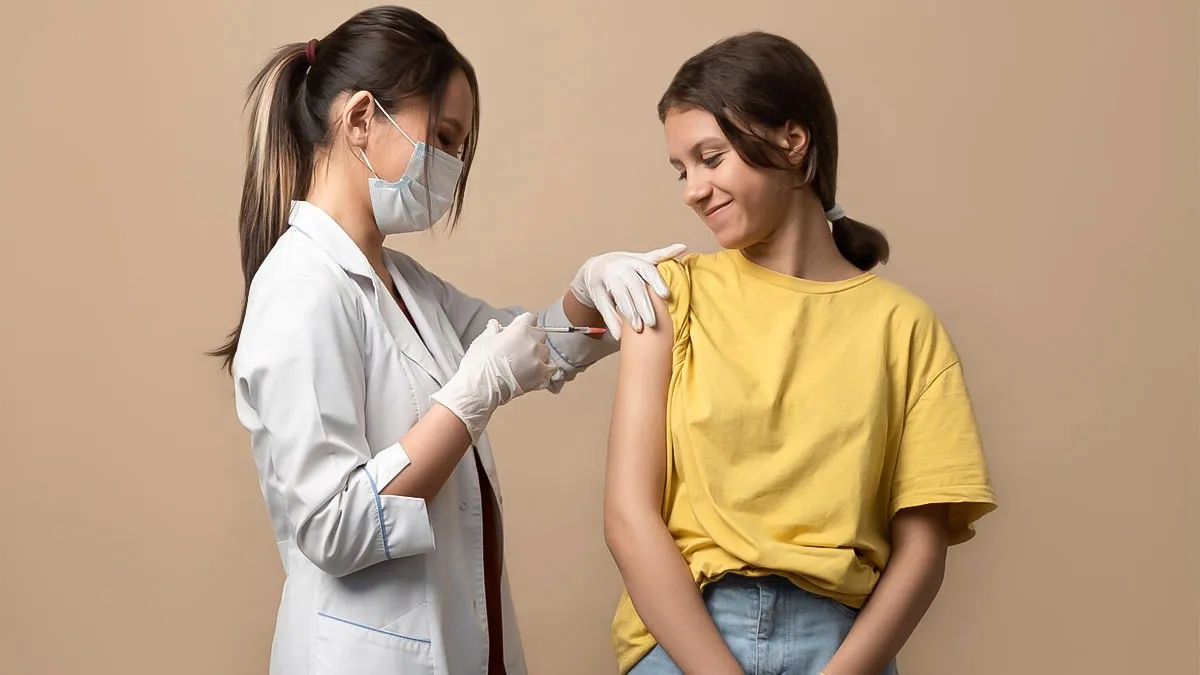
Let us straightaway get to the main point: is there any ideal age for women to get the HPV vaccine? Answering this, Dr Kiran says, “The ideal age is said to be between 9 and 14 years of age. Any time after age 9 is good for getting vaccinated. Vaccinating during this period protects before a person is likely to be exposed to HPV.”
The expert adds, “Do not wait for any sexual activity. You shouldn’t. The vaccine works best when the vaccination happens before the exposure. However, it is important to note that vaccination has nothing to do with sexual activity.” On this note, Dr Kiran shares some important factors related to age for getting HPV vaccination:
- Teenagers and younger adults can still benefit from getting vaccinated, provided that they get it by the age of 26, in case they have missed it previously.
- An individual who has delayed vaccination until 15 years of age will need three doses, delivered in 0, 1 – 2 and 6 months.
- For women aged 27–45 years, HPV vaccination is not routinely recommended for everyone in this age group. However, it may be considered on an individual basis after discussing the potential benefits with a gynaecologist. The benefits may be more limited compared with vaccination at a younger age, as many women may have already been exposed to HPV.
- It is not essential to wait for a specific day in the menstrual cycle, as the vaccine can generally be given at any time in a woman’s cycle.
- HPV vaccination is usually postponed while pregnant and is only resumed after delivery. Routine pregnancy testing isn’t necessary.
- Keep in mind the importance of screening. After vaccination, women are still advised to have regular cervical cancer screening done according to their age, as the vaccine is protective only against some HPV types involved with cancer.
 hpv vaccine right time 1
Why HPV Vaccine Is Important For Women
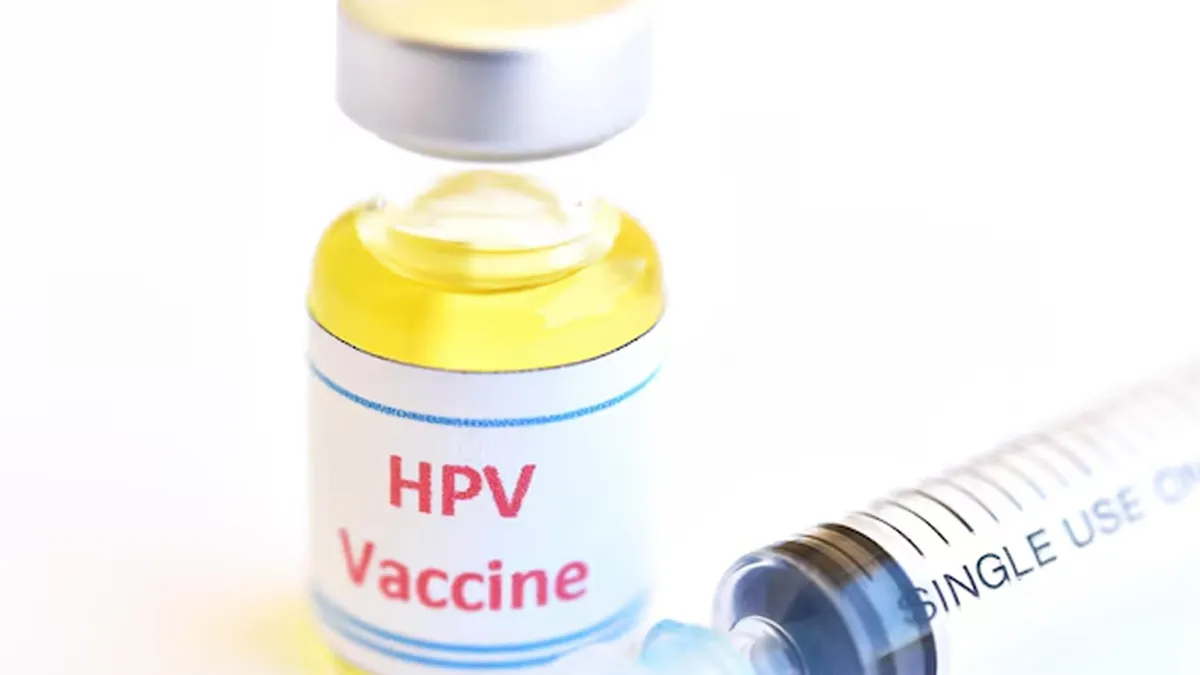
According to the Cleveland Clinic, the HPV vaccine prevents HPV infections that can progress to cancer or genital warts. But one important point to note is that the vaccine prevents infections, but it cannot treat them. If someone is already exposed to a particular strain of HPV, the vaccine cannot cure the infection.
The HPV vaccine can protect women from strains that they have not encountered, be it high-risk types and low-risk types. High-risk HPV strains can cause cancer. Low-risk types do not increase your cancer risk, but they can cause conditions such as genital warts. Therefore, HPV vaccine prevents infections that can cause:
- Cervical cancer.
- Vaginal cancer.
- Vulvar cancer.
- Penile cancer.
- Anal cancer.
- Cancer of the back of the throat (oropharyngeal cancer).
- Genital warts.
 hpv vaccine right time 2
Can HPV Be Treated?
According to the World Health Organization (WHO), there is currently no treatment for HPV infection. Treatments are available for genital warts, cervical precancers and cervical cancer.
Non-cancerous genital warts and precancerous lesions in the cervix, vagina, vulva, anus or penis can be removed or treated with the help of ablation (freezing or heating) or with surgery. Cancer of the cervix (cervical cancer) is currently the only HPV-caused cancer; screening tests are available for this.
 hpv vaccine right time 3
Cancers caused by HPV (including cervical cancer) can be treated more effectively, given they are diagnosed early. Treatment should start right after diagnosis. A multidisciplinary team should make sure that diagnosis and staging (histological testing, pathology, imaging) takes place prior to treatment decisions which could consist of surgery, radiotherapy and systemic therapy such as chemotherapy.
ALSO READ- Everyday Habits That May Increase Women’s Risk of Gynaecological Cancers
Conclusion
The most effective time to receive the HPV vaccine is between the ages of 9 and 14. This is because it ensures maximum protection before any potential exposure to the virus. While the vaccine cannot cure an existing infection, it can act as a powerful preventive shield against high-risk strains that can cause cervical and other forms of severe cancers. To conclude, combining timely vaccination with regular health screenings is the most important step to safeguard your long-term reproductive health and overall well-being.
FAQ
Can you get the HPV vaccine at 35?
Yes, you can get the HPV vaccine at age 35, but health officials do not routinely recommend it for everyone in this age group.Is the HPV vaccine for a lifetime?
Yes, current medical evidence indicates that the HPV vaccine provides long-lasting protection, and scientists fully expect it to last for a lifetime.
All possible measures have been taken to ensure accuracy, reliability, timeliness and authenticity of the information; however Onlymyhealth.com does not take any liability for the same. Using any information provided by the website is solely at the viewers’ discretion. In case of any medical exigencies/ persistent health issues, we advise you to seek a qualified medical practitioner before putting to use any advice/tips given by our team or any third party in form of answers/comments on the above mentioned website.

How we keep this article up to date:
We work with experts and keep a close eye on the latest in health and wellness. Whenever there is a new research or helpful information, we update our articles with accurate and useful advice.
-
Current Version
Sep 24, 2026 17:59 IST
Published By : Shruti Das
Reviewed By : Dr Lavanya Kiran