
Gynecological cancers refers to a group cancer that starts in a woman's reproductive organs, involving five main types; the cervix, uterus, ovary, vulva, and vagina, and are normally classified within the context of genetics or the age group. However, according to experts, there are common routines and habits women tend to ignore that place them at risk without even noticing it.
These types of cancer are usually preventable by taking appropriate and simple measures, hence, knowing and learning the factors associated with increased risk gets important. So, the editorial team of Onlymyhealth reached out to two esteemed gynaecologists to understand the issue better. Read ahead to know everything they shared with us.
Many women overlook symptoms, and allow minor problems to become life-threatening conditions. According to Dr Rubina Shanawaz, Senior Consultant, Uro-Gynaecology, Gynec-Oncology, Laparoscopic & Robotic Gynaecology, Fortis Hospital, Cunningham Road, Bengaluru, poor menstrual hygiene practices, neglecting symptoms such as irregular bleeding or pelvic pain, and procrastinating on visiting a female physician for a check-up are common problems.
ALSO READ- Malignancies Affecting Women Early In Their Life, Expert Weighs In
 abdominal-pain
Ignoring Gynaecological Symptoms Is Not Harmless
“Late diagnosis is also a result of overlooking symptoms when they are regarded as normal experiences. “Irregular periods, bleeding after menopause, vaginal discharge, and pelvic pain are ignored because of a busy lifestyle or because of social awkwardness. These symptoms can be precipitation of cervical, uterine, and ovarian cancer,” Dr Shanawaz explained.
In addition, Dr Niti Raizada, Principal Director, Medical Oncology & Hemato-Oncology, Fortis Hospitals, Bengaluru, reported, “Many women with suspected cancers come into the hospital only when the symptoms become severe, so awareness about warning signs is necessary. Warning signs such as unexplained weight changes, abdominal distension, pelvic pain, irregular bleeding, or changes in bowels/bladder habits should never be ignored.”
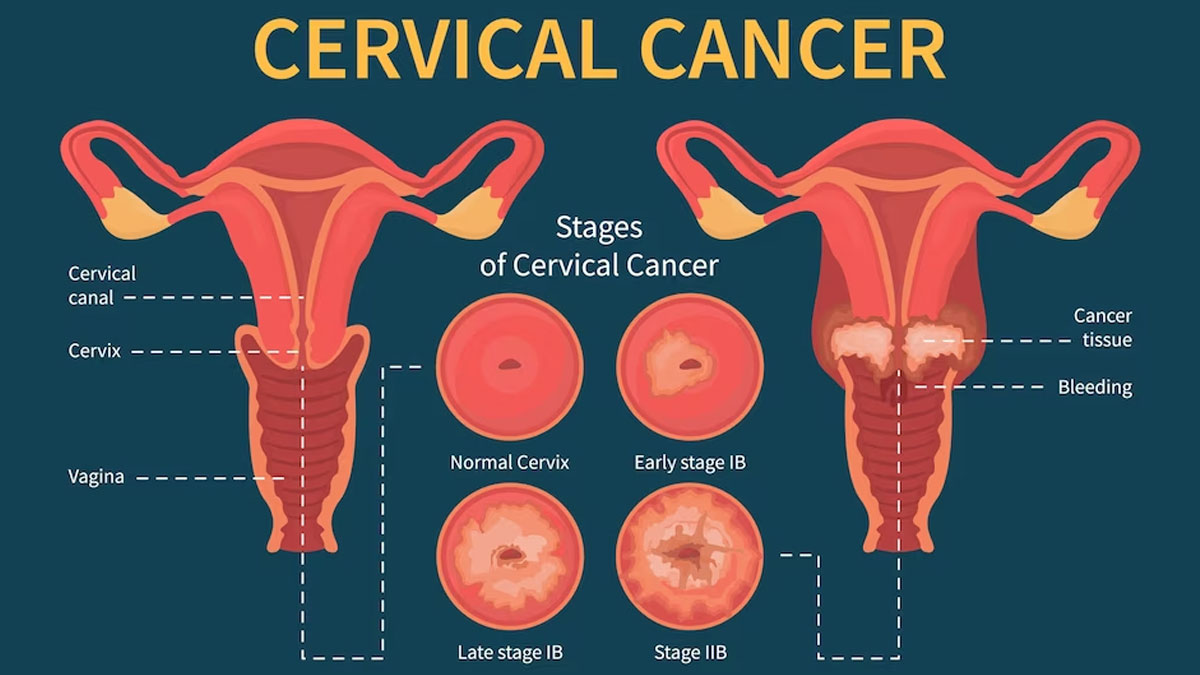 cervical-cancer
Lifestyle Habits That Raise Cancer Risk
Modern lifestyles are increasingly contributing to the risk factors associated with gynaecological cancers. Sedentary lifestyles, improper eating habits, obese individuals, and stress are known to cause an imbalanced secretion of hormones, and the latter plays a significant role in causing cancers in the uterus and the ovaries. Being obese leads to the excess production of oestrogen, posing a significant risk factor for cancers in those cases that are not medicinally supervised.
As mentioned by Dr Raizada, lifestyle conditions such as smoking, drinking excess alcohol, a sedentary lifestyle, or eating unhealthy foods are also influential, as it contributes to inflammation in the body, making it ideal for the development of cancer.
Use of any form of tobacco constitutes another critical risk factor for cervical and ovarian cancer due to the immuno-suppressive effects it has on the body and the heightened susceptibility to abnormal cellular changes.
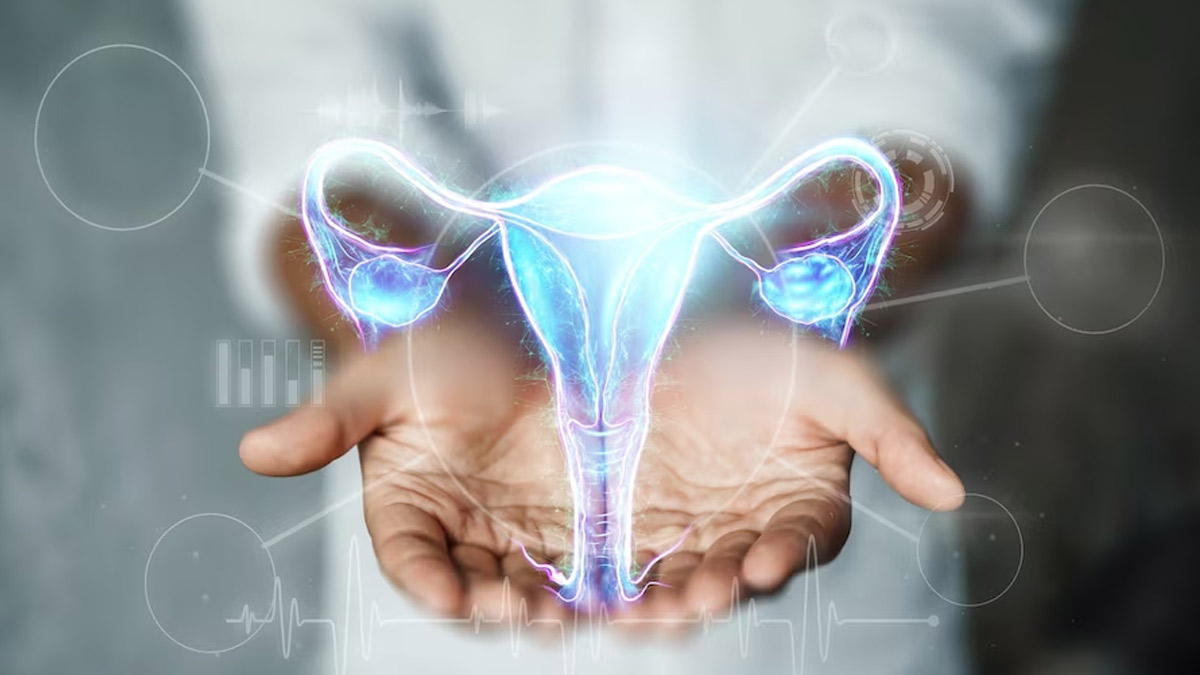 uterine-cancer
Sexual Health and HPV Awareness
Neglecting preventive sexual behaviours is another serious problem. One of the most Sexually Transmitted Diseases (STDs) leading to cervical cancer is the Human Papillomavirus (HPV). This virus is mainly transmitted by sexual activity. Inadequate information and irregular use of preventive methods for HPV vaccinations are serious risk factors. Dr Shanawaz highlighted that pap smears and HPV tests could identify early cellular alterations even prior to cancer formation.
Delayed Life Decisions and Family History
Dr Raizada further explained, “Delayed childbearing and exposure to oestrogen for a longer period of time without monitoring by a physician may also increase this risk." In fact, ignoring genetic factors may be one reason why screening for at-risk women is often postponed.
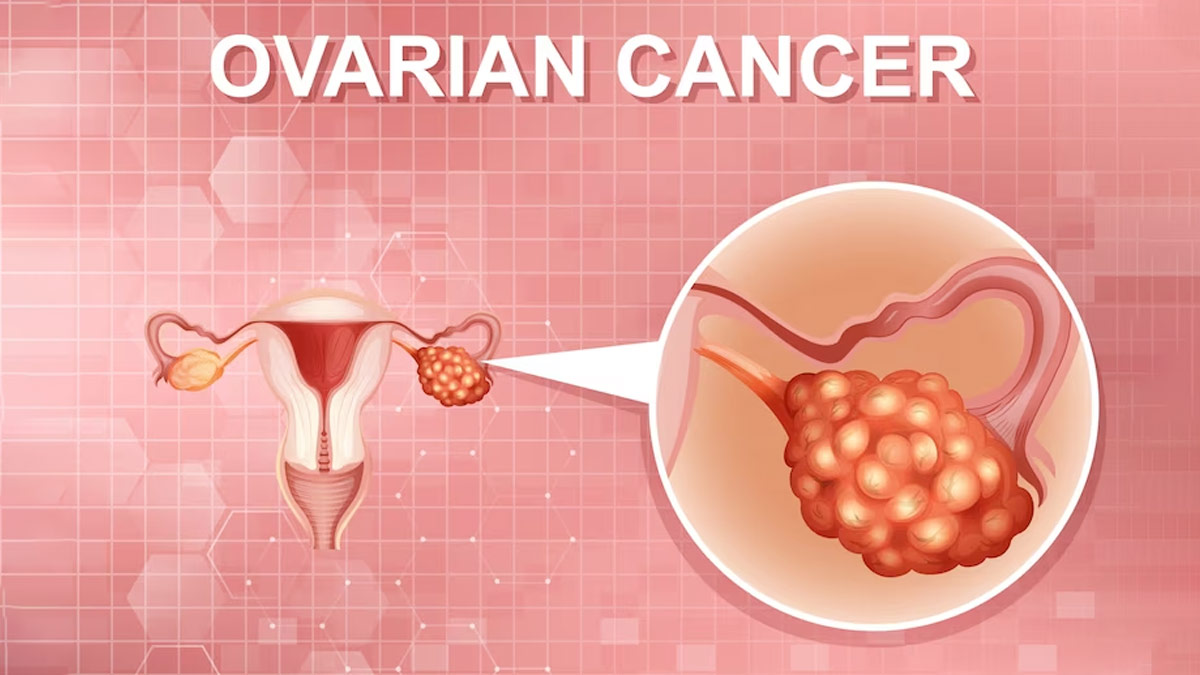 ovarian-cancer
Expert-approved Prevention Tips To Reduce Gynecological Cancer Risk
The positive side of this issue is that certain gynaecologic cancers could be prevented or could be easily treated if found early. Methods such as periodic check-ups, menstrual hygiene, healthy dietary habits, exercise, and managing stress could be effective in preventing gynaecologic cancers.
As Dr Shanawaz highlighted, “Simple and effective ways of preventing cancers are early consultation, Pap smear tests, HPV vaccination, balanced diet, physical activities, and personal and environmental cleanliness.”
Bottomline
Many everyday habits from ignoring symptoms to unhealthy lifestyle choices, can silently increase a woman’s risk of gynaecological cancers. However, experts believe that early awareness and preventive care can save lives.
FAQ
1. Is irregular menstruation a symptom of gynaecological cancer?
Yes, irregular periods eventually, especially with pain and bleeding, do require a visit to the doctor.2. Does obesity increase cancer risk?
Yes, obesity leads to imbalances and inflammations of the hormones; therefore, the possibilities of developing cancer of the uterus and ovaries are heightened.3. How often should women get screened for gynaecological cancer?
The Pap smear test should be done every 3 years, or as advised by the gynaecologist depending on the age of the woman.
All possible measures have been taken to ensure accuracy, reliability, timeliness and authenticity of the information; however Onlymyhealth.com does not take any liability for the same. Using any information provided by the website is solely at the viewers’ discretion. In case of any medical exigencies/ persistent health issues, we advise you to seek a qualified medical practitioner before putting to use any advice/tips given by our team or any third party in form of answers/comments on the above mentioned website.

How we keep this article up to date:
We work with experts and keep a close eye on the latest in health and wellness. Whenever there is a new research or helpful information, we update our articles with accurate and useful advice.
-
Current Version
Dec 17, 2025 14:52 IST
Modified By : Tanya Srivastava Dec 17, 2025 14:52 IST
Modified By : Tanya SrivastavaDec 17, 2025 14:52 IST
Published By : Tanya Srivastava
Reviewed By : Dr Niti Raizada