
Are you snapping at your family over small things, feeling unusually irritable, or becoming angry for reasons you can't explain? If you're in your 40s, these emotional changes may be linked to perimenopause rather than simply stress or personality changes. This even has a term: perimenopause rage. This rage refers to intense feelings of anger or irritability that women may experience as they transition into menopause. This article will explain more about it.
To understand this better, we reached out to Dr Manjeet Arora, Senior Director, Obstetrics and Gynaecology, Cloudnine Group of Hospitals, Kailash Colony, New Delhi.
Perimenopause Rage: What Causes Intense Anger
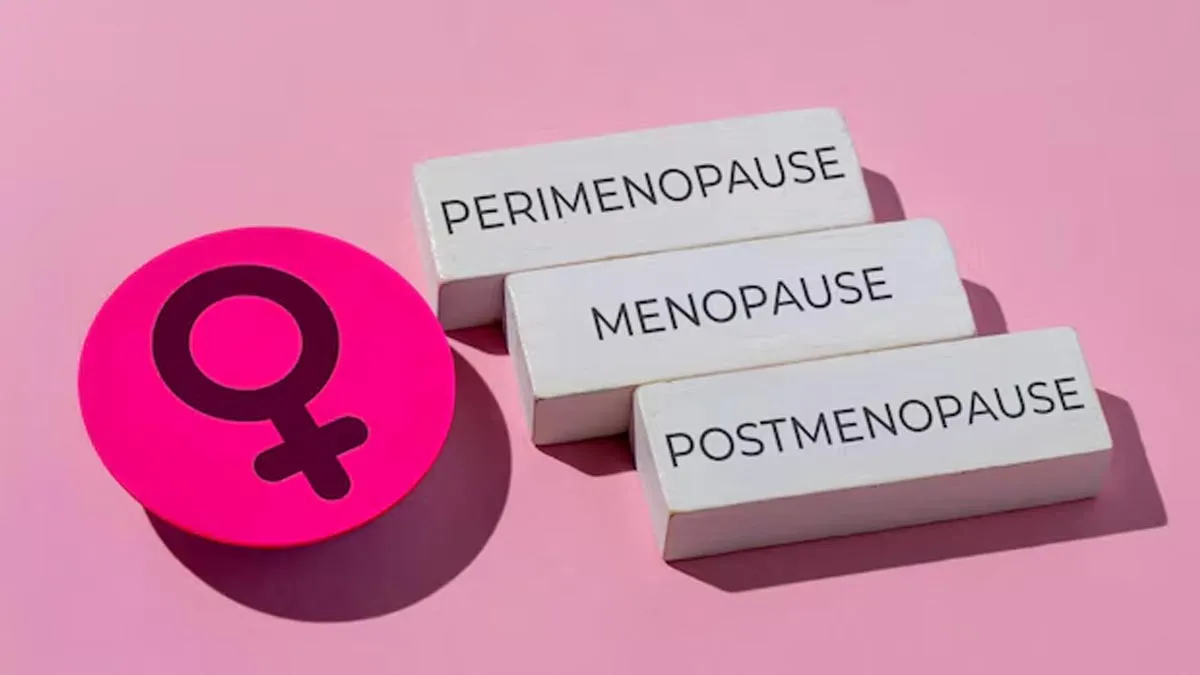
Let us begin by understanding what perimenopause rage actually is. Dr Arora says that perimenopause is the transitional phase before menopause, when oestrogen and progesterone levels fluctuate unpredictably. The expert explains, “These hormonal shifts affect neurotransmitters such as serotonin and dopamine, which regulate mood, emotional stability, and stress responses. As a result, many women experience episodes of irritability, frustration, mood swings, anxiety, and what is commonly referred to as ‘perimenopause rage’.”
Dr Arora continues, “These emotions are real and have a biological basis. Hormones, however, are only part of the picture. Sleep deprivation caused by night sweats, work-related pressures, caregiving responsibilities, relationship challenges, and the mental load of managing family life often amplify emotional reactions. Many women also report feeling guilty after emotional outbursts, creating a cycle of stress and self-blame. Recognising the trigger is the first step towards managing it.”
 perimenopause rage 1
What Study Says About Perimenopause Rage
A 2025 study, published in The Journal of The Menopause Society, explores how a woman's age and certain stages of her menopausal transition affects her feelings of anger, often termed in popular culture as ‘perimenopause rage’. The study followed over 500 women between the ages of 35 and 55, tracking their emotional health and menstrual cycles over several years. The findings discovered that simply ageing brings complex changes to how women experience and handle intense emotions.
The study noted that as women grew older chronologically, their internal feelings of general anger increased. However, their outward expressions of aggressive, reactive anger actually went down. This decline suggests that women develop much better emotional regulation and self-control in their midlife.
When researchers separated the impact of natural ageing from the physical stages of reproductive ageing, they made a surprising discovery related to perimenopause rage. The findings noted that rather than spiking during the menopausal transition, women's core feelings of anger significantly decreased after their late reproductive years. To conclude, these findings contradict the popular fear of uncontrollable perimenopausal rage. In fact, it shows that progressing through perimenopause is actually linked with a decline in anger.
 perimenopause rage 2
Tips To Deal With Perimenopause Rage
While this transitory phase is indeed challenging, it can be managed effectively. Dr Arora shares some tips to deal with perimenopause rage:
- Prioritise sleep
- Exercise regularly
- Practice mindfulness
- Reducing caffeine and alcohol intake can help stabilise mood
- Regular physical activity increases endorphins and improves emotional resilience.
- Open communication with family members is equally important. Explaining that mood changes may be linked to hormonal transitions often helps loved ones understand and offer better support.
 perimenopause rage 3
When To Seek Professional Help
While lifestyle changes to cope with these changes are welcome, you must know when to seek medical help. “If symptoms become severe, interfere with relationships or work, or are accompanied by persistent sadness or anxiety, professional help should be sought. Your doctor may recommend counselling, cognitive behavioural therapy, menopausal hormone therapy (MHT) for appropriate candidates, or medications if depression or anxiety is diagnosed,” advises Dr Arora.
The expert adds, “Perimenopause is a natural life stage, not a character flaw. Women should not feel embarrassed about seeking help for emotional symptoms just as they would for hot flashes or irregular periods.”
“With the right support, healthy lifestyle changes, and appropriate medical care, emotional wellbeing can improve significantly. Understanding that these feelings have a hormonal basis often brings reassurance and empowers women to navigate this transition with greater confidence and compassion for themselves,” concludes Dr Arora.
ALSO READ- 7 Reasons for Irregular Periods in Your Late 30s: Why It Could Be Perimenopause
Conclusion
Perimenopause rage is a very real emotional challenge, caused by hormonal fluctuations and often increased by the daily stressors of midlife. You can successfully manage these intense mood swings by following a healthy lifestyle such as prioritising restful sleep, engaging in regular exercise, and practicing daily mindfulness. Open communication with family members is also crucial. Moreover, always remember that this transition is a natural phase of life. You should never hesitate to seek professional medical guidance if these emotional symptoms start to disrupt your life and well-being.
FAQ
What are the symptoms of perimenopause?
Perimenopause symptoms include irregular periods, hot flashes, and mood changes.How long does perimenopause rage last?
Perimenopause rage typically lasts 4 to 8 years overall.
All possible measures have been taken to ensure accuracy, reliability, timeliness and authenticity of the information; however Onlymyhealth.com does not take any liability for the same. Using any information provided by the website is solely at the viewers’ discretion. In case of any medical exigencies/ persistent health issues, we advise you to seek a qualified medical practitioner before putting to use any advice/tips given by our team or any third party in form of answers/comments on the above mentioned website.
How we keep this article up to date:
We work with experts and keep a close eye on the latest in health and wellness. Whenever there is a new research or helpful information, we update our articles with accurate and useful advice.
-
Current Version
Aug 03, 2026 16:12 IST
Published By : Shruti Das
Reviewed By : Dr Manjeet Arora