Aloe Vera Gel Vs Moisturiser: Which Works Better For Indian Dry Skin In Winters?

When the weather cools down, dryness and flaky skin are a common issue. Aloe Vera gel is used by many people for its cooling and hydrating effects, while others opt for a moisturiser to maintain soft skin. Both products have a benefit, but they do so in different ways. Aloe vera gel can offer some hydration and may help to calm irritated skin.
A moisturiser, however, will help lock in moisture and maintain the integrity of the skin barrier. So, during winter which one should you choose? The answer depends on how dry your skin is and what it needs.
Aloe Vera Gel Vs Moisturiser: What Is The Difference?
Dr Karuna Malhotra, Cosmetologist, Skin Specialist and Founder, Advanced Skin Clinic, New Delhi says, “For truly dry skin, a moisturiser works better. Aloe vera gel adds water and soothes, but it does not lock that water in. Aloe is a helpful first layer or a light option for oily skin, not a complete winter fix.”
Feature |
Aloe Vera Gel |
Moisturiser |
Main purpose |
Provides light hydration and soothes skin |
Hydrates skin and prevents moisture loss |
Texture |
Lightweight, water-based |
Lotion, cream or ointment |
Hydration |
Mostly temporary |
Longer-lasting, depending on formulation |
Skin barrier |
Limited barrier protection |
Helps support and protect the skin barrier |
Best suited for |
Oily, acne-prone or mildly irritated skin |
Dry, flaky and dehydrated skin |
Key ingredients |
Aloe vera, polysaccharides |
Glycerin, ceramides, hyaluronic acid, shea butter |
Winter use |
Works as an additional hydrating layer |
Better for managing winter dryness |
Main limitation |
Does not effectively seal in moisture |
Some thick formulations may feel greasy |
Why Can Aloe Vera Gel Alone Leave Skin Dry In Winter?
Dr Malhotra says, “Aloe vera gel will immediately hydrate the skin, but this effect will not be sustained if the skin is already dry. In winter, the skin requires something that will help keep moisture from escaping.”

A 2023 review published in Skin Pharmacology and Physiology, explains how moisturisers support the skin barrier. The researchers explained the different mechanisms of humectants, emollients and occlusives in enhancing moisture in the skin and decreasing transepidermal water loss (TEWL) in the skin.
ALSO READ- Can You Apply Aloe Vera Gel On Your Face Every Day? What To Know
What Does Aloe Vera Gel Do Well?
Dr Malhotra says, “Aloe vera is useful when the skin needs a light, soothing layer. It can help with temporary discomfort and mild irritation. However, people should not mistake its cooling effect for long-lasting moisturisation.”
The gel of aloe vera can have a variety of benefits:
- Contains light hydration: It contains water and polysaccharides, which help to hydrate the skin.
- Helps calm mild irritation and redness: It may help to soothe mild irritation and redness.
- Lightweight formula: This light texture may be ideal for those who are not fond of heavy skin care.
What Does A Moisturiser Do Better?
“A moisturiser is more effective in winter dryness as it has a more profound effect going beyond surface hydration, helping to soften rough skin, support the skin barrier and minimise moisture loss,” Dr Malhotra explained.
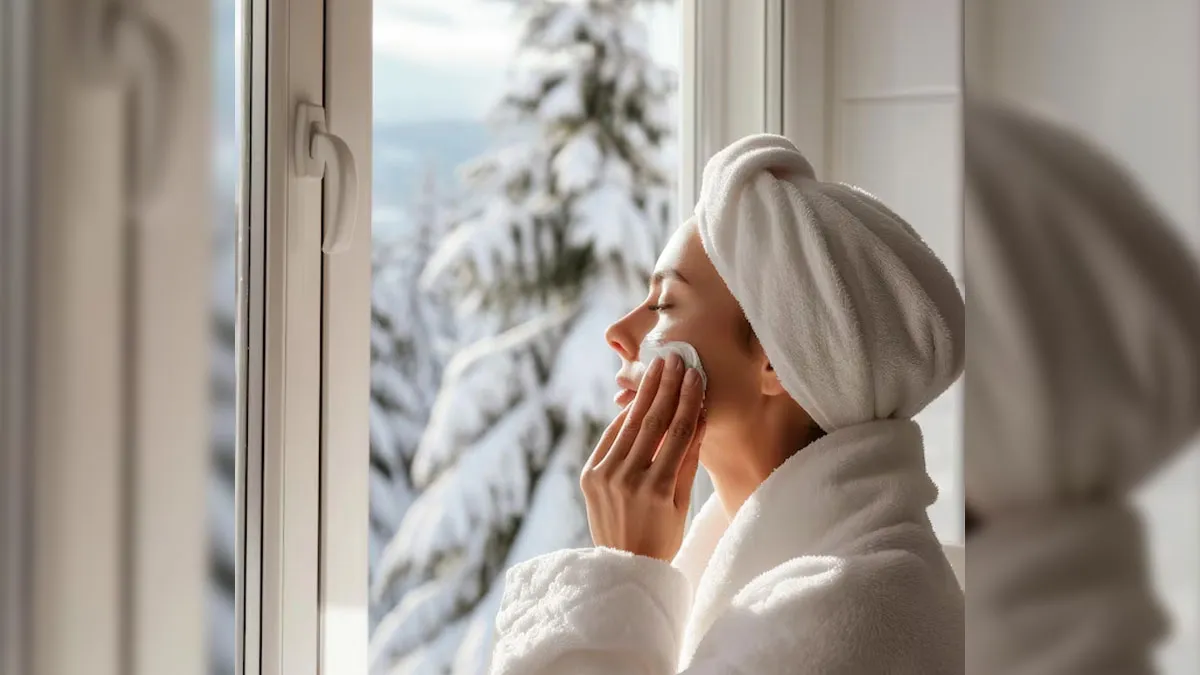
A moisturiser can include ingredients to combat various types of dryness, whereas an ordinary aloe gel cannot. The following ingredients are helpful:
- Ceramides: Rebuilds the skin's barrier.
- Glycerin: Binds and binds water to the upper layers of the skin.
- Proteolytic enzymes: Assist in the breakdown of dead cells.
- Urea: Moisturizers rough and dry skin.
- Heptane: Clears away impurities.
- Petroleum jelly: Also creates a barrier to too much water loss.
Aloe Vera Gel Vs Moisturiser: Which One Suits Your Skin Type?
The choice should depend on your skin type, says Dr Malhotra: “An oily skin type might prefer a lighter gel formula, whereas a dry skin type in winter or one that flakes might prefer a moisturiser with a more supportive formula.”
The following strategy will help you decide which to use:
- Extremely dry, flaky or cracked skin: Use a thick moisturiser or ointment. It can be used beneath aloe vera.
- Dry skin: Apply a moisturiser often. Aloe gel can be used if desired.
- Oily or acne-prone skin: A light aloe gel might be preferable. If your skin is tight, use moisturiser which does not contain oils.
- Combination skin: Use light product on the oily skin and light cream on the dry skin.
- Moisturiser for sensitive or eczema prone skin: Use a fragrance free moisturiser. If the irritation is lasting, consult a dermatologist.
- Sun or wind burned skin: Aloe can be temporarily soothing. Use a good moisturiser afterwards.
Can You Apply Aloe Vera Gel And Moisturiser Together?
If both types are beneficial to your skin, don't have to worry about the order; a gel moisturiser will provide a light layer of hydration and a moisturiser will help lock it in.
Follow these steps:
- Cleanse face with a mild face cleanser.
- Gently pat skin until it is slightly damp.
- If the skin can accept it, apply a thin layer of aloe vera gel.
- Apply a moisturiser immediately after.
- Use sunscreen as a last step after the morning skin care routine.
If you have a moisturiser already which is enough oily then you do not have to use aloe vera daily.
When Should You Consult A Dermatologist?
Dr Malhotra adds: “If you experience itching, cracking or inflammation on an ongoing basis, don't ignore it; it could be a sign of an underlying skin condition that should be treated.”
If any of the following occurs, it may be a sign to see a dermatologist:
- Dryness which does not respond to repeated moisturising.
- Deep cracks, bleeding or painful skin.
- Chronic itching, redness and scaling.
- Burning, swelling or a rash after using a skincare product.
ALSO READ- Why Does Skin Feel Tight After Bathing In Winters? A Dermatologist Explains the Skin Barrier
What Is The Final Verdict?
Dr Malhotra concludes, “For people dealing with dry skin during winter, a moisturiser is the better choice. Aloe vera gel can complement the routine, but it should not replace a good moisturiser when the skin needs barrier repair and long-lasting hydration.”
Overall, moisturiser wins when it comes to managing winter dryness. Aloe vera gel is useful for light hydration and soothing, but it may not provide enough protection on its own. If your skin is particularly dry, using aloe vera followed by a suitable moisturiser can be a better approach.
FAQ
1. Can I leave aloe vera gel on my face overnight?
Dr Malhotra says that if it is not an irritant, most people can leave a well made aloe vera gel on their skin overnight but if they have dry skin, they should follow it up with a moisturiser to prevent moisture loss.2. Do I need to use a moisturiser in winter, if my skin is oily?
Yes, Dr Malhotra says, "You can also have dry skin during winter, but opt for a light, non-comedogenic moisturiser rather than go without moisturiser."
All possible measures have been taken to ensure accuracy, reliability, timeliness and authenticity of the information; however Onlymyhealth.com does not take any liability for the same. Using any information provided by the website is solely at the viewers’ discretion. In case of any medical exigencies/ persistent health issues, we advise you to seek a qualified medical practitioner before putting to use any advice/tips given by our team or any third party in form of answers/comments on the above mentioned website.
How we keep this article up to date:
We work with experts and keep a close eye on the latest in health and wellness. Whenever there is a new research or helpful information, we update our articles with accurate and useful advice.
-
Current Version
Nov 22, 2026 12:45 IST
Published By : Vivek Kumar
Reviewed By : Dr Karuna Malhotra