
Aloe vera gel is a popular skin care product, due to its light, cool and soothing texture on the skin. It is often used on a daily basis to help control dry, red or oily skin. Others use it for the purpose of decreasing acne, dark spots and wrinkles.
However, other natural ingredients can actually cause skin irritation, particularly if they contain unwanted chemicals or added fragrance. Pure aloe vera gel can be applied regularly to the majority of skin types, provided it doesn't cause any irritation, but it can't be used instead of moisturiser, sun cream or acne treatment.
What Are The Benefits Of Applying Aloe Vera Gel Daily?
Dr Chandni Jain Gupta, dermatologist at Elantis Healthcare, Lajpat Nagar explains that aloe vera is a soothing ingredient but “not a complete skin care regime”.
Aloe vera gel provides some light hydration and cooling. It is also useful for alleviating mild skin irritation. It might also be suitable for those with oily skin who don't like heavy creams due to the light texture it offers.

However, the evidence has limits. The US National Center for Complementary and Integrative Health (NCCIH) says topical aloe may help with some skin concerns, but research remains limited. A 2021 study published in Frontiers in Medicine found improvements in acne lesions and areas of pigmentation when aloe vera gel was used alongside ultrasound and a soft mask.
However, the study tested a combined treatment, so its results do not prove that aloe gel alone treats acne or pigmentation. Aloe vera may support skincare, but it is not a proven cure for acne, dark spots or ageing.
ALSO READ- Rose Water Vs Aloe Vera Gel: Which Is Better For Your Skin In Winter?
Is Fresh Aloe Vera Gel Better Than Packaged Gel?
According to Dr Gupta, daily safety depends partly on “what kind of aloe you use”.
It might appear more natural to use fresh gel from a plant. The leaf, however, has other chemicals. The inner gel is clear and used in a variety of skin care products, and the latex beneath the leaf skin contains a number of chemicals including aloin which may irritate.

If the leaf is not prepared carefully, there may be a small amount of this yellow sap in the scooped gel. It also has a tendency to go bad if the storage requirements are not met.
Packaged products are sometimes processed for uniformity and may contain preservatives that help to prevent contamination. But there are some that may have fragrance, colour or alcohol which can be a problem on sensitive skin.
If you need to use a packaged gel:
- Look for aloe vera among the first ingredients.
- Choose fragrance and colour free products to avoid potential skin irritation.
- Steer clear of products that sting or tighten the skin.
- Store products as directed and throw away if they change smell, colour or texture.
Can Aloe Vera Gel Cause Side Effects If Used Every Day?
Dr Gupta says aloe is “generally well tolerated”, but occasional reactions can occur.
The NCCIH's aloe vera safety guidance notes reports of burning, itching, rash and eczema after topical use. Daily application may not suit everyone, particularly those with sensitive or allergy-prone skin.
Possible problems include:
- Irritation: After application, it burns, redness or stinging sensation.
- Contact dermatitis: Itchy and scaly rash that can develop following exposure.
- Dryness: If the skin feels tight after using Aloe gel alone, it could be because it is not enough to protect the skin from moisture loss.
- Contamination: If homemade gel is poorly handled and/or stored, it may develop microbial growth.
If you have a rash, swelling or persistent burning, stop using the gel. If you have eczema, rosacea or a known allergy to aloe, consult with a dermatologist before using it on a regular basis.
How Should You Use Aloe Vera Gel On Your Face?
Dr Gupta says to look at how the skin reacts to the product as a guide to whether it's appropriate for everyday use or not.
Test the new product on a small area of the skin first. Please look for any discoloration, itching, bumps or swelling within 24-48 hours. A patch test is a good idea to determine if a reaction will occur at your home but does not ensure that a product will not be a skin irritant.
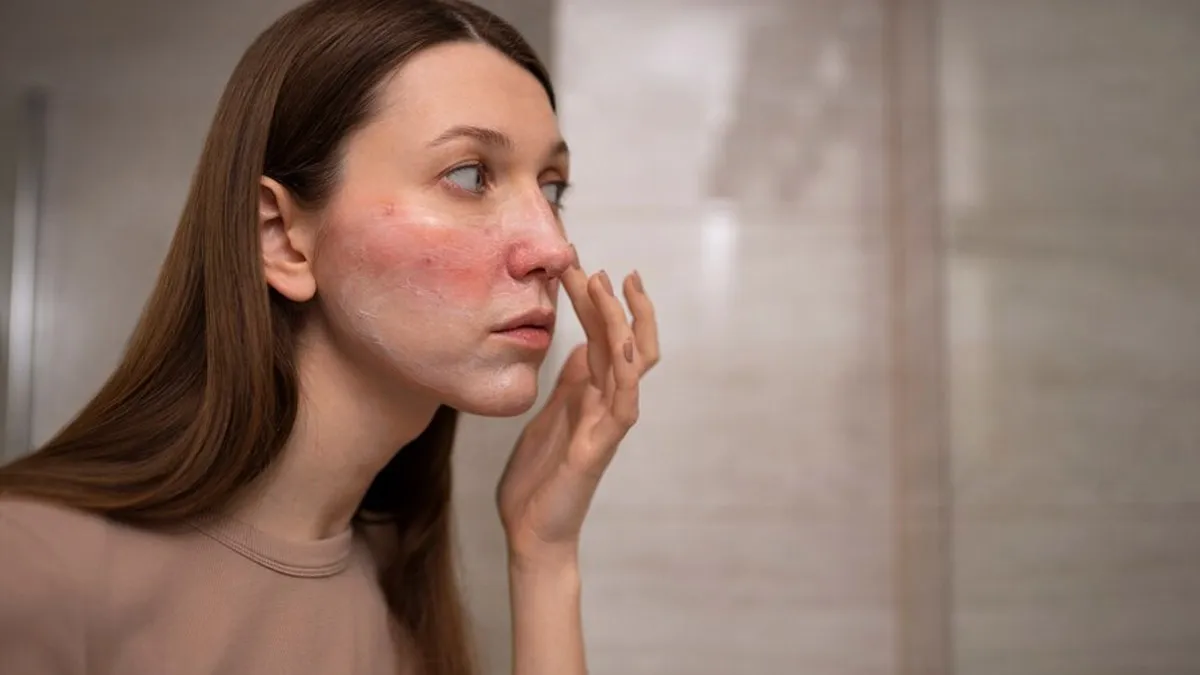
If the gel does not irritate your skin, do this easy routine:
- Morning: Wash and apply a thin coating of aloe gel as needed; apply moisturiser and apply sunscreen.
- At night: Wash, use aloe gel (if suitable for your skin), then moisturise.
- If the skin is dry: Use aloe as a second application rather than a moisturiser.
- When suffering from acne: Aloe gel should not be used as a substitute for prescribed or evidence-based treatments.
Aloe Vera doesn't offer protection from the sun. During the day (even when it's cloudy), you need sunscreen. Please do not put on home-made gel on an open wound or serious burn as this may need medical treatment.
Does Aloe Vera Gel Work For Every Skin Type?
Dr Gupta emphasizes that aloe vera is a “soothing ingredient” and thus is useful based on the specific needs of the skin. It's light and can be a preferred texture for those with oily skin. Over a rich moisturiser may be necessary for those who have dry skin. Those who have sensitive or eczema-prone skin should take extra precautions as even the so-called natural products can cause reactions.
There is also a lack of research to support the use of aloe vera gel as a standalone treatment for acne, scars or pigmentation. If there are any concerns, a dermatologist can help determine the proper treatment.
ALSO READ- Besan VS Rice Flour: What Works Better For Oily And Sensitive Skin?
Conclusion
If it is beneficial to your skin, aloe vera gel can be incorporated into your everyday beauty regimen. Use a plain formula and that is tested first, discontinue if irritation occurs. It is suitable to complement your routine but can't be used in place of moisturiser, sunscreen or medical treatment when necessary.
FAQ
1. Can I leave aloe vera gel on my face overnight?
If the product is designed to be left on the skin and does not cause irritation, you can generally leave a thin layer overnight. Follow the product label and wash it off if you experience stinging or itching.2. Can aloe vera gel be used under makeup?
Yes, if your skin tolerates it. Apply a thin layer and allow it to absorb before using moisturiser, sunscreen and makeup. If the gel leaves a sticky film or causes pilling, try a smaller amount or skip it.
All possible measures have been taken to ensure accuracy, reliability, timeliness and authenticity of the information; however Onlymyhealth.com does not take any liability for the same. Using any information provided by the website is solely at the viewers’ discretion. In case of any medical exigencies/ persistent health issues, we advise you to seek a qualified medical practitioner before putting to use any advice/tips given by our team or any third party in form of answers/comments on the above mentioned website.
How we keep this article up to date:
We work with experts and keep a close eye on the latest in health and wellness. Whenever there is a new research or helpful information, we update our articles with accurate and useful advice.
-
Current Version
Oct 20, 2026 15:59 IST
Published By : Vivek Kumar
Reviewed By : Dr Chandni Jain Gupta