Why Does Skin Feel Tight After Bathing In Winters? A Dermatologist Explains the Skin Barrier

A hot shower feels wonderful on a cold morning. The steam, the warmth and the comfort are hard to give up. But the moment you step out, something changes. Your skin feels tight, dry and sometimes itchy. It can even feel as if it is a size too small. So, why does this happen?
Because the shower strips away the skin’s natural oils and water, and cold, dry winter air then pulls out more. Read on to see what happens inside your skin, what research shows, and how small changes in your routine can stop it.
Why Does Your Skin Feel Tight After a Winter Shower?
Dr Karuna Malhotra, Cosmetologist, Skin Specialist and Founder, Advanced Skin Clinic, New Delhi says, “Because the shower strips away the skin’s natural oils and water, and cold, dry winter air then pulls out more. The skin barrier is left thinner and dehydrated, so the skin feels tight, dry and sometimes itchy.”
What Is Happening in Your Skin After a Shower?
“The skin is a barrier,” says Dr Malhotra. “Its outer layer works like a brick wall. Skin cells are the bricks, and natural fats, such as ceramides, are the mortar that seals water in.”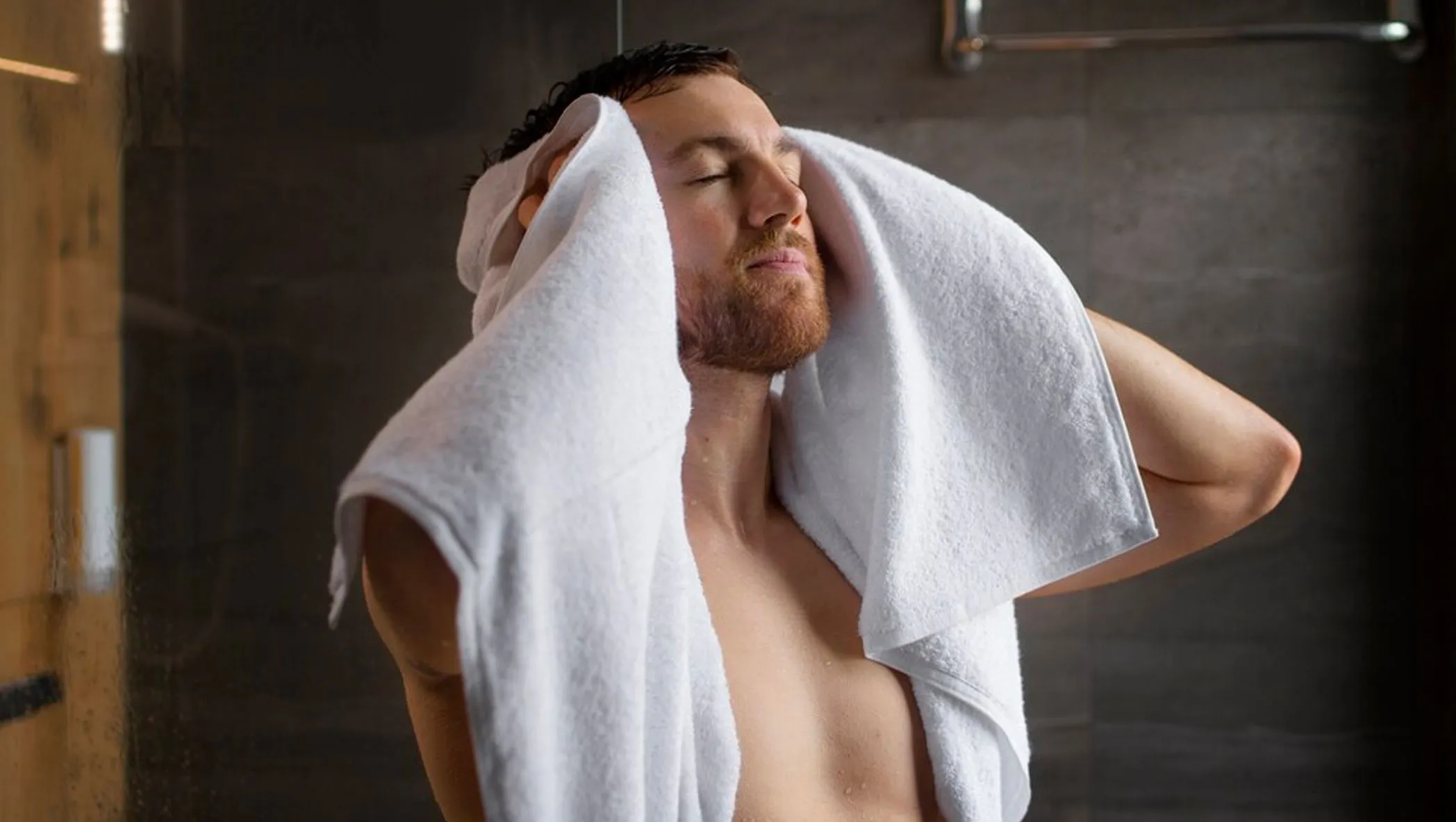 skin tighter after shower in winter
- Hot water melts the mortar. It dissolves these fats and washes away the skin’s natural moisturising factors.
- Soap and cleansers add to the loss. Many contain surfactants, which lift oil and dirt but also remove protective lipids. Strong, foaming and fragranced products do this more.
- Winter air dries what is left. Low humidity makes water evaporate faster from damaged skin.
- The skin surface shrinks as it dries. Dehydrated cells in the outer layer tighten and curl up. This gives the pulled feeling.
- Hard water can make it worse. Minerals can leave a residue and irritate skin.
A 2022 study in the Journal of Clinical Medicine tested 50 healthy volunteers in Spain. They kept one hand in hot water (about 41°C) and the other in cold water (about 11°C) for 10 minutes. TEWL, which is the amount of water escaping through the skin, is a standard measure of barrier damage.
- Hot water raised TEWL from 25.75 to 58.58 units. That is more than double.
- It also made the skin more alkaline and redder.
- Cold water also raised water loss, but less.
The authors concluded that long water exposure damages the skin barrier, “with hot water being even more harmful.” The study tested hands, not showers, but the same barrier applies.
ALSO READ- Can Sudden Summer Showers Make You Sick? Expert Answers
What Makes Skin Tightness After a Shower Worse?
Dr Malhotra says, “A few habits do most of the damage.”
- Very hot showers, or a geyser set too high
- Long showers of more than 10 minutes
- Harsh soaps, body scrubs and loofahs
- Rubbing the skin dry with a rough towel
- Skipping moisturiser afterwards
- Dry indoor air from heaters and blowers
Who Is More Prone to Dry, Tight Skin After Bathing in Winter?
“Some people lose moisture faster,” says Dr Malhotra.
- People with dry skin, eczema or psoriasis
- Older adults, whose skin makes less oil
- People who bathe more than once a day
- Those with diabetes or thyroid problems
How to Prevent Tight Skin After a Winter Shower

Dr Malhotra advises, “Use lukewarm water, not hot. Keep showers to 5 to 10 minutes.”
- Choose a mild, fragrance-free, soap-free cleanser. Use it only where needed, such as underarms and groin.
- Pat dry gently with a soft towel.
- Moisturise within three minutes of stepping out, while skin is slightly damp. Use a thick cream or ointment with ceramides, glycerin, urea or petroleum jelly.
- Use a humidifier if indoor air is very dry.
- Avoid scrubbing and exfoliating more than once or twice a week.
When to See a Dermatologist
Dr Malhotra says to see one if you have:
- Tightness that does not ease with regular moisturising
- Itching, redness or scaly patches
- Cracked or bleeding skin
- A rash that lasts more than one to two weeks
ALSO READ- Can Your Bathroom Habits Reveal Cancer? Doctors-Approved Warning Signs You Shouldn't Ignored
Conclusion
Dr Malhotra sums it up: “Skin feels tight after a winter shower because hot water and cleansers strip its protective oils, and dry air pulls out the rest. Lukewarm water, a gentle cleanser and moisturising right after the shower can prevent it.”
FAQ
1. Is Cold Water Better Than Hot Water for Your Skin in Winter?
Not necessarily. Cold water also increased skin water loss, though less than hot water. Lukewarm water is the best balance for comfort and skin protection.2. Do Bath or Shower Oils Help With Tight Skin?
They may help some people, because oils slow water loss. Some eczema guidelines suggest adding bath oil in the last minutes of a bath. Be careful, since oils make floors slippery. Moisturising after the shower is still the key step.
All possible measures have been taken to ensure accuracy, reliability, timeliness and authenticity of the information; however Onlymyhealth.com does not take any liability for the same. Using any information provided by the website is solely at the viewers’ discretion. In case of any medical exigencies/ persistent health issues, we advise you to seek a qualified medical practitioner before putting to use any advice/tips given by our team or any third party in form of answers/comments on the above mentioned website.
How we keep this article up to date:
We work with experts and keep a close eye on the latest in health and wellness. Whenever there is a new research or helpful information, we update our articles with accurate and useful advice.
-
Current Version
Nov 18, 2026 18:24 IST
Published By : Vivek Kumar
Reviewed By : Dr Karuna Malhotra