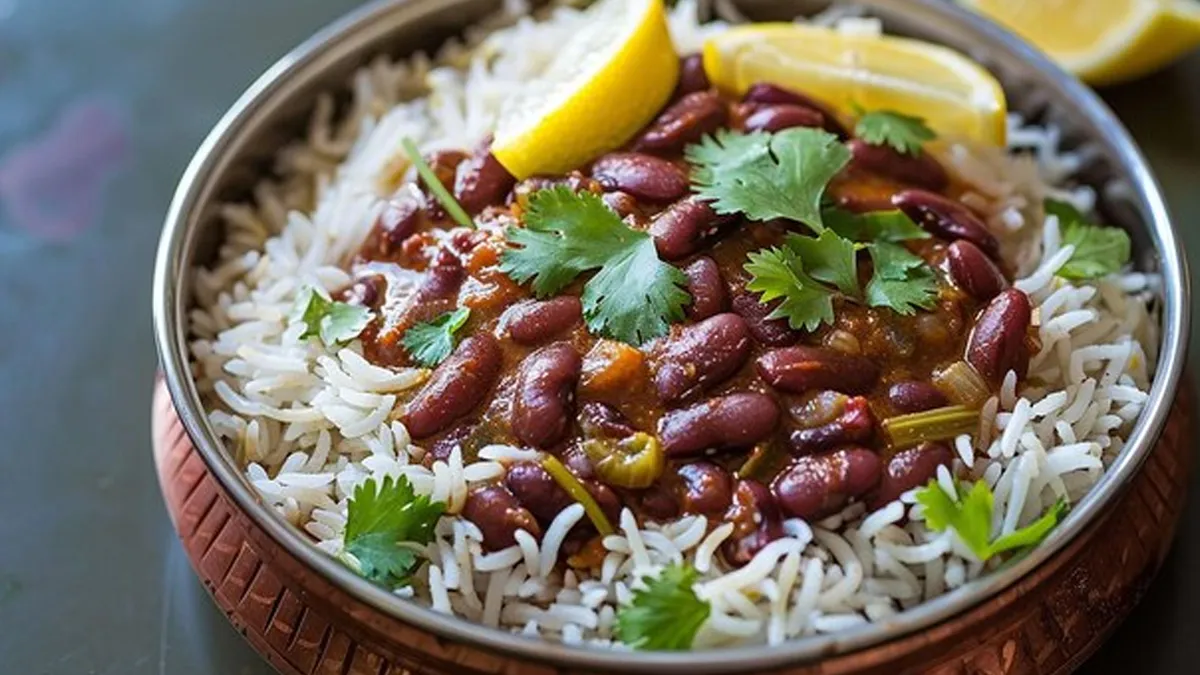
Rajma rice is one of the most loved dishes in north India. This has been a comfort meal for many since ages, especially vegetarians. Have you ever wondered whether a combo is wholesome and healthy? You will be surprised to know that rajma rice is not only soothing for your soul, but it can be a complete protein meal for vegetarians. This plant protein and carbohydrate combination is not just filling, but healthy as well.
Let us take a look at what Ms Chitra BK, Chief of Dietetics, KIMS Hospitals, Electronic City, Bengaluru, has to say about it.
Is Rajma Rice a 'Complete' Protein Meal for Vegetarians?
Let us dive right in and try to understand whether rajma and rice can provide ‘complete protein’ for vegetarians or not. Answering this, Ms Chitra says, “Rice and rajma can be termed as the perfect combination for a vegetarian to get the right amount of protein intake. As individual foods, plant proteins lack adequate amounts of one or more amino acids. However, rajma contains more Lysine than Methionine, whereas rice contains more Methionine than Lysine. In combination, the amino acid content of both is complementary.”
On this note, the expert shares the nutritional value of the rajma rice combo:
- Rajma: Contains protein, fibre, iron, folate, magnesium, and potassium.
- Rice: It serves the purpose of providing energy through carbohydrates as well as some protein and B-vitamins.
“If we assume a portion of 1 cup of cooked rajma and one cup of cooked rice, we can get about 15 to 18 grams of protein, depending on the preparation method and quantity,” adds Ms Chitra.
What Are The Benefits of Rajma Rice Meal?
Shedding light on the health benefits of rajma rice meal, Ms Chitra lists the following:
- Supports muscle conservation and recovery.
- High fibre content creates a sense of fullness and enhances digestion.
- Provides stable energy if served in the right portions.
- Takes care of several micronutrient requirements that help ensure good health.
The expert shares its ideal portion and pairing: For a healthy meal, you may consider having ½ – 1 cup of cooked rajma with ½ – 1 cup of cooked rice with a side of vegetables or salad and curd. You can add a small amount of healthy fat, like 1 tsp of ghee.
“If you need to manage your blood sugar better, opt for brown rice or hand-pounded rice and keep rice servings small while increasing protein and vegetables,” shares Ms Raj.
Do Vegetarian Diets Provide Enough Protein?
A 2019 study, published in the Nutrients journal, states that many people mistakenly believe that vegetarian diets cannot provide enough protein for a healthy body. To break this notion, a comprehensive research review examined this myth and discovered that plant-based diets offer plenty of protein.
The study showed that as long as vegetarians eat enough daily calories from a variety of foods, they can meet their daily protein goals. It also busted the popular myth that plant proteins are ‘incomplete’ and must be carefully paired together at every meal. While some plant foods may have lower amounts of certain specific amino acids, eating a normal mix of grains, beans, and vegetables throughout the day naturally fills in any nutritional gaps.
Foods such as lentils, chickpeas, soy, nuts, and seeds are exceptional sources of protein. They can even replace meat. In fact, the research focused that most adults on a vegetarian or vegan lifestyle can naturally consume protein amounts well above the minimum daily requirements. One of the benefits of getting protein from plants is that these foods are rich in healthy fibre and antioxidants, instead of the saturated fats which are often found in animal meat. However, specific groups like growing children may need to plan their meals a bit more carefully, the average adult should not need to meet their daily protein needs on a plant-based diet. The study concluded that a well-balanced vegetarian diet is completely enough for providing all the protein and amino acids your body needs.
Plant Protein vs Animal Protein: Which One is Better For Health?
There has been an ongoing debate on whether plant protein or animal protein is better for long-term health. A major study from the Harvard TH Chan School of Public Health attempts to give a clear answer by examining the diets and heart health of over 200,000 adults for thirty years.
Researchers found out that eating a higher ratio of plant-based proteins, as compared to animal-based proteins, can significantly lower your risk of developing heart disease. It noted that the average American consumes about 3 times as much animal protein as plant protein. However, the study discovered that shifting this ratio to at least one part plant protein for every two parts animal protein can provide powerful protection against cardiovascular diseases. The study added that those who eat the highest proportion of plant proteins saw a 19% drop in overall cardiovascular disease and a 27% drop in coronary heart disease.
Moreover, the study noted that the health benefits were even better for those who consumed a high amount of overall daily protein, as long as a significant portion came from plants instead of meat. This protection was the result of replacing red and processed meats with foods such as beans, lentils, and nuts. This dietary change drastically improved cholesterol, blood pressure, and internal inflammation.

Unlike heavy animal meats, plant proteins are naturally packaged with healthy fats, fibre, vitamins, and antioxidants which are good for your cardiovascular health. The study concludes that you do not have to completely give up meat; but you can swap a few animal-based meals for nutrient-rich plant proteins, which is a proven way to achieve better health.
ALSO READ- Myth vs Fact: Does Excess Protein Cause Hair Loss? Dietitian Reveals the Truth
Conclusion
The classic combination of rajma and rice proves that vegetarian meals can also provide all the essential amino acids your body needs. By adding more of these nutrient-rich plant proteins into your daily diet, you can enjoy delicious, comforting food, while actively boosting your long-term cardiovascular health.
FAQ
Can you eat 100 gm rajma daily?
Yes, eating 100 grams of cooked rajma (red kidney beans) daily is safe and healthy for most people.Is rajma better than egg?
Comparing rajma and eggs depends on your nutritional goals, as eggs provide a complete, low-carb protein while rajma supplies valuable dietary fiber and complex carbohydrates.
All possible measures have been taken to ensure accuracy, reliability, timeliness and authenticity of the information; however Onlymyhealth.com does not take any liability for the same. Using any information provided by the website is solely at the viewers’ discretion. In case of any medical exigencies/ persistent health issues, we advise you to seek a qualified medical practitioner before putting to use any advice/tips given by our team or any third party in form of answers/comments on the above mentioned website.

How we keep this article up to date:
We work with experts and keep a close eye on the latest in health and wellness. Whenever there is a new research or helpful information, we update our articles with accurate and useful advice.
-
Current Version
Sep 16, 2026 18:08 IST
Published By : Shruti Das
Reviewed By : Ms Chitra B K