
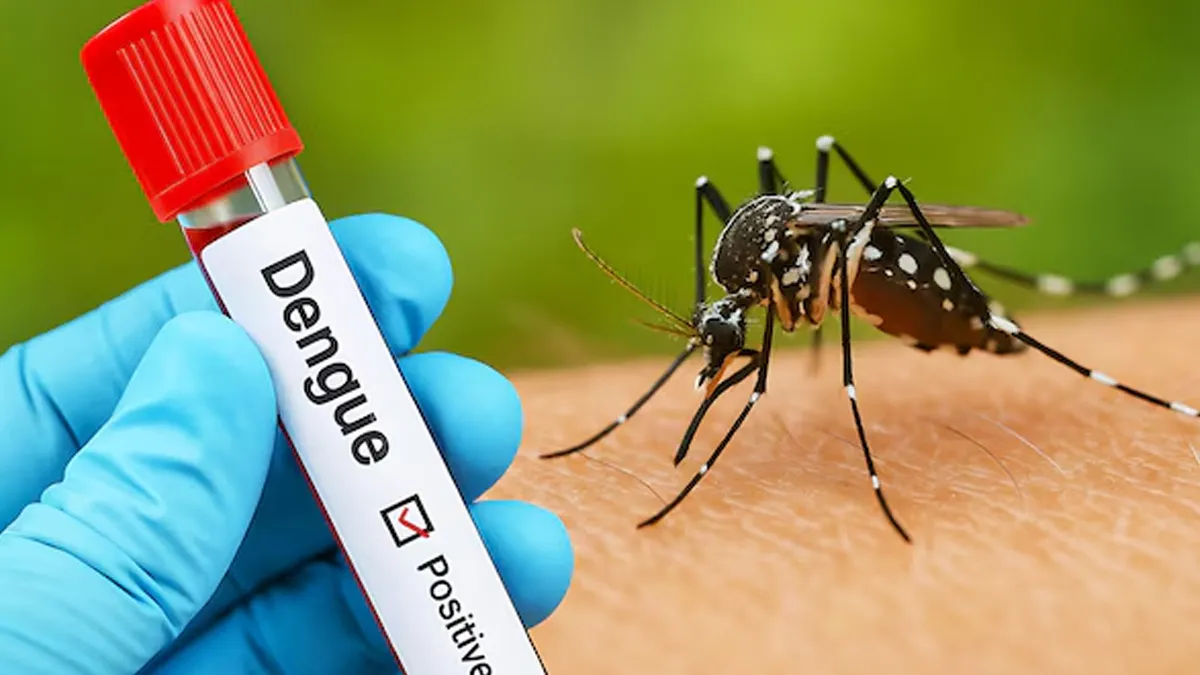
For many people, recovering from dengue does not mean every symptom disappears immediately. A few weeks after the fever settles, they may suddenly notice more hair on the pillow, in the shower or on the comb. The timing can be alarming, but our dermatologist explains that delayed hair shedding after a significant infection is often linked to a temporary condition called telogen effluvium. To know more about post-dengue hairfall, its causes and how to deal with it, read ahead.
Let us take a look at what Dr Ruben Bhasin Passi, Senior Consultant, Dermatology, CK Birla Hospital, Gurgaon, has to say about this.
What Causes Hair Fall After Dengue?
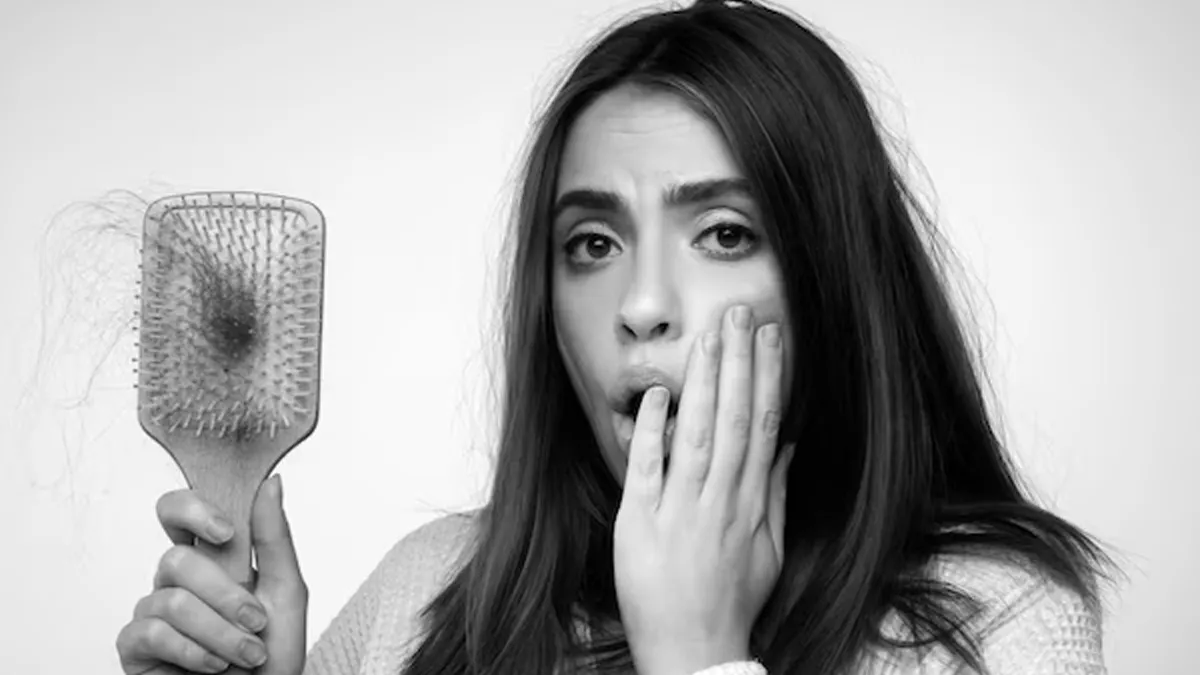
Let us straightaway get to the main point: why does dengue cause hair fall? Answering this, Dr Passi says, “Hair follicles naturally move through different phases of growth, rest and shedding. A high fever, infection, reduced appetite, dehydration, emotional stress or sudden weight loss can disrupt this cycle. More follicles than usual may enter the resting phase, after which the affected hairs are shed.”
The expert further explains, “Importantly, this shedding is usually delayed. It may become noticeable around two to four months after the illness rather than during the fever itself. That delay can make people believe that the hair fall must have another cause. In reality, the timing can fit the normal response of the hair cycle to physical stress.”
 post dengue hair fall main 1
Does Dengue Cause Permanent Hair Loss?
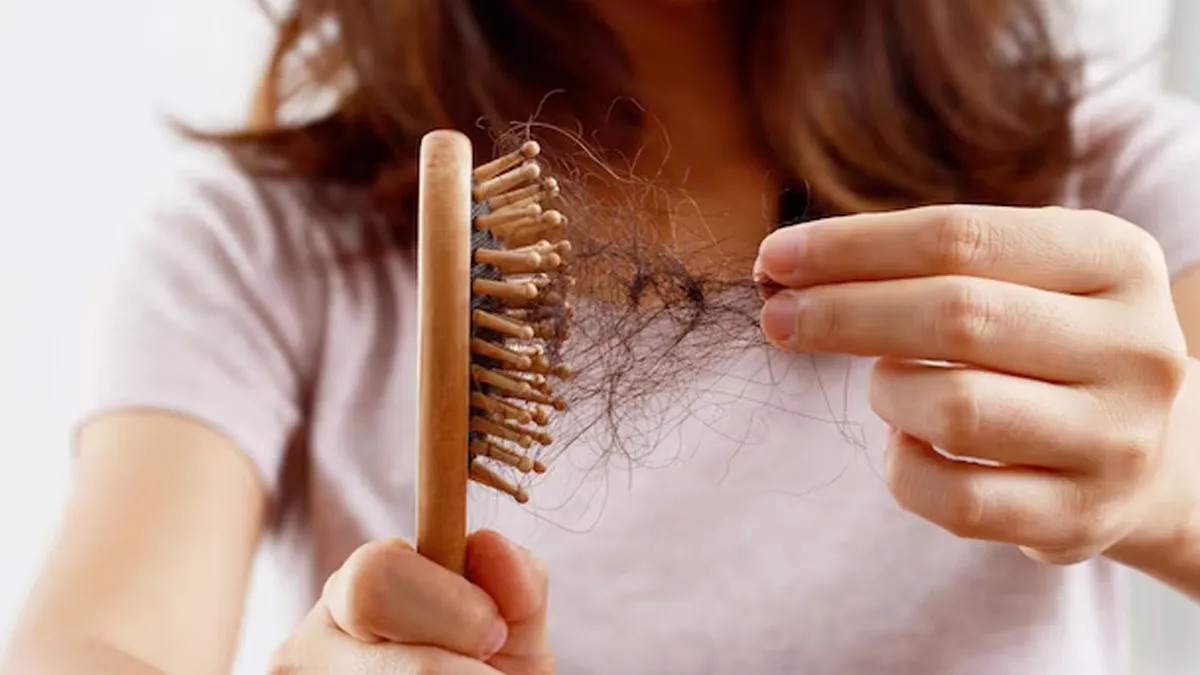
Another concern many people have is whether post-dengue hair fall is permanent or not. Answering this, Dr Passi says, “Usually, post-illness shedding does not mean that the hair follicles have been permanently damaged. Telogen effluvium generally causes diffuse thinning rather than clearly defined bald patches. As the cycle normalises, new hairs begin to grow, although visible recovery takes time because scalp hair grows slowly.”
Shedding more light on this, the expert shares, “However, not every case of hair loss after dengue should automatically be blamed on the infection. Iron deficiency, thyroid problems, inadequate protein intake, rapid dieting, hormonal changes and existing pattern hair loss can contribute as well. A dermatologist may investigate these possibilities when shedding is excessive, prolonged or accompanied by other symptoms.”
 post dengue hair fall 2
Diet Tips To Protect Hair Health While Recovering From Dengue
Dr Passi says that nutrition has an important supporting role. On this note, the expert shares some dietary tips that can help you protect your hair health post dengue:
- Hair is largely made of keratin, a protein, so adequate protein intake is particularly important after an illness. Useful sources include dal, beans, chickpeas, soy, tofu, paneer, curd, milk, eggs, fish or lean meat.
- Iron is another nutrient worth considering, particularly with low iron stores. Lentils, beans, green leafy vegetables, sesame seeds and other plant sources can contribute iron.
- Pairing plant-based iron sources with foods rich in vitamin C, such as guava, amla, citrus fruits, tomatoes or capsicum, can improve absorption.
- There is, however, no single food that can stop post-dengue hair fall overnight. A dermatologist would caution against taking high-dose iron, biotin, zinc or vitamin D supplements without establishing whether there is a deficiency. More is not necessarily better, and unnecessary supplements can cause side effects or interfere with certain medical tests.
 post dengue hair fall 3
Post-dengue Hair Care Tips At Home
Dr Passi shares certain hair care tips you can follow at home:
- Patients can continue washing their hair normally post dengue. Shampoo does not cause telogen effluvium; it simply releases hairs that were already ready to shed.
- Gentle handling is advisable, particularly when the hair is wet.
- Tight hairstyles, excessive heat, frequent chemical treatments and vigorous towel rubbing can increase breakage and make thinning appear worse.
- Crash dieting should also be avoided during recovery. The body needs adequate energy and nutrients after an infection.
- Good sleep and gradual activity can support overall recovery, although neither can instantly reset the hair cycle.
When Should You Consult a Dermatologist?
Dr Passi says that medical assessment is appropriate if shedding is very heavy, persists without improvement for several months, produces patchy bald areas or is accompanied by scalp redness, scaling, pain, significant fatigue or unexplained weight changes. “A dermatologist can distinguish temporary shedding from other forms of hair loss and decide whether blood tests or treatment are necessary,” she adds.
ALSO READ- Sudden Facial Hair? A Doctor Explains 7 Hormonal Causes in Women
Conclusion
The key message is that post-dengue hair fall can look dramatic without being permanent. Patience, adequate nutrition and gentle hair care are more useful than panic or unproven remedies.
FAQ
Does low platelets cause hair fall?
Low platelets (thrombocytopenia) do not directly cause hair loss, but they can be linked indirectly or through underlying conditions.Is hair loss normal after a viral fever?
Yes, hair loss is a normal and common reaction after a viral fever.
All possible measures have been taken to ensure accuracy, reliability, timeliness and authenticity of the information; however Onlymyhealth.com does not take any liability for the same. Using any information provided by the website is solely at the viewers’ discretion. In case of any medical exigencies/ persistent health issues, we advise you to seek a qualified medical practitioner before putting to use any advice/tips given by our team or any third party in form of answers/comments on the above mentioned website.
How we keep this article up to date:
We work with experts and keep a close eye on the latest in health and wellness. Whenever there is a new research or helpful information, we update our articles with accurate and useful advice.
-
Current Version
Oct 07, 2026 18:46 IST
Published By : Shruti Das
Reviewed By : Dr Ruben Bhasin Passi