
A premature birth can be an overwhelming experience for any parent, often bringing more questions than answers. Parents are left with many questions, like what impact does it have on babies' health, and what obstacles are there? The brief answer is that while grownups start to develop before birth, preterm babies also have a little difficulty during development to mature. Here is what parents should know as a neonatologist shares insights about preterm birth, the risk factors and what can be done to help premature babies.
What Does It Mean for a Baby to Be Premature?
Dr Anjali S Raj, Consultant, Neonatology at Manipal Hospital Kanakapura Road, explains that "preterm babies come with their own set of challenges." A baby is considered premature when born before 37 weeks of pregnancy. Although most organs are fairly well developed by 20 to 24 weeks of gestation, they aren't yet ready to function in the outer world.
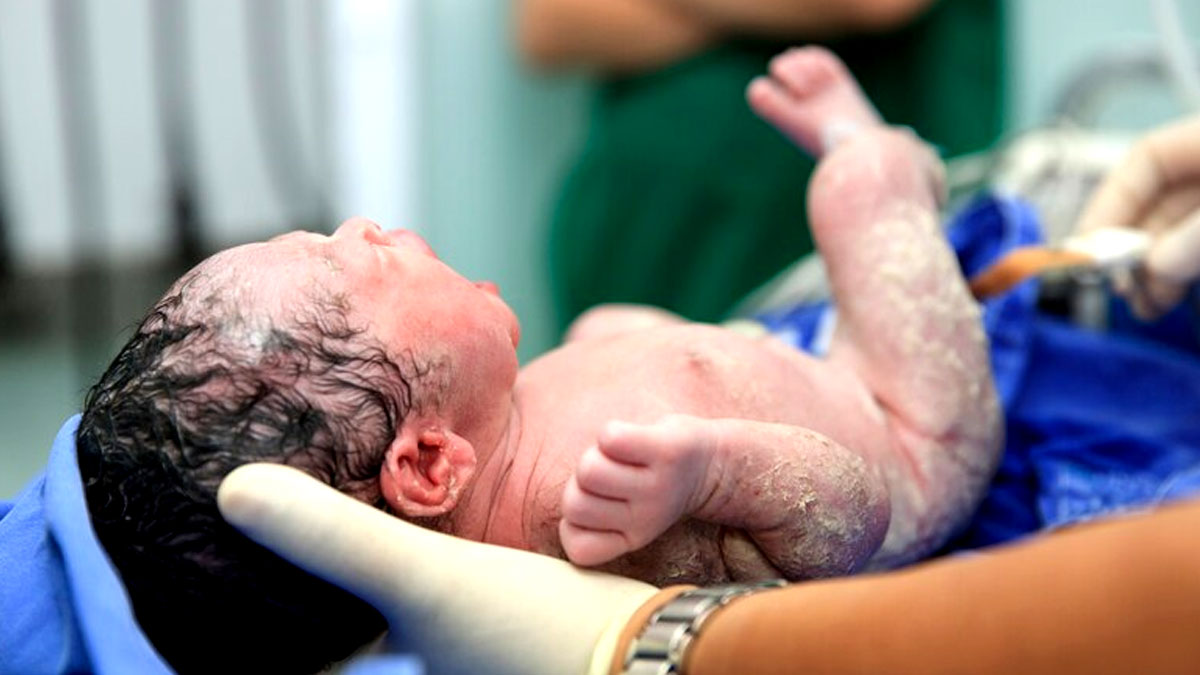
As Dr Raj puts it, this is the core problem with prematurity, since every organ, from head to toe, is still maturing and not yet equipped to handle life outside the womb the way a full-term baby's would be.
According to the World Health Organization (WHO), preterm birth can happen on its own or be planned early by doctors due to health complications. Common triggers include carrying multiples, infections, and long-term conditions like diabetes or high blood pressure.
Genetics may also play a role. However, WHO notes that in many cases, no clear cause is ever found, which is why researchers are still working to fully understand why it happens.
ALSO READ- Does Smoking in Pregnancy Increase Childhood Cancer Risk? An Oncologist Explains
What Causes Premature Birth?

According to Dr Raj, prematurity can stem from several maternal and baby-related factors. Common maternal causes include:
- Cervical incompetence, meaning a weak or short cervix, which may trigger early labour as pregnancy progresses
- Pregnancies conceived through IVF
- Placental abnormalities
- Maternal infections, such as urinary tract infections
- On the baby's side, factors that may trigger early delivery include:
- Twin pregnancy
- Intrauterine growth restriction (IUGR)
- Congenital abnormalities
What Are the Short-Term Health Risks of Premature Birth?
Premature babies may experience breathing problems right from birth, at times requiring resuscitation. The risk of birth asphyxia is very high in pre-term babies, who do not cry at birth, adds Dr Raj. Another complication is respiratory distress syndrome (RDS), which is caused by the lungs being undeveloped and not having enough surfactant, a substance that helps keep very small air sacs open. In the NICU, these babies may require support for breathing (CPAP), surfactant, intubation and ventilation.
Other early complications Dr Raj highlights include:
- Heart defects, such as patent ductus arteriosus (PDA)
- Low blood sugar (hypoglycaemia)
- Jaundice (hyperbilirubinemia)
- Feeding problems due to immature sucking and swallowing coordination
- Digestive intolerance from sensitivity to milk
- Apnoea, in babies born before 32 weeks
- Higher vulnerability to infection, due to immature immune systems
- Bleeding in the brain's ventricles
What Are the Long-Term Health Risks of Prematurity?
Further in the future, Dr Raj notes, bronchopulmonary dysplasia (BPD), a chronic lung disease due to inadequate development of the lungs and alveoli, is the most common long-term problem. Eye problems also happen frequently, primarily as a result of a condition referred to as retinopathy of prematurity (ROP), which occurs when blood vessels grow in the retina but cannot grow as far as the eye should.

Some long-term neurodevelopmental complications, such as cerebral palsy or periventricular leukomalacia, are also caused by intraventricular haemorrhage (IVH) or other hypoxic brain injury. Most long-term risks are caused by exposure to oxygen, and therefore oxygen saturation in the NICU needs to be carefully monitored and controlled.
Can Premature Birth Be Prevented?
Prematurity can often be avoided if women are in good health and take care of themselves before they conceive, says Dr Raj. Other prevention practices are:
- Prenatal check-ups and growth scans every month
- Checking the cervix length may require a supporting stitch if the cervix is becoming short
- Aspirin at low doses in high-risk pregnancies, to help with blood flow to the placenta
- Good control of chronic diseases like asthma, gestational diabetes, or autoimmune diseases
How Are Premature Babies Treated After Birth?
Neonatal teams are available to help with breathing right after birth. NICU provides respiratory assistance, standardised feeding plans which prioritise mothers' own milk (MOM) and treatments, such as surfactant therapy or laser treatment for any complications of the eyes if necessary.

According to Mayo Clinic, premature babies in the NICU are closely monitored, with regular checks on breathing, heart rate, and blood levels of things like sugar and calcium. Doctors also use ultrasounds to check the brain and organs, plus eye exams to catch early vision problems. Treatment can include incubators, breathing support, feeding tubes, and medicines to help the lungs, heart, or eyes. Babies go home once they're stable, feeding well, and gaining weight steadily.
Dr Raj also points out that kangaroo mother care (KMC) is preferred, as it can help to prevent infection, breathing difficulties and promote healthy development. Throughout this process, family involvement is still significant in relation to recovery, allowing parents to form a bond and learn care skills from the beginning.
ALSO READ- Why The First 40 Days After Birth Are Crucial for Mother and Baby? Know From an Expert
Conclusion
While there are special challenges to facing premature birth, it is important that they receive prompt medical treatment and supervision, and that their families are involved with them so they can thrive. Having an understanding of the risks and the care required can help to prepare and support parents as they make their way through the process.
FAQ
1. How long do premature babies typically stay in the NICU?
The duration for which the baby will need to stay in the NICU will depend on the premature age of birth as well as any complications that may occur. Typically, babies stay in the NICU until they can self-regulate their temperature, feed and breathe without assistance.2. Do all premature babies need follow-up care after leaving the hospital?
Yes, it is important that most premature babies continue to have follow-up appointments after leaving the hospital so that any potential issues can be spotted early and growth and development monitored. Follow-up is typically related to the frequency of premature birth and/or complications encountered at birth.
All possible measures have been taken to ensure accuracy, reliability, timeliness and authenticity of the information; however Onlymyhealth.com does not take any liability for the same. Using any information provided by the website is solely at the viewers’ discretion. In case of any medical exigencies/ persistent health issues, we advise you to seek a qualified medical practitioner before putting to use any advice/tips given by our team or any third party in form of answers/comments on the above mentioned website.

How we keep this article up to date:
We work with experts and keep a close eye on the latest in health and wellness. Whenever there is a new research or helpful information, we update our articles with accurate and useful advice.
-
Current Version
Jul 29, 2026 21:27 IST
Published By : Vivek Kumar
Reviewed By : Dr Anjali S Raj