
Pimples (also called zits) are a common skin issue. These are small, inflamed skin lesions, which are caused by clogged hair follicles. More than the discomfort they cause, people often experience embarrassment due to their visible appearance on the face. That is the reason why many people look for quick fixes to treat and remove pimples. From lotions, home remedies to pimple patches, there are different ways to deal with zits in today’s day and age. However, earlier, toothpaste was believed to be an effective remedy for pimples. Some people still hold on to this traditional notion. This age-old myth may not be as harmless as it seems. To know more about this, read this article till the end.
We interacted with Dr Ruben Bhasin Passi, Consultant, Dermatology, CK Birla Gurgaon, to get a better understanding of this topic.
Does Toothpaste Actually Clear Up Pimples?
Dr Passi says that using toothpaste to treat pimples is one of the oldest tricks passed down at sleepovers and shared in hushed tones before school photo day: dab a bit of toothpaste on a spot overnight, and by morning, it will have shrunk or vanished altogether. But how effective is this, or is it just a myth?
The expert explains, “The advice has survived decades, largely because it seems to work, at least at first glance. But dermatologists say the reality is far less flattering for toothpaste, and rather more complicated for skin.”
She continues, “Older toothpaste formulations often contained triclosan, an antibacterial agent, along with baking soda and hydrogen peroxide-like whitening compounds. These ingredients can dry out a pimple rapidly, causing surface redness and swelling to reduce within hours. That drying effect is often mistaken for healing.”
Dr Passi further shares, “The toothpaste hack persists because minor, visible change feels like proof of success, even when it comes at the cost of skin health. Breaking this myth matters, not just for cosmetic reasons but because repeated misuse can lead to lasting irritation or scarring. As with most skincare shortcuts, the appeal lies in convenience; the science, however, tells a different story.”
What Studies Say About Using Toothpaste For Pimples
A 2014 study, published in the International Journal of Chemical and Pharmaceutical Analysis analysed whether everyday toothpaste can effectively treat pimples. The study examined five popular toothpaste brands to evaluate their ability to kill two common acne-causing bacteria, Propionibacterium acnes and Staphylococcus aureus.
The findings noted that while the antibacterial ingredients in toothpaste can help dry out and reduce certain whitehead pimples, it is not a universal cure for all forms of acne. However, applying certain formulas like whitening toothpastes on the skin can lead to burning, itching, and irritation due to harsh bleaching ingredients.
The research focused on the fact that toothpaste must be used cautiously on facial skin. This can help avoid triggering uncomfortable side effects, as well as skin irritation. To summarise, the research concluded that white toothpaste shows real antibacterial activity against pimple-causing germs, but it should not be viewed as a safe and effective option to treat pimples.
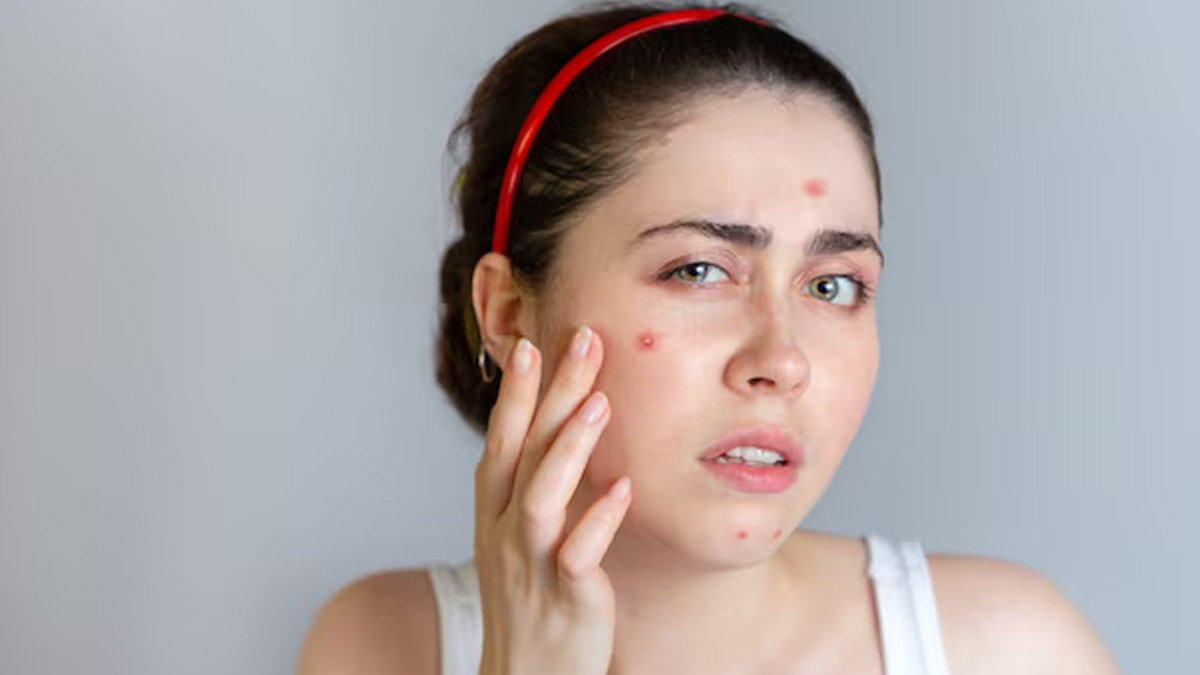
According to the Cleveland Clinic, certain ingredients present in toothpaste can be too strong or harsh for your skin, and they can cause:
- Redness.
- Stinging.
- Burning.
- Irritation.
- Inflammation.
 toothpaste pimples 1
Symptoms and Causes of Pimples
According to the Cleveland Clinic, these are the symptoms of pimples:
- Papules.
- Blackheads.
- Whiteheads.
- Nodules.
- Pustules.
- Cysts.
The Cleveland Clinic further adds that clogs or inflammation in your sebaceous glands can lead to pimples. These clogs and inflammation can occur due to:
- Increased sebum (oily material produced by the sebaceous gland) production.
- Abnormal formation of keratin (the protein that helps make your hair, skin and nails).
- Increased presence of bacteria on your skin that causes pimples.
 toothpaste pimples 2
Tips To Treat Pimples
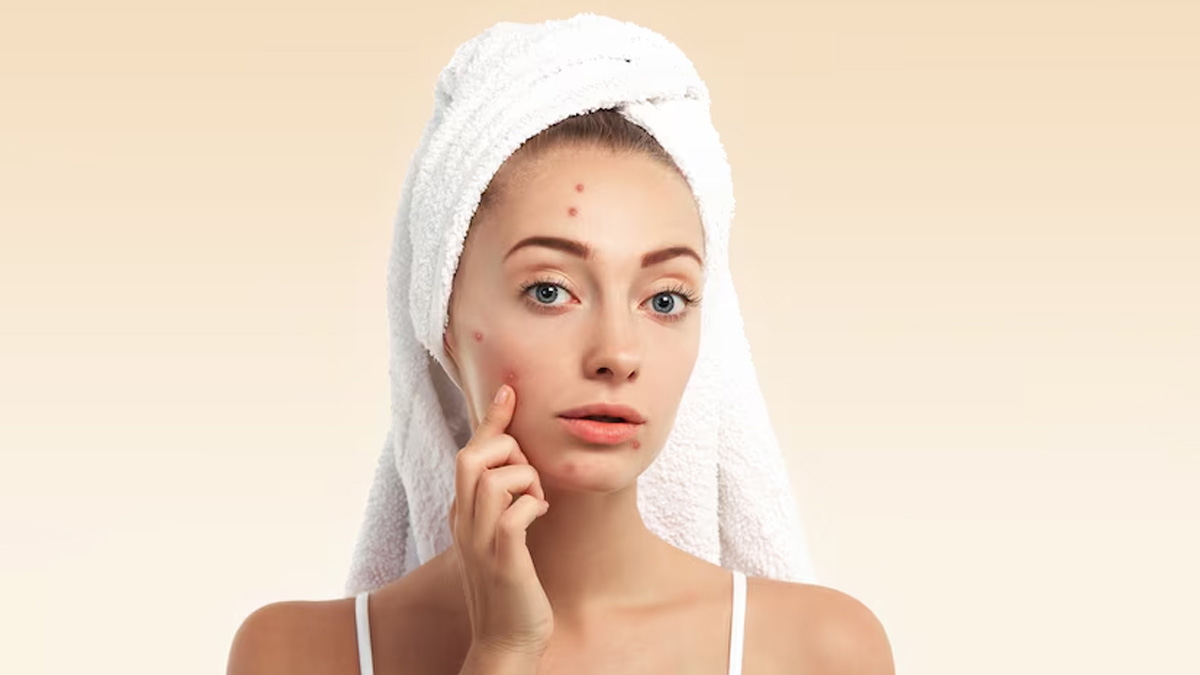
Dr Passi says that dermatologists generally recommend ingredients specifically tested for acne, such as:
- Benzoyl peroxide.
- Salicylic acid.
- Adapalene.
“All of these target the bacteria and excess oil that cause breakouts without damaging the skin barrier. Spot treatments formulated for the face are absorbed and act differently to a paste meant for enamel,” adds the expert.
 toothpaste pimples 3
As per the Cleveland Clinic, here are some other ways to treat pimples:
Therapies:
- Chemical peels.
- Laser skin resurfacing.
- Microdermabrasion.
Home Remedies:
- Tea tree oil: This oil can prevent or stop the growth of bacteria.
- Sugar or salt scrubs:These can scratch away (exfoliate) dead cells on the surface of your skin.
- Green tea: Wet green tea leaves can minimise oil production in your skin.
- Warm compress: A warm compress increases blood blow to your pimples, leading them to heal faster.
- Ice: It can slow down the amount of blood that flows to your pimples, minimising inflammation and pain.
ALSO READ- Are Pimple Patches Actually Effective? Dermatologist Weighs In
Conclusion
To summarise, earlier toothpaste formulations often contained triclosan (an antibacterial agent), along with baking soda and hydrogen peroxide-like whitening compounds. These ingredients help dry out a pimple quickly. It even reduces surface redness and swelling within hours. This drying effect is usually mistaken for healing. However, applying certain formulas such as whitening toothpastes on the skin can lead to burning, itching, and irritation due to harsh bleaching ingredients. Therefore, it is advisable to avoid using toothpaste to treat pimples and seek medical help if needed.
FAQ
How long do pimples usually last?
Pimples typically last 3 to 7 days for mild blemishes; but deeper, inflamed cysts can persist for 4 to 6 weeks.Is it better to leave a pimple or pop it?
It is better to leave a pimple alone as squeezing forces bacteria and pus deeper into the skin.
All possible measures have been taken to ensure accuracy, reliability, timeliness and authenticity of the information; however Onlymyhealth.com does not take any liability for the same. Using any information provided by the website is solely at the viewers’ discretion. In case of any medical exigencies/ persistent health issues, we advise you to seek a qualified medical practitioner before putting to use any advice/tips given by our team or any third party in form of answers/comments on the above mentioned website.
How we keep this article up to date:
We work with experts and keep a close eye on the latest in health and wellness. Whenever there is a new research or helpful information, we update our articles with accurate and useful advice.
-
Current Version
Jul 23, 2026 18:21 IST
Published By : Shruti Das
Reviewed By : Dr Ruben Bhasin Passi