
Every skin has a type. Some people have oily skin, while others have sensitive, dry, or combination skin type. But have you ever heard of dehydrated oily skin? Yes, you read that right. There is a skin type where people have a combination of flaky dehydrated and oily skin. This is a confusing type of skin, which often goes undiagnosed because of its rarity. So what exactly is dehydrated oily skin and how to manage it? This article will answer this for you.
To understand this better, we reached out to Dr Ruben Bhasin Passi, Senior Consultant Dermatology, CK Birla Hospital, Gurgaon.
What Is Dehydrated Oily Skin?
So what exactly is dehydrated oily skin? Answering this, Dr Passi says, “Most people describe oily skin as shiny, coupled with enlarged pores and odd breakouts. When it comes to describing dehydrated skin, it is often pictured as flaking, tightness and rough patches. So when a patient turns up with both an oily T-zone and a tight, flaky complexion, the confusion is understandable. This combination is known as dehydrated oily skin, and it is one of the most misdiagnosed skin conditions seen in clinics today.”
Shedding more light on it, the expert says, “Dehydrated oily skin occurs when the skin lacks water, not oil. Oiliness is a skin type, determined largely by genetics and how active the sebaceous glands are. Dehydration, on the other hand, is a condition that can affect any skin type, including oily skin. When the skin senses a lack of water, it often responds by producing even more sebum in an attempt to compensate and prevent further moisture loss. The result is skin that looks shiny yet feels tight, appears oily in places yet flaky in others, and behaves unpredictably depending on the weather, diet or skincare routine used.”
 dehydrated oily skin 1
What Causes Dehydrated Oily Skin?
Speaking about its causes, Dr Passi says that several everyday habits contribute to this condition, such as:
- Over-cleansing, particularly with harsh, foaming or alcohol-based products. This strips the skin's natural moisture barrier.
- Skipping moisturiser out of fear that it will ‘add more oil’ is another common culprit.
- Excessive use of drying acne treatments without adequate hydration support. Environmental factors such as air conditioning, central heating, hard water, and prolonged sun exposure also draw moisture from the skin.
- Ageing, poor diet, dehydration from within, and even stress can further disrupt the skin's barrier function.
 dehydrated oily skin 2
Common Symptoms of Dehydrated Oily Skin
Dr Passi says that people with dehydrated oily skin typically notice:
- Shiny surface alongside patches of flakiness, particularly around the cheeks, forehead or jawline.
- Fine lines may appear more pronounced than expected.
- The skin often feels tight shortly after cleansing, yet turns oily again within a few hours. Makeup may cling to dry patches while sliding off oilier areas.
- Breakouts can occur even as the skin feels parched.
Are there any common myths related to dehydrated oily skin? Answering this, Dr Passi says, “A persistent myth is that oily skin never needs moisturiser. In truth, depriving oily skin of hydration often worsens oil production, creating a frustrating cycle. Another myth suggests that dehydration only affects dry skin types, when in fact it can affect anyone, regardless of how much oil their skin produces.”
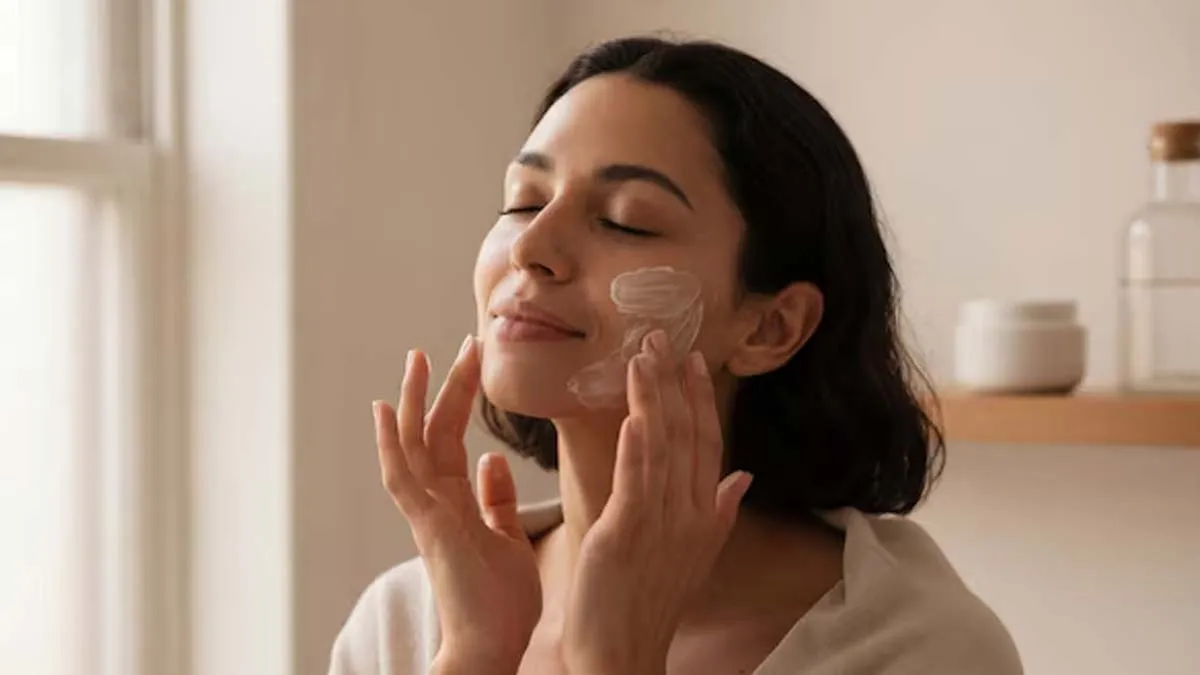 dehydrated oily skin 3
Tips to Manage Dehydrated Oily Skin
Dr Passi shares some tips to deal with dehydrated oily skin:
- A gentle, non-foaming cleanser helps avoid stripping natural oils.
- Hydrating, lightweight, oil-free moisturisers containing hyaluronic acid or glycerin restore water content without clogging pores.
- Avoiding harsh scrubs and overuse of active ingredients allows the skin barrier to recover.
- Drinking sufficient water, using a humidifier in dry environments, and applying a broad-spectrum sunscreen daily also support long-term skin health.
“Understanding the difference between oily skin and dehydrated skin is the first step towards treating both effectively, rather than making the problem worse through misguided assumptions. If symptoms persist, a dermatologist can help tailor a routine suited to individual needs,” concludes the expert.
ALSO READ- Can Dairy Cause Acne? Dermatologist Answers
Conclusion
Navigating the confusing paradox of dehydrated oily skin can be challenging. It is important to understand that your skin may often lack water, not oil. This is the key to finally fixing it. Instead of overusing harsh treatments and skipping moisturisers, focus on replenishing your skin's barrier with gentle, hydrating ingredients such as hyaluronic acid. It is equally important to give your skin the hydration it desperately needs. This will calm its overproduction of sebum and help get rid of that tight, greasy feeling. If your skin remains persistently unbalanced despite changes in skincare and daily habits, consult a dermatologist.
FAQ
Does your skin get oily if you are dehydrated?
Yes, dehydration and a lack of moisture in the skin can trigger your sebaceous glands to overproduce oil as a protective defense mechanism.Which skincare products are best for dehydrated oily skin?
Dehydrated oily skin needs lightweight, oil-free hydration and barrier-repairing ingredients to stop overproducing sebum.
All possible measures have been taken to ensure accuracy, reliability, timeliness and authenticity of the information; however Onlymyhealth.com does not take any liability for the same. Using any information provided by the website is solely at the viewers’ discretion. In case of any medical exigencies/ persistent health issues, we advise you to seek a qualified medical practitioner before putting to use any advice/tips given by our team or any third party in form of answers/comments on the above mentioned website.
How we keep this article up to date:
We work with experts and keep a close eye on the latest in health and wellness. Whenever there is a new research or helpful information, we update our articles with accurate and useful advice.
-
Current Version
Sep 09, 2026 18:44 IST
Published By : Shruti Das
Reviewed By : Dr Ruben Bhasin Passi