
Pregnancy brings about a host of changes in a woman’s body. Their gum health also gets impacted during this phase. Many pregnant women experience gum inflammation that is caused by hormonal changes. It makes their gums sensitive to plaque and causes red, swollen, and bleeding gums. This usually happens in the second trimester, and generally resolves after delivery. This is known as pregnancy gingivitis. To know all about it, read ahead.
To understand this better, we reached out to our expert, Dr Lavanya Kiran, Director and Lead Consultant, Obstetrics, Gynaecology, KIMS Hospitals, Electronic City, Bengaluru.
What Causes Pregnancy Gingivitis?
Dr Kiran says pregnancy gingivitis is a fairly common condition among pregnant women due to hormonal changes.
The expert explains, “These hormones make your gums more vulnerable to plaque accumulation. This makes gums swell up easily. Symptoms may begin to show in the second trimester, which may include swelling, redness, soreness of the gums, bleeding when brushing, bad breath, and some pain from time to time. The severe form of pregnancy gingivitis can be linked to serious conditions such as premature labour and low birth weight.”
According to the Cleveland Clinic, pregnancy gingivitis can cause your gums to be:
- Inflamed
- Tender or painful
- Red
- Swollen
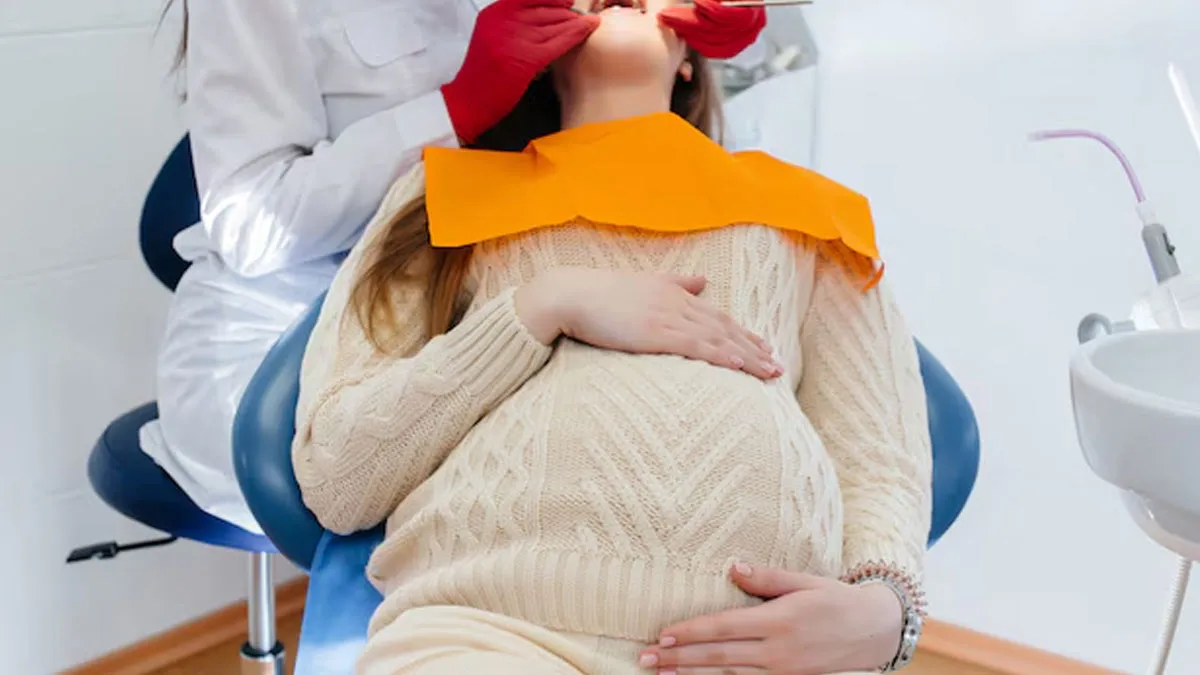 pregnancy gingivitis 1
Symptoms of Pregnancy Gingivitis
According to the Cleveland Clinic, significant spikes in the hormones oestrogen and progesterone during pregnancy can cause gingivitis. This is because these hormones:
- Increase blood flow to your gums, which can lead to inflammation, soreness and bleeding.
- Change your sensitivity to plaque, a sticky film on your teeth (plaque irritates and inflames your gums, making them prone to infection).
It also mentions certain factors that can increase your risk of pregnancy gingivitis:
- Poor brushing and flossing habits
- History of gum disease
- Eating sugary and acidic foods
- Frequent vomiting from morning sickness
- Smoking cigarettes or using tobacco products
 pregnancy gingivitis 2
What Study Says About Pregnancy Gingivitis
A 2015 study, published in the journal Mediators of Inflammation, examines past research to understand exactly how and why these gum issues happen in expectant mothers.
The researchers discovered that pregnant women often experience worse gum bleeding and swelling as their pregnancy progresses. These uncomfortable symptoms generally reach their peak around the third trimester before naturally improving after childbirth. The main trigger for this condition is the massive increase in pregnancy hormones, specifically oestrogen and progesterone. These spikes in hormones can directly alter how the body's immune system and gum tissues react to everyday bacteria in the mouth.
The study also showed that gum inflammation can worsen even if a pregnant woman maintains excellent brushing and flossing habits. However, the research confirms that this condition only impacts the surface of the gums without causing permanent bone or tooth damage. While good oral hygiene can help reduce the effects, it cannot completely stop these changes in the gums. The study concluded that pregnancy itself is a direct and natural cause of this temporary gum inflammation.
 pregnancy gingivitis 3
Tips to Deal With Pregnancy Gingivitis
Dr Kiran says that the best part about pregnancy gingivitis is that it is preventable and controllable through proper dental hygiene. On this note, the expert shares some tips that can help you deal with it:
- Always brush twice a day using a soft toothbrush along with toothpaste that contains fluoride.
- Floss on a daily basis and rinse your mouth whenever you suffer from morning sickness in order to keep the tooth enamel protected.
- Have a healthy diet that includes foods rich in calcium and vitamin C for healthy gums.
- Avoid sugary foods as they can lead to the formation of plaque. Dental visits during
- Pregnancy is perfectly safe and advised, especially during the second trimester.
“Being a gynaecologist, I strongly advise pregnant women to think about oral health as an important component of prenatal care,” concludes the expert.
ALSO READ- Is It Safe To Consume Papaya During Pregnancy? Gynaecologist Explains
Conclusion
Pregnancy gingivitis is a common and temporary condition caused by surging hormones. Therefore, it is important to prioritise your dental hygiene during this time to keep your smile protected. By maintaining regular brushing and flossing habits, scheduling safe dental visits, and eating a balanced diet, expectant mothers can manage and prevent severe symptoms of gingivitis. Ultimately, pregnant women should treat oral health as a vital component of prenatal care to ensure both a more comfortable pregnancy and long-term health for their gum.
FAQ
Will gingivitis go away after pregnancy?
Yes, pregnancy gingivitis typically goes away after birth.When does pregnancy gingivitis start?
Pregnancy gingivitis can start as early as the first trimester (around the second month).
All possible measures have been taken to ensure accuracy, reliability, timeliness and authenticity of the information; however Onlymyhealth.com does not take any liability for the same. Using any information provided by the website is solely at the viewers’ discretion. In case of any medical exigencies/ persistent health issues, we advise you to seek a qualified medical practitioner before putting to use any advice/tips given by our team or any third party in form of answers/comments on the above mentioned website.
How we keep this article up to date:
We work with experts and keep a close eye on the latest in health and wellness. Whenever there is a new research or helpful information, we update our articles with accurate and useful advice.
-
Current Version
Aug 21, 2026 16:40 IST
Published By : Shruti Das
Reviewed By : Dr Lavanya Kiran