
Experiencing light bleeding or vaginal spotting during pregnancy can often lead to anxiety and fear in expectant mothers. However, medical experts reassure that this is actually a common occurrence, especially during the first trimester. This may not always indicate a serious health issue.
To help you understand when pregnancy spotting is normal and when to seek immediate medical help, we interacted with Dr Manjeet Arora, Clinical Director, Department of Obstetrics and Gynaecology at Cloudnine Group of Hospitals, Kailash Colony and Dr Ritambhra Bhalla, Associate Director, Department of Obstetrics in Gynaecology at Cloudnine group of hospital, Chandigarh. The expert breaks down the causes, warning signs, and best practices for managing pregnancy spotting.
Is Spotting Common During Pregnancy?
Dr Bhalla says that spotting during pregnancy is relatively common, especially during the first trimester, and does not always indicate a problem.
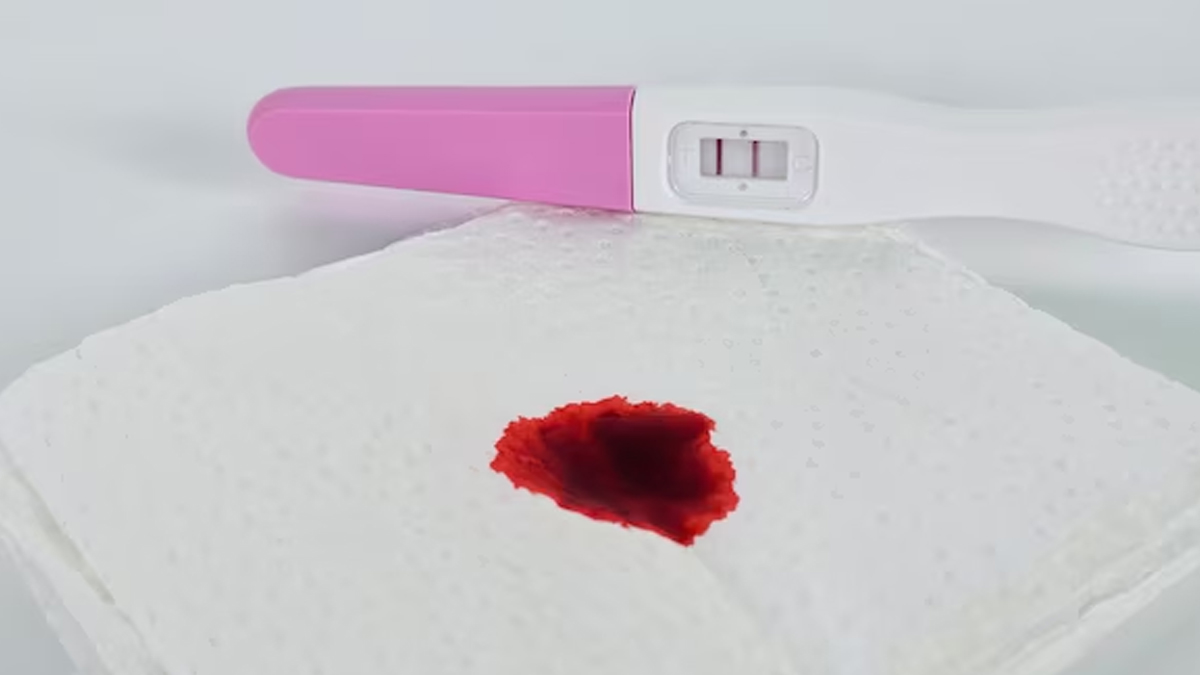
The expert explains, “Spotting refers to light vaginal bleeding or a few drops of blood that are pink, red, or brown in colour. While many women who experience spotting go on to have healthy pregnancies, it is important that any bleeding during pregnancy is evaluated by an obstetrician to rule out underlying complications.”
Dr Bhalla continues, “During early pregnancy, one of the most common causes of spotting is implantation bleeding, which occurs when the fertilised egg attaches to the lining of the uterus. This typically happens around 10–14 days after conception and is usually light, lasting for a day or two. Spotting may also occur due to hormonal changes or increased blood flow to the cervix. During pregnancy, the cervix becomes more sensitive, so activities such as sexual intercourse, a pelvic examination, or even vigorous exercise may sometimes cause mild spotting.”
 pregnancy spotting 1
When Should You Be Concerned?
Dr Bhalla says that in the second and third trimesters, spotting is less common and should never be ignored. “It may result from cervical changes, infections, cervical polyps, or irritation.”
Shedding more light on this, the expert says, “Bleeding later in pregnancy can also be associated with more serious conditions such as placenta previa, placental abruption, or preterm labour. Prompt medical evaluation is essential to identify the cause and ensure the wellbeing of both the mother and the baby.”
The expert further warns, “It is also important to distinguish spotting from heavy bleeding. Spotting usually involves only a few drops of blood that do not soak a sanitary pad. Heavy bleeding, especially if accompanied by severe abdominal pain, back pain, dizziness, fever, or the passage of clots or tissue, requires immediate medical attention. Such symptoms could indicate a miscarriage, ectopic pregnancy, or another pregnancy-related emergency.”
 pregnancy spotting 2
When To Seek Medical Help
Dr Bhalla says that if you notice spotting during pregnancy, avoid self-diagnosing or relying solely on home remedies.
The expert suggests, “Contact your obstetrician as soon as possible. Your doctor may recommend an ultrasound, blood tests, or a physical examination to determine the cause. Until you receive medical advice, it is generally recommended to avoid strenuous physical activity, sexual intercourse, and inserting anything into the vagina if bleeding is ongoing.”
Adding to this, Dr Arora says, "Any vaginal bleeding during pregnancy warrants medical evaluation to rule out conditions such as threatened miscarriage, ectopic pregnancy, molar pregnancy, or, in later stages, placenta previa, placental abruption, or preterm labour. The colour, amount, duration of bleeding, and associated symptoms such as abdominal pain, dizziness, fever, or passage of clots help determine the underlying cause." She adds, "Pregnant women should avoid self-diagnosis or relying on home remedies. Prompt consultation with an obstetrician allows timely assessment through a clinical examination, ultrasound, and other investigations if required. Early diagnosis can significantly improve outcomes for both mother and baby."
Tips To Deal With Pregnancy Spotting
Dr Bhalla says that while spotting can understandably cause anxiety, it is important to remember that it does not always mean pregnancy loss. The expert says, “Many women experience light spotting and continue to have healthy pregnancies and healthy babies.” On this note, she shares some tips to deal with pregnancy spotting:
- The key is not to ignore the symptom. Early assessment allows timely diagnosis, appropriate treatment if required, and reassurance when everything is progressing normally.
- Regular antenatal check-ups.
- Following your doctor's advice.
- Seeking prompt medical attention whenever you experience bleeding.
 pregnancy spotting 3
According to the Cleveland Clinic, here are some tips to effectively deal with pregnancy spotting:
- Relax and stay off your feet.
- Drink lots of water.
- Avoid sex.
- Avoid travel.
- Stay in the hospital if the bleeding is severe.
“All these can help ensure the safest possible outcome for both you and your baby. When in doubt, always be cautious and consult your healthcare provider,” adds Dr Bhalla.
"Most importantly, do not panic. Many women who experience light spotting go on to have healthy pregnancies. The key is recognising that every episode of bleeding deserves medical attention. Regular antenatal check-ups, adherence to medical advice, and immediate reporting of any unusual symptoms remain the best way to ensure a safe and healthy pregnancy journey for both mother and baby," concludes Dr Arora.
ALSO READ- Is Breathlessness Common During Pregnancy? A Gynaecologist Answers
Conclusion
Noticing blood during pregnancy can be stressful. However, many women who experience light spotting go on to deliver perfectly healthy babies. The most important step is to avoid self-diagnosis and promptly consult your doctor to rule out any underlying complications, particularly if it occurs in the later trimesters. By prioritising regular check-ups, staying hydrated, and resting when needed, expectant mothers can navigate these concerns and ensure the wellbeing of themselves and their little one.
All possible measures have been taken to ensure accuracy, reliability, timeliness and authenticity of the information; however Onlymyhealth.com does not take any liability for the same. Using any information provided by the website is solely at the viewers’ discretion. In case of any medical exigencies/ persistent health issues, we advise you to seek a qualified medical practitioner before putting to use any advice/tips given by our team or any third party in form of answers/comments on the above mentioned website.
How we keep this article up to date:
We work with experts and keep a close eye on the latest in health and wellness. Whenever there is a new research or helpful information, we update our articles with accurate and useful advice.
-
Current Version
Jul 15, 2026 21:54 IST
Published By : Shruti Das
Reviewed By : Dr Manjeet Arora