
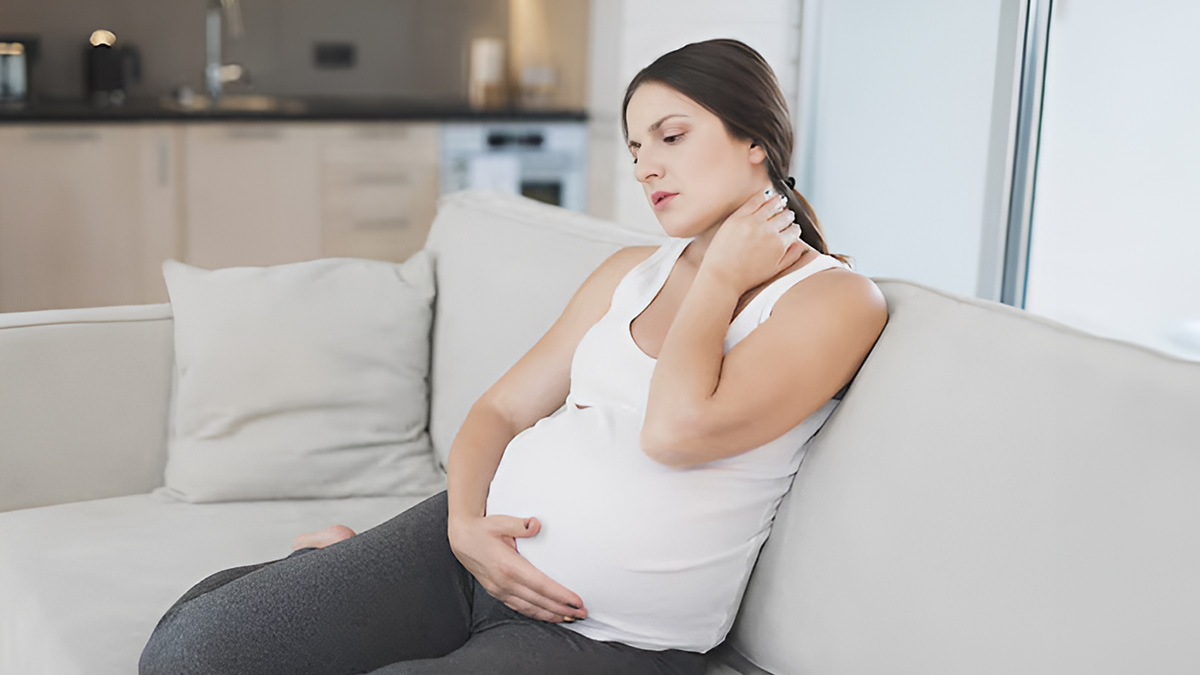
Feeling out of breath during pregnancy can be an unsettling experience. However, it is actually a completely normal part of your body's journey to support your growing baby. There are different reasons, such as hormonal shifts and your expanding uterus, which may lead to breathlessness, which may leave you easily winded after the simplest daily tasks. To help ease your mind, we interacted with a gynaecologist, who broke down the physiological reasons behind pregnancy-induced breathlessness, tips to deal with it safely, and the warning signs that need immediate medical attention.
Let us take a look at what Dr Chetna Jain, Director Department of Obstetrics and Gynaecology, Cloudnine Group of Hospitals, Sector 14, Gurgaon, has to say about this.
Is Breathlessness Common During Pregnancy?
Let us straight away get to the point – is breathlessness common during pregnancy? Dr Jain confirms that it is. She adds, “Breathlessness is a common symptom during pregnancy, affecting many women at different stages of their pregnancy.”
The expert further explains, “While it can feel concerning, mild shortness of breath is often a normal physiological response to the changes happening in a woman's body as it adapts to support the growing baby. However, it is equally important to recognise when breathlessness may indicate an underlying medical condition that requires prompt evaluation.”
A 2015 study, published in the journal Breath by European Respiratory Society, shares that breathlessness is a normal experience for up to 70% of healthy pregnant women, and it usually starts as early as the first trimester. It adds that this shortness of breath is mainly caused by natural hormonal and chemical changes that change how the mother breathes.
 breathlessness pregnancy 1
Factors That Causes Breathlessness During Pregnancy
Dr Jain lists the factors related to pregnancy that can lead to breathlessness:
Hormonal Change
One of the earliest reasons for breathlessness is hormonal change. During pregnancy, levels of progesterone increase significantly. This hormone stimulates the respiratory centre in the brain, causing pregnant women to breathe more deeply and slightly faster. Although oxygen levels remain normal, many women become more aware of their breathing and may feel as though they cannot take a deep enough breath.
Expanding Uterus
As pregnancy progresses, the growing uterus pushes the diaphragm upwards by several centimetres, reducing the amount of space available for the lungs to expand. This is particularly noticeable during the second and third trimesters. Despite this mechanical change, the lungs become more efficient at transferring oxygen, ensuring that both the mother and baby receive adequate oxygen. Simple activities such as climbing stairs, walking uphill, or carrying groceries may leave a pregnant woman feeling more breathless than usual.
Underlying Health Conditions
Breathlessness can also be more noticeable in women carrying twins or multiple babies, those with anaemia, obesity, asthma, or underlying heart or lung conditions. In these situations, the symptom may require closer monitoring by an obstetrician.
 breathlessness pregnancy 2
Tips To Manage Breathlessness During Pregnancy
Dr Jain says that there are several ways to manage normal pregnancy-related breathlessness, such as:
- Maintaining good posture helps create more room for the lungs to expand.
- Sleeping with the upper body slightly elevated using pillows can make breathing easier, particularly during the later months of pregnancy.
- Gentle exercises such as walking, prenatal yoga, and breathing exercises can improve lung capacity and overall fitness.
- Eating a balanced diet rich in iron also helps prevent anaemia, which can worsen shortness of breath.
- It is equally important to avoid smoking and exposure to second-hand smoke, both of which can reduce oxygen delivery to the baby.
Warning Signs To Look Out For
Dr Jain says that although mild breathlessness is usually harmless, certain symptoms should never be ignored. She adds that immediate medical attention is needed if breathlessness is:
- Sudden or severe.
- Occurs at rest.
- Accompanied by chest pain.
- Bluish lips or fingertips.
- Persistent cough.
- Fever.
- Wheezing.
- Palpitations.
- Fainting.
- Swelling in one leg.
“These could indicate serious conditions such as severe anaemia, asthma exacerbation, pneumonia, blood clots, or heart disease,” warns Dr Jain.
 breathlessness pregnancy 3
When To Seek Medical Attention
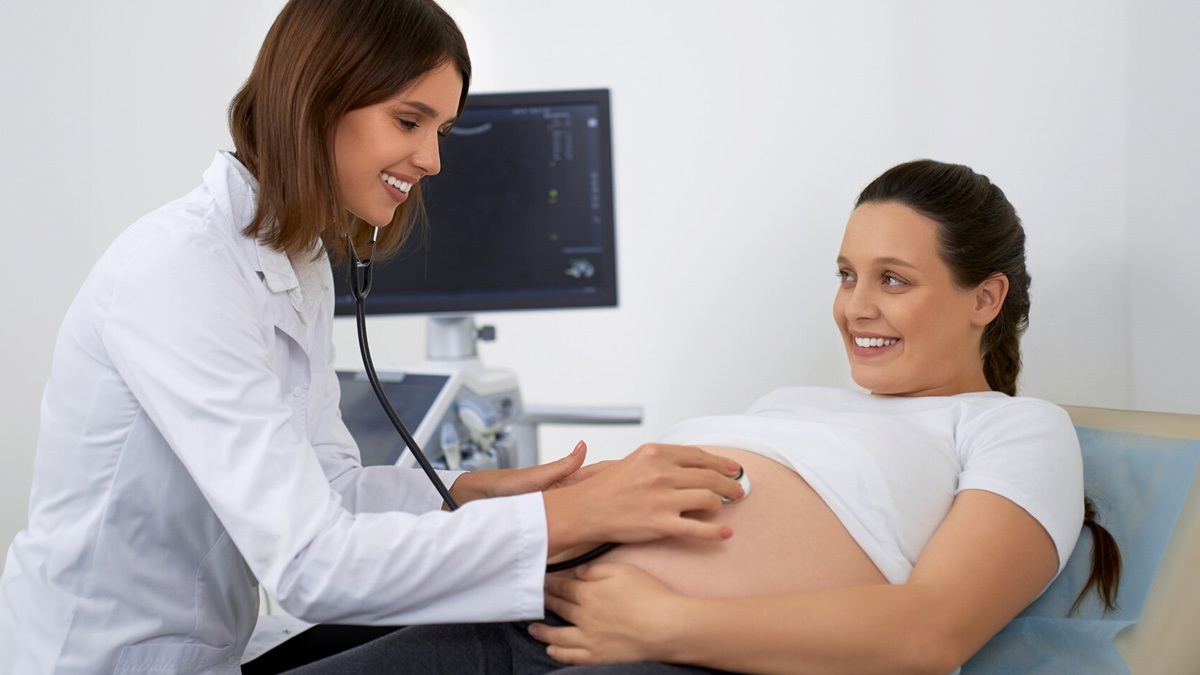
Dr Jain says that in most cases, breathlessness during pregnancy is a normal part of the body's remarkable adaptation to nurture a growing baby. “Regular prenatal check-ups allow healthcare providers to monitor both maternal and fetal health and identify any concerns early. If you ever feel that your breathlessness is worsening or different from what feels normal, do not hesitate to consult your obstetrician. Early assessment provides reassurance and ensures the safest possible pregnancy for both mother and baby,” concludes the expert.
ALSO READ- How Are Kidney Stones Treated During Pregnancy? Expert Explains Treatment, Risks, and What to Expect
Conclusion
To summarise, mild breathlessness is an uncomfortable way your body adapts to nurture new life during pregnancy. You can deal with it by practicing good posture, resting elevated, and trying gentle breathing exercises. However, reach out to your doctor if symptoms feel sudden, severe, or simply out of the ordinary.
FAQ
How to deal with shortness of breath in pregnancy?
There are different ways to deal with shortness of breath in pregnancy such as maintaining good posture, gentle exercises, and eating a balanced diet.When to worry about shortness of breath?
Shortness of breath (dyspnea) is a warning sign that needs immediate attention if it comes on suddenly, is severe, or interferes with daily life.
All possible measures have been taken to ensure accuracy, reliability, timeliness and authenticity of the information; however Onlymyhealth.com does not take any liability for the same. Using any information provided by the website is solely at the viewers’ discretion. In case of any medical exigencies/ persistent health issues, we advise you to seek a qualified medical practitioner before putting to use any advice/tips given by our team or any third party in form of answers/comments on the above mentioned website.
How we keep this article up to date:
We work with experts and keep a close eye on the latest in health and wellness. Whenever there is a new research or helpful information, we update our articles with accurate and useful advice.
-
Current Version
Jul 02, 2026 15:18 IST
Modified By : Shruti Das Jul 02, 2026 15:18 IST
Modified By : Shruti DasJul 02, 2026 15:18 IST
Published By : Shruti Das
Reviewed By : Dr Chetna Jain