
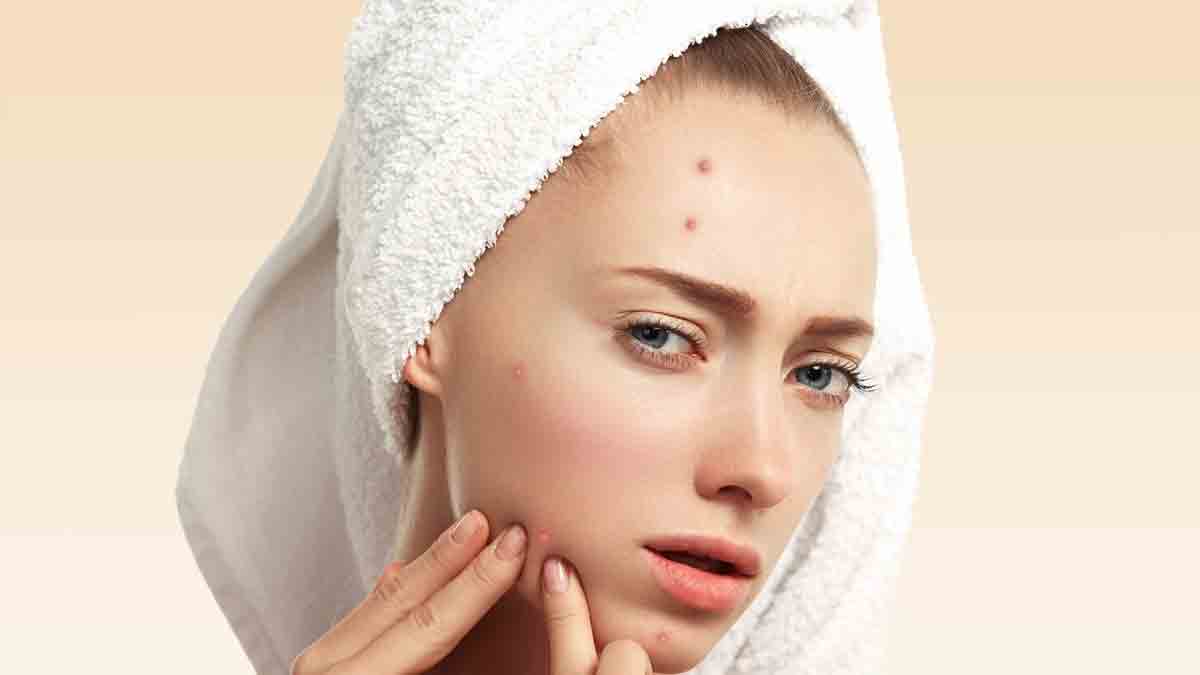
Pimples are one of the most common skincare issues faced by adults. They are caused when pores get clogged with excess oil and dead skin cells. Many people are always on the lookout for effective remedies to deal with these painful and unaesthetic bumps on the face. In such a scenario, pimple patches often come to the rescue. These are small adhesive stickers that are designed to protect and treat pimples. But are they really effective? How do they function? This article will explain all this, and more, for you.
To understand this better, we reached out to Dr Ruben Bhasin Passi, Consultant, Dermatology, CK Birla Gurgaon.
Do Pimple Patches Really Work?
We will begin by addressing the main point: are pimple patches actually effective, as in do they really pull out the pus from them? Answering this, Dr Passi says, “Anyone who has peeled off a pimple patch and found it dotted with a white, cloudy residue has probably felt a small thrill of satisfaction, convinced they've just watched their spot's contents get physically sucked out. It's a satisfying idea. It's also not quite what's happening.”
The expert explains, “The takeaway isn't that pimple patches are a gimmick. They're a legitimate, dermatologist-approved tool for faster, cleaner healing. The myth worth retiring is the idea that they're vacuuming impurities out from deep within the skin. The truth is less dramatic, but arguably more useful to understand, because it changes how and when the patches should actually be used.”
A 2024 clinical study, published in The Journal of the American Academy of Dermatology, examined whether pimple patches are actually effective for treating facial acne or not. Forty one participants, aged between twelve and thirty-five, who had active inflammatory pimples took part in the study. To test the efficacy of pimple patches, researchers compared two different treatment methods over a time period of 14 days. One group washed their faces with a gentle cleanser, while the other one used the cleanser along with hydrocolloid acne patches.
 pimple patch 1
The final results depicted that the participants who were using the patches experienced significantly faster and better healing, than the ones who only used a cleanser. The patches were successful in reducing the redness, overall size, and raised elevation of the pimples.
The study also noted that the patches function by absorbing trapped fluid and pus from the blemish to form a soft, protective gel. This absorption process creates a moist healing environment. This physically blocks out dirt, outside bacteria, and the urge to pick at the acne. By acting as a protective shield, these small stickers accelerate tissue repair and significantly lower the risk of permanent acne scarring. To summarise, the study confirmed that pimple patches are effective.
How Pimple Patches Function
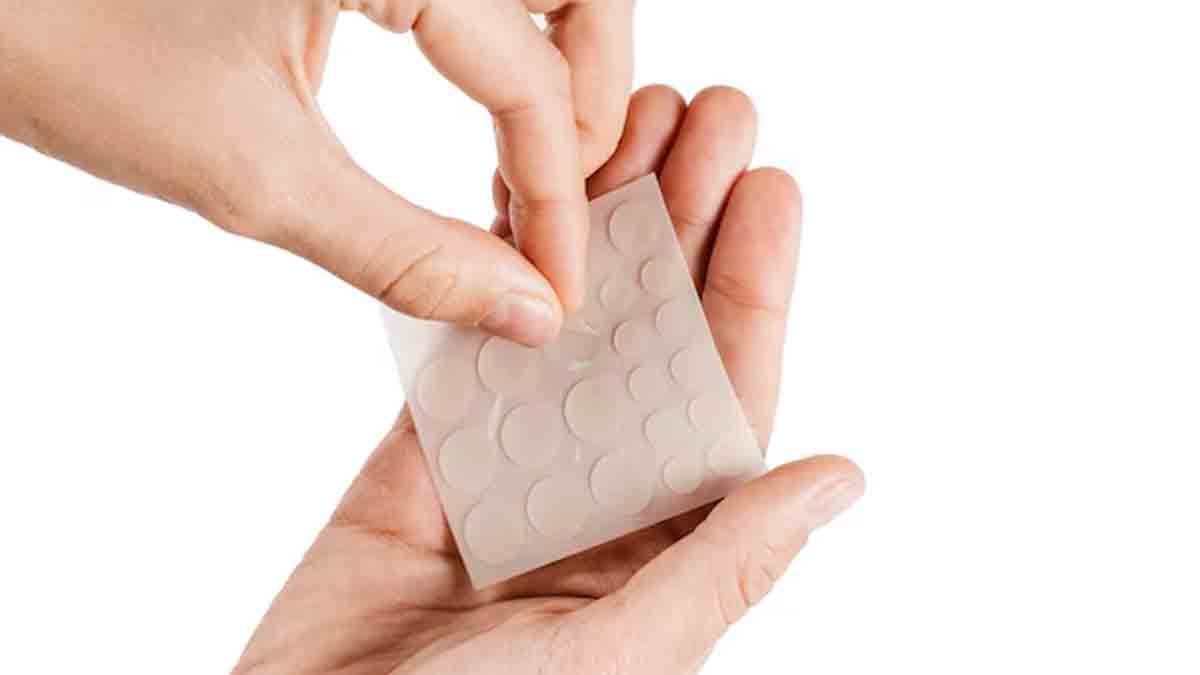
To dive deeper into why this happens, you need to understand how pimple patches function. Dr Passi explains, “Most of these patches are made from hydrocolloid, a material originally developed for wound care in hospitals. They are used to help serious wounds such as ulcers and burns; they are healed by keeping them moist. When placed over a popped or open pimple, hydrocolloid works by absorbing excess fluid, oil, and moisture from the surface of the skin. That white residue people mistake for extracted pus is largely a mixture of absorbed fluid and the hydrocolloid material itself breaking down slightly as it does its job.”
 pimple patch 2
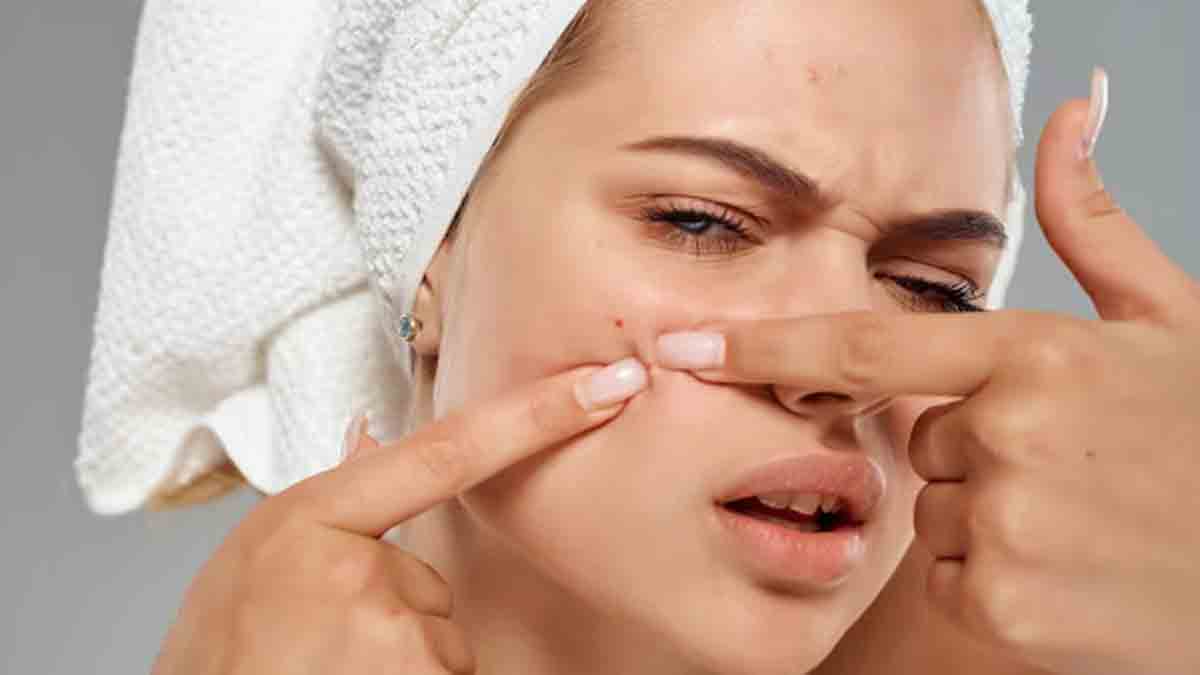
The expert further explains, “Here's the important distinction: hydrocolloid patches are genuinely effective, but not because they reach into a pore and pull anything out from beneath the skin. They don't have suction power. What they actually do is create a moist, sealed environment over an already-open or popped blemish, which helps draw out surface fluid, prevents the wound from drying into a hard scab, and crucially, stops fingers from picking at it. Given that repeated touching and picking is one of the biggest causes of scarring and prolonged healing, this alone makes the patches worthwhile.”
ALSO READ- Can You Get Acne From Kissing Someone With Pimples? A Dermatologist Explains
When Are Pimple Patches The Most Effective?
Dr Passi says that dermatologists are fairly consistent on this point: hydrocolloid patches work best on pimples that have already come to a head or been popped, not on deep, unopened cystic acne.
She adds, “On a closed or cystic spot, there's no open wound for the patch to interact with, so it has little to absorb and offers mostly a protective barrier rather than any dramatic extraction effect.”
“Some patches now include added ingredients such as salicylic acid or tea tree oil, which do have genuine anti-inflammatory or exfoliating properties, but the ‘pulling’ sensation that people describe is still not suction, its absorption paired with the acids gently breaking down surface debris,” concludes Dr Passi.
 pimple patch 3
Conclusion
To summarise, pimple patches are a highly effective, as well as dermatologist-approved, tool for managing active breakouts. However, they need to be used correctly on blemishes that have already come to a head. These adhesive stickers make use of hydrocolloid technology. By doing so, it absorbs surface fluids and creates a protective barrier that significantly accelerates the healing process. These patches also prevent the urge to pick at your skin. Therefore, adding them to your skincare routine is a smart, and scientifically backed method to reduce redness, minimise irritation, and lower the risk of permanent acne scarring.
FAQ
Do dermatologists actually recommend pimple patches?
Yes, dermatologists recommend pimple patches as a targeted spot treatment.Is it better to pop a pimple or use a patch?
Using a pimple patch is almost always a better option.
All possible measures have been taken to ensure accuracy, reliability, timeliness and authenticity of the information; however Onlymyhealth.com does not take any liability for the same. Using any information provided by the website is solely at the viewers’ discretion. In case of any medical exigencies/ persistent health issues, we advise you to seek a qualified medical practitioner before putting to use any advice/tips given by our team or any third party in form of answers/comments on the above mentioned website.
How we keep this article up to date:
We work with experts and keep a close eye on the latest in health and wellness. Whenever there is a new research or helpful information, we update our articles with accurate and useful advice.
-
Current Version
Jul 17, 2026 18:33 IST
Published By : Shruti Das
Reviewed By : Dr Ruben Bhasin Passi