
Washing your hands is one of the simplest ways to reduce the spread of infections. Yet many people rush through it, spending only a few seconds under the tap before eating, cooking or returning home. Global Handwashing Day, observed on 15 October every year, highlights why this everyday habit matters.
But is a quick rinse enough to remove germs? Not really. A five-second rinse may remove some dirt, but effective handwashing needs soap, thorough scrubbing and at least 20 seconds of cleaning. The areas you wash and how well you dry your hands also matter more than you may realise.
Why Is A 5-Second Handwash Not Enough?
A quick rinse can wash away some dirt, but it may leave germs behind, particularly in areas that water does not reach easily.
Prof Dr SM Fayaz, Lead and Senior Consultant, Internal Medicine, KIMS Hospitals, Mahadevapura says, “No. A 5 second rinse mostly wets your hands. It does not remove germs well. What cleans your hands is soap, friction and time, working together. Skip one of these and the wash does much less.”-1791978360815.webp) 5 second handwash
5 second handwash
A 2021 IJERPH study compared different hand-cleaning methods. It found that washing with soap and water for 20 seconds was the most effective method tested when hands were dirty or greasy. A five-second rinse removed some dirt, but that does not mean it removes germs well enough to prevent infection.
The distinction matters because hands can look clean while still carrying microorganisms that cause illness. The aim is not simply to remove visible dirt. It is to reduce the germs that can spread from your hands to food, your face and other people.
ALSO READ- Can Washing Your Face With Hot Water Cause Early Ageing? Dermatologist Weighs In
How Long Should You Wash Your Hands?
The US Centers for Disease Control and Prevention (CDC) recommends scrubbing hands with soap for at least 20 seconds. The World Health Organization (WHO) describes a complete handwashing routine, including wetting, lathering, rinsing and drying, as taking around 40 to 60 seconds.
Twenty seconds is roughly the time it takes to hum Happy Birthday twice.
Prof Dr SM Fayaz explains that soap, friction and time work together. Soap loosens dirt and germs from the skin, while rubbing helps lift them from the surface. Running water then rinses them away.
Which Parts Of Your Hands Do You Often Miss?
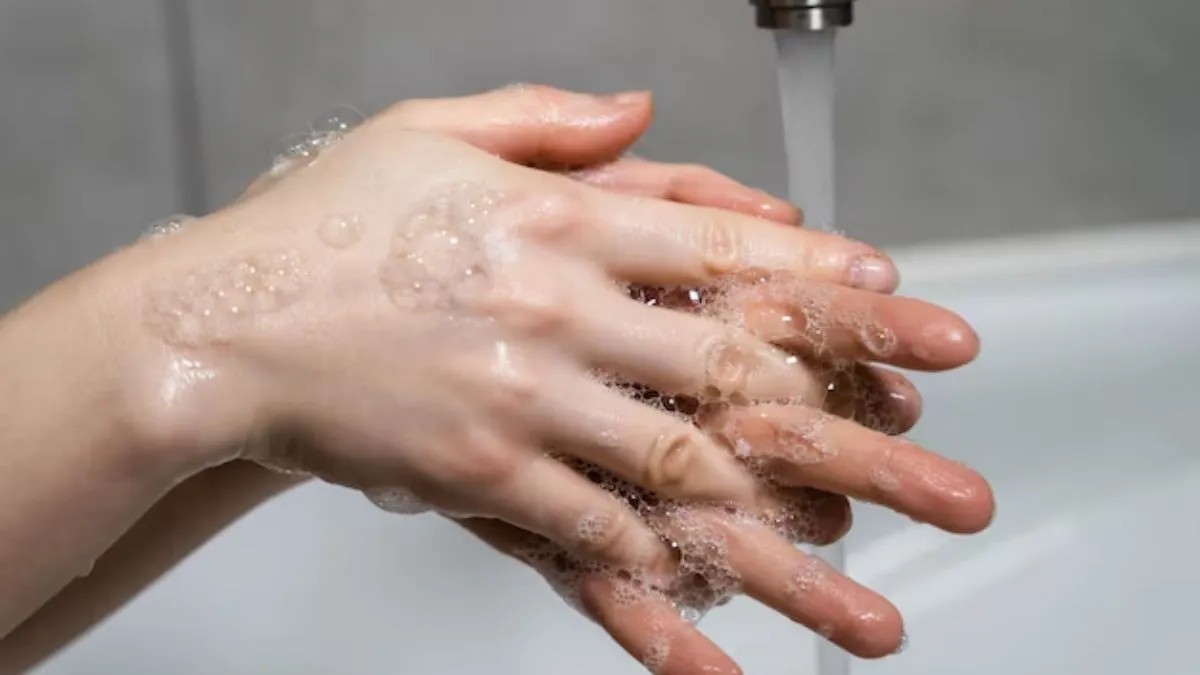
Most people instinctively rub their palms together and rinse. But germs can remain in areas that receive less attention.
Pay particular attention to:
- Between the fingers: Interlace your fingers and rub them together.
- Thumbs: Wrap one hand around the opposite thumb and rotate while scrubbing.
- Fingertips and nails: Rub your fingertips against the opposite palm.
- Backs of the hands: Rub each hand with the opposite palm.
- Wrists: Clean them if they may have been exposed to dirt or contamination.
 handwash
The CDC's handwashing guidance specifically recommends cleaning the backs of the hands, between the fingers and under the nails. These steps help ensure that you do not leave out areas while rushing through your routine.
Does Soap Matter More Than Water Temperature?
Both soap and scrubbing matter. Plain soap is sufficient for routine handwashing at home. You do not need antibacterial soap for everyday use.
Soap helps loosen oils, dirt and germs from the skin. Rubbing spreads the lather across the hands, and rinsing removes what has been lifted away. Water alone is less effective, especially when your hands are greasy or visibly dirty.
Warm water is not essential. The CDC says warm and cold water remove similar numbers of germs when used with soap. Choose a temperature that feels comfortable. Very hot water can dry and irritate your skin without making your hands cleaner.
Why Drying Your Hands Is Part Of Handwashing
Cleaning your hands does not end when you turn off the tap. You should dry them thoroughly with a clean towel or paper towel.
Wet hands can transfer germs more easily than dry hands. A damp, shared towel may also become contaminated, so wash household hand towels regularly and replace them when they become dirty.
When Should You Use Hand Sanitiser Instead?
If soap and clean running water are unavailable, use an alcohol-based hand sanitiser containing at least 60% alcohol. Apply enough product to cover both hands, including the fingertips, thumbs and spaces between the fingers. Rub until your hands are dry, which usually takes around 20 seconds.
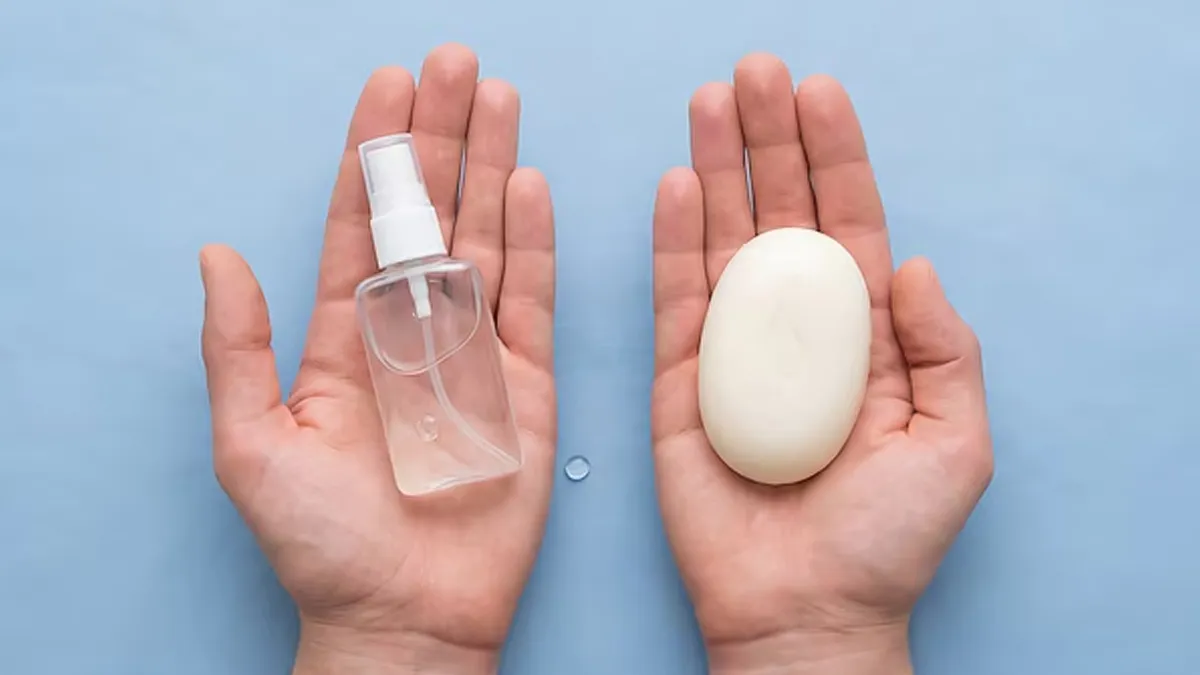
However, sanitiser is not a replacement for washing in every situation. It works less effectively on visibly dirty or greasy hands. Soap and water are also better at removing certain germs, including norovirus, which causes vomiting and diarrhoea, and Clostridioides difficile, which can cause severe diarrhoea.
The CDC recommends washing your hands with soap and water after using the toilet and before eating. It is also important to wash before preparing food, after changing a nappy, after handling rubbish, and after coughing, sneezing or blowing your nose.
Can Proper Handwashing Really Prevent Illness?
Yes. Handwashing helps reduce the spread of infections, including diarrhoeal illnesses and respiratory infections such as colds and flu.
A systematic review published in BMC Public Health examined research on hand hygiene interventions and the spread of coronavirus and influenza in community settings. The authors reviewed evidence from studies published between 2002 and February 2022. Their findings supported hand hygiene as an important prevention measure, although the evidence varied across interventions and settings.
This does not mean handwashing prevents every infection. It is one part of staying healthy, alongside food safety, appropriate vaccination and other recommended precautions.
The Right Way To Wash Your Hands
Follow these steps whenever you need a proper handwash:
- Wet your hands with clean running water.
- Apply enough soap to cover all surfaces.
- Rub your palms together.
- Scrub the backs of both hands and between your fingers.
- Clean your thumbs, fingertips and under your nails.
- Continue scrubbing for at least 20 seconds.
- Rinse thoroughly under running water.
- Dry your hands completely with a clean towel or paper towel.
Frequent washing can dry your skin, especially if you use harsh products. Apply a moisturiser if your hands become dry or irritated. If you develop persistent redness, painful cracks, swelling or blisters, seek medical advice.
ALSO READ- Can Over-Cleansing Damage Your Skin Barrier? Dermatologist Explains
Conclusion
With all that being said, a five-second rinse is better than doing nothing, but it should not be mistaken for proper handwashing. Soap, at least 20 seconds of scrubbing, attention to often-missed areas and thorough drying make the difference. This Global Handwashing Day, focus less on getting your hands wet and more on cleaning them properly.
FAQ
Should You Wash Your Hands Before Touching Your Face?
It is a good habit, particularly before touching your eyes, nose or mouth. Hands can pick up germs from phones, door handles, money and shared surfaces. Washing them before touching your face can reduce the chance of transferring those germs.Can Washing Your Hands Too Often Damage Your Skin?
Yes. Frequent washing, harsh soaps and very hot water can strip the skin of moisture, leading to dryness, irritation and cracks. Use a gentle soap, avoid excessively hot water and apply moisturiser after washing when needed. If the irritation persists, consult a healthcare professional.
All possible measures have been taken to ensure accuracy, reliability, timeliness and authenticity of the information; however Onlymyhealth.com does not take any liability for the same. Using any information provided by the website is solely at the viewers’ discretion. In case of any medical exigencies/ persistent health issues, we advise you to seek a qualified medical practitioner before putting to use any advice/tips given by our team or any third party in form of answers/comments on the above mentioned website.
How we keep this article up to date:
We work with experts and keep a close eye on the latest in health and wellness. Whenever there is a new research or helpful information, we update our articles with accurate and useful advice.
-
Current Version
Oct 14, 2026 17:25 IST
Modified By : Vivek Kumar Oct 14, 2026 17:25 IST
Published By : Vivek Kumar
Reviewed By : Prof Dr S M Fayaz