
Preparing clothes for a newborn often comes with a long list of things parents are told to buy. But one question can cause confusion: should a baby wear only new clothes, or are old and hand-me-down clothes safe?
The answer is less about whether a garment is new and more about its cleanliness and condition. Previously worn baby clothes can be hygienic when they have been washed properly and stored in suitable conditions. So, new does not automatically mean more hygienic. For newborn clothes, washing, drying, storage and fabric condition matter more.
Are Old Or Hand-Me-Down Clothes Safe For Newborns?
“Yes, provided they are clean and in good condition. There is no general requirement that a newborn must wear only new clothes,” explains Dr Somalika Pal, Senior Pediatrician and Neonatologist at Cloudnine Group of Hospitals Kailash colony, New Delhi.
The NHS recommends having enough baby clothes to keep a newborn warm and clean, but does not say that these clothes need to be newly purchased. It also suggests cotton or wool rather than nylon for some baby clothing.
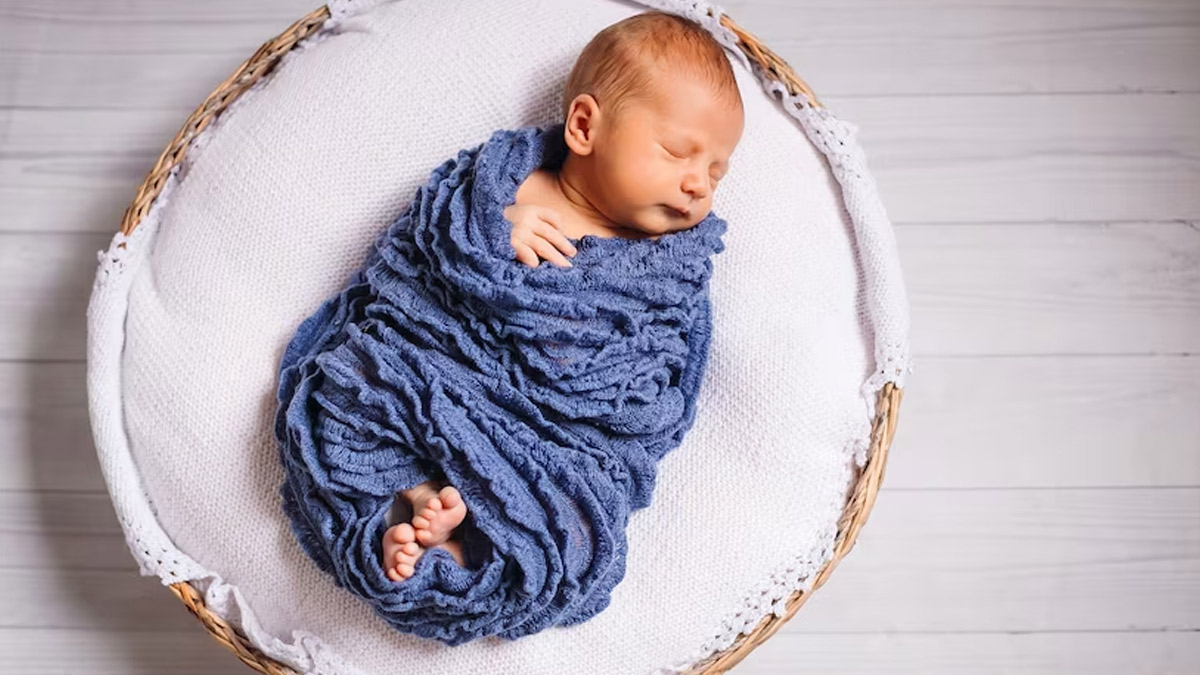
This makes hand-me-downs a reasonable option, provided parents inspect them before use.
A previously worn garment should ideally be:
- Clean and completely dry
- Free from mould or a musty smell
- Soft and comfortable against the skin
- Free from loose threads and damaged fasteners
- In good condition without excessive wear
- Appropriate for the baby's size and the weather
“However, the need to use natural fabrics rather than synthetic needs to be emphasised,” Dr Pal adds.
Why Should Old Baby Clothes Be Washed Before Use?
Even if clothes look clean, they may have been stored for months or years. Dust, body oils, detergent residue and moisture can accumulate during storage.
“Newborn skin is delicate, so clothes that have been stored for a long time or previously worn should be washed before putting them on the baby,” says Dr Pal.
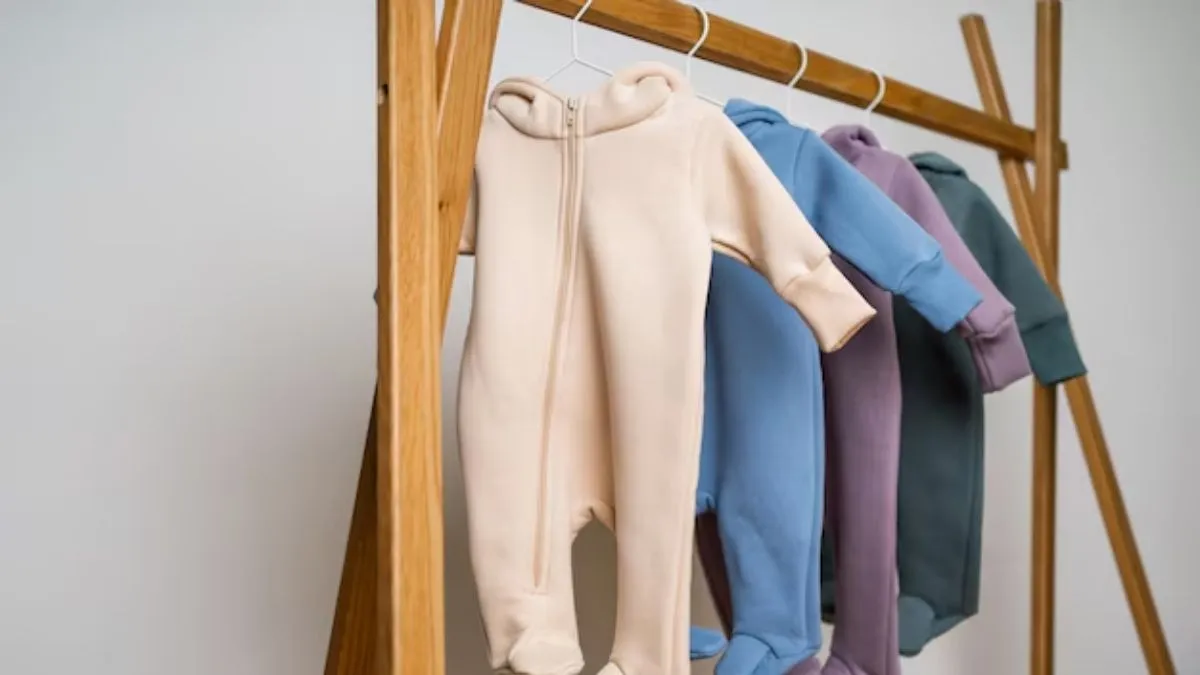 cloths for newborn
The American Academy of Pediatrics also recommends washing baby clothes before use because parents may not know who has handled them previously. The important point is that washing does not need to mean aggressive cleaning. Parents do not usually need to disinfect every garment or use harsh chemicals.
The NHS says there is no evidence that biological washing powders or fabric conditioners necessarily irritate a baby's skin, although some babies can have sensitive skin.
A simple approach is to:
- Wash the clothes according to the care label.
- Use a suitable detergent.
- Rinse properly.
- Dry the clothes completely before storing or dressing the baby.
ALSO READ- Is Air Conditioning Safe for a Newborn? Takeaway For Parents
Is Newborn Skin More Sensitive To Old Clothes?
The concern is not really that the clothes are old. It is that newborn skin is still developing. A 2022 Pharmaceutics review on infant skin barrier function found that “the skin barrier of newborns continues to develop with age.” The review noted that infant skin becomes progressively more similar to adult skin as it matures.
Another 2022 Allergy Asthma Immunol Res. review of neonatal skin biology found that the skin barrier continues to change during the first few months after birth. The researchers described differences in the newborn skin barrier compared with adult skin.
This is why clothing should be clean, soft and comfortable, regardless of whether it is new or previously worn.
Dr Pal explains, “The focus should be on clean, soft and breathable clothing, rather than simply choosing something because it is new.”
What Should Parents Check Before Using Hand-Me-Downs?
Not every old garment should automatically be passed on to a newborn.
Before using it, check for:
- Mould: Do not use clothes with visible mould or a persistent musty smell.
- Loose threads: These can become a safety concern.
- Broken buttons or fasteners: Small detachable parts should be avoided.
- Damaged elastic: Stretched or deteriorated elastic may make the garment uncomfortable.
- Rough seams: These can rub against delicate skin.
- Heavy staining: If a garment cannot be properly cleaned, it is better discarded.
- Excessive wear: Very thin or damaged fabric may not provide adequate protection.
Storage also matters. Clothes kept somewhere damp are more concerning than clothes that have simply been worn before.
Can Previously Worn Clothes Cause A Skin Reaction?
Not simply because they are old. However, residues from detergents, fragrances or fabric products can sometimes irritate sensitive skin. Dust and mould from poor storage may also be a concern.
A 2023 Pediatric Health Med Ther. study consensus on newborn skincare emphasised that appropriate products and practices are important because neonatal skin is still developing. The recommendations highlighted the importance of products formulated appropriately for newborns and maintaining skin barrier integrity.
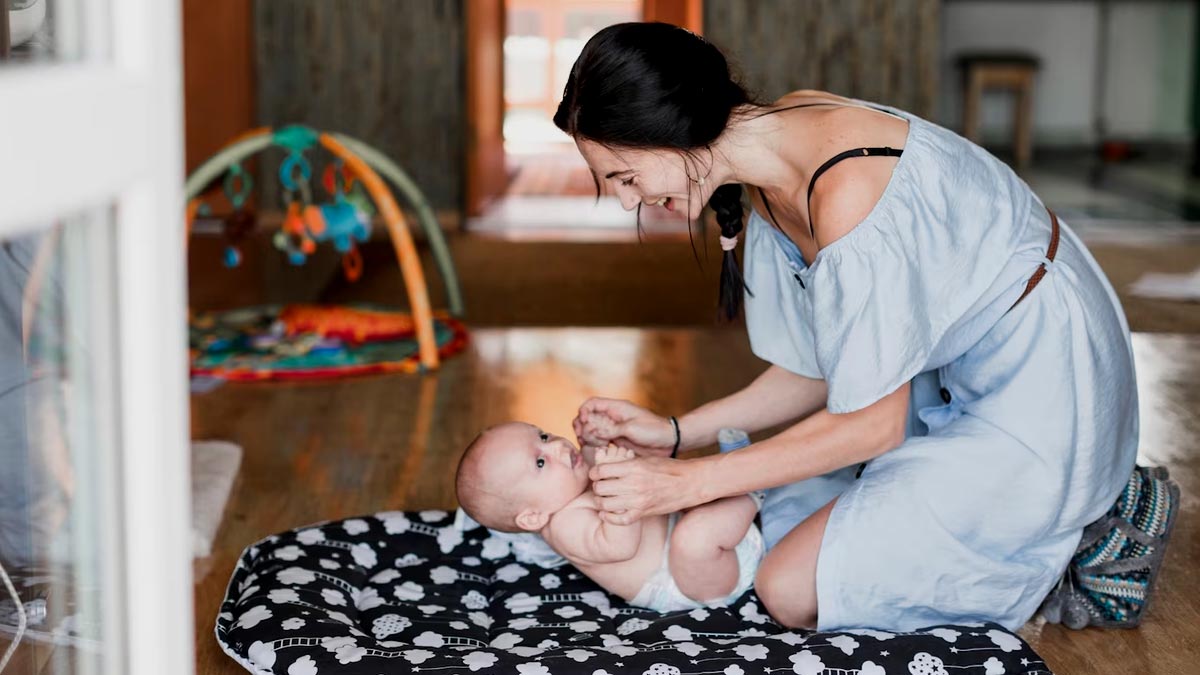
If a baby develops redness, irritation or a rash after wearing a particular garment, take it off and see whether the reaction settles. Persistent or significant skin changes should be discussed with a paediatrician.
What About Clothes From A Baby Who Was Unwell?
This requires special care. Thoroughly wash clothes before use if soiled with bodily fluids or if a child has an infectious disease.
Dr Pal states that, "If there is significant contamination from bodily fluids, an infected illness or if the clothes are stored poorly, wash them thoroughly before reusing them. If you are not sure that they can be cleaned properly, do not re-use them."
Parents should also refrain from wearing clothes that can still be seen as they have been contaminated or have become mouldy or damaged by washing.
Can Soft, Old Cotton Clothes Actually Be A Good Choice?
They can. "Repeated washing may make some cotton garments softer, which can make them comfortable for a newborn. Lightweight cotton is also breathable and can be useful in warm weather," say Dr Pal.
This does not mean older cotton clothes are automatically better. Their advantage is simply that a soft, clean and breathable fabric can be comfortable against newborn skin.
Does Every Newborn Need Brand-New Clothes?
No. The NHS actually states that all of the items for a newborn baby don't have to be brand new and that second-hand baby clothing is acceptable.
So, this is not some hygiene rule that states that parents have to purchase a whole new set of clothes.
Dr Pal explains that babies grow so rapidly that hand-me-downs can be useful for items that may be used for a relatively brief time, after all. The difference is between old and unhygienic. Those two are not synonymous.
What Is The Safest Way To Use Hand-Me-Down Baby Clothes?
Dr Pal says, “Newborns do not need brand-new clothes for hygiene. Cleanliness, proper washing, good storage and the condition of the garment matter much more than whether the clothes were bought new.”
Before putting a previously worn garment on a newborn:
- Check it carefully for mould, damage and loose parts.
- Wash it according to the care instructions.
- Make sure it is completely dry.
- Store it somewhere clean and dry.
- Check that it feels soft and comfortable before dressing the baby.
ALSO READ- Why Is Honey Dangerous for Babies Under 12 Month? Here Is What Experts Suggest
Conclusion
Hand-me-down clothes can be hygienic for newborns. Being previously worn does not make clothing unsafe by itself. What matters is whether the garment has been properly washed, completely dried, stored well and checked for damage. Newborn skin is still developing, so soft and breathable fabrics are preferable.
As Dr Pal explains, “Hand-me-downs can be a practical option, but every previously worn garment should be checked and washed before the baby wears it.” For parents, the takeaway is simple, new is not necessarily cleaner. Clean and well-maintained is what matters.
FAQ
Should clothes for newborns be washed along with adult clothes?
Not necessarily. The most crucial factor is how the clothes are cleaned and what detergent is used for the baby's clothes. In case the baby's skin is particularly sensitive, parents may want to talk about having an alternative washing schedule.What should be done with baby clothes prior to the arrival of the baby?
Dampness and strong odours should be avoided when storing washed and completely dry clothes. Do not pack them away when only slightly damp as dampness can lead to mould growth and musty odours.
All possible measures have been taken to ensure accuracy, reliability, timeliness and authenticity of the information; however Onlymyhealth.com does not take any liability for the same. Using any information provided by the website is solely at the viewers’ discretion. In case of any medical exigencies/ persistent health issues, we advise you to seek a qualified medical practitioner before putting to use any advice/tips given by our team or any third party in form of answers/comments on the above mentioned website.

How we keep this article up to date:
We work with experts and keep a close eye on the latest in health and wellness. Whenever there is a new research or helpful information, we update our articles with accurate and useful advice.
-
Current Version
Sep 23, 2026 15:49 IST
Published By : Vivek Kumar
Reviewed By : Dr. Somalika Pal