
Honey is known as a natural and gentle food, and that's something that you feel you can do without causing harm to your fussy baby. However, that isn't the case with babies under one. Dr Abhishek and Dr Sonal Saste both flag honey as one of the few foods they specifically warn new parents to avoid entirely. The short answer: it's not the sweetness that's the problem. It's a rare but serious illness called infant botulism. Here's what's actually behind the warning, and what's safe to offer instead.
Why Is Honey Actually Dangerous for Babies?
According to Dr Abhishek Chopra, Senior Consultant, Department of Paediatrics and Neonatologist, Cloudnine Group of Hospitals, New Delhi, "Honey can sometimes contain spores of a bacterium called Clostridium botulinum are found in honey which can cause infant botulism. In older children and adults, the spores do not usually cause illness because the mature digestive system is better able to prevent them from growing."
In babies, especially infants less than one year old, "the digestive system is still developing. When the spores are swallowed, they multiply in the intestine and produce a strong toxin that interferes with the nerves that regulate muscle movement and may cause infant botulism.”
Dr Sonal Saste, Consultant Paediatrician, Surya Hospitals, Mumbai, adds a specific reason why infants are uniquely vulnerable: "An infant's developing gut does not yet have the same microbial environment as an older child or adult, and these spores can potentially multiply in the intestine and produce a neurotoxin."
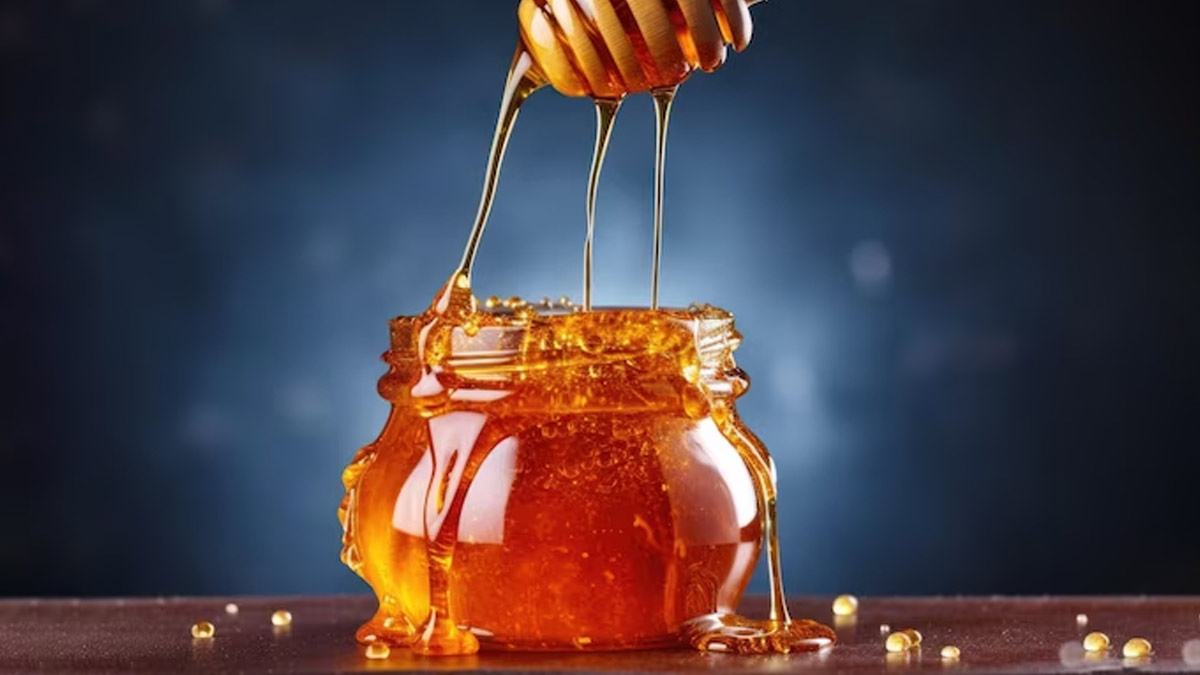
Both doctors are careful to add some reassurance. As Dr Abhishek puts it, "this does not mean that every jar of honey contains these spores or that every baby who accidentally tastes honey will become sick. Infant botulism is rare." But because honey offers no nutritional need for a newborn, avoiding it entirely remains the safest choice.
What Doctors Say About Honey and Newborns
Dr Abhishek explains the core issue plainly. "Honey may seem like a natural and harmless food, but it should never be given to babies below 12 months of age. This includes raw honey, processed honey, honey mixed with water or milk, and foods containing honey. The concern is not its sweetness, but the possibility of infant botulism, a rare but potentially serious illness."

Dr Sonal Saste echoes the same caution from her own practice. "Honey is often associated with immunity and good health, but it is one of the foods I specifically advise parents to keep away from children below one year. The concern is not only its sweetness or sugar content."
Recent global surveillance data backs up how seriously health authorities treat this risk. A review published in Paediatrics, the journal of the American Academy of Paediatrics, followed 2,943 confirmed cases of infant botulism from 2007 to 2021 in 18 countries, including the United States.
The strains of the bacterium that were responsible for the cases were of several different types: the majority were caused by type A toxin and type B toxin. The authors of the review conclude that infant botulism is a little-known disease around the world, perhaps not widely recognised in many areas because of the limited capacity for diagnosis, so there may be a higher burden of the disease than these confirmed cases indicate.
What Harm Can Infant Botulism Actually Cause?
Dr Saste flags a symptom that's easy to overlook: "One lesser-known key symptom is constipation, which may appear before parents notice obvious weakness." From there, the illness can progress in a fairly recognisable pattern. According to both doctors, symptoms include:
- Constipation, often the earliest sign
- Poor sucking or difficulty feeding
- A weak cry
- Reduced facial movement or drooping eyelids
- Loss of head control and marked floppiness
- Difficulty swallowing
As the disease advances, Dr Abhishek says the toxin may lead to muscles being affected that are used during swallowing and breathing. If severe, a baby might require hospitalisation and breathing assistance. If a baby becomes unusually weak, has feeding problems, has a weak cry, has constipation and weakness, or has breathing issues, parents should seek medical attention quickly.
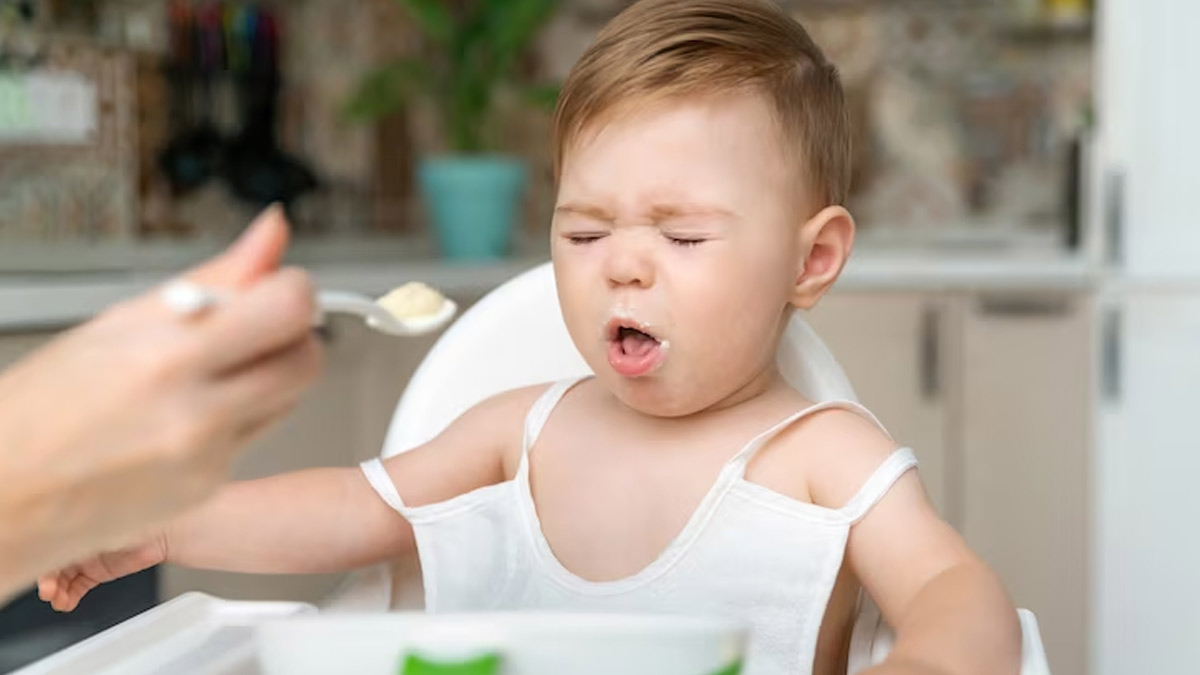
A separate global epidemiological review from PubMed found that honey remains the only consistently confirmed dietary source of infant botulism, with cases typically appearing in babies around 3 to 4 months old, and mortality below 1% when infants receive prompt intensive care and specific treatment.
What You Can Give Instead of Honey?
For the earliest months, neither doctor sees any need to replace honey with anything at all. Dr Abhishek is clear: "For a newborn, there is no need to replace honey with another sweetener. During the early months, the baby's primary nutrition should be breast milk or appropriately prepared infant formula." Dr Saste agrees that "breast milk provides the nutrition they need in the early months of life."
Once complementary foods are introduced around six months, both doctors point to naturally sweet, age-appropriate options instead:
- Soft fruits and vegetables
- Cereals and other suitable weaning foods
- Mashed banana
- Pureed apple
As Dr Abhishek summarises, "Honey can be introduced after the baby turns one year old. The simplest rule for parents is: no honey before 12 months."
ALSO READ- Is Air Conditioning Safe for a Newborn? Takeaway For Parents
Conclusion
Honey feels like a small, harmless treat, but for a baby under one, it isn't worth the risk. The danger has nothing to do with sugar. It comes down to tiny bacterial spores that a newborn's gut isn't yet equipped to handle.
Thankfully, this risk is 100% preventable. Simply wait until your baby turns one, and there's nothing to worry about. Until then, breast milk, formula and other age-appropriate foods provide your baby with all the needed nutrition without the risk.
FAQ
1. Does cooking or baking with honey make it safe for babies under one?
No. Cooking or baking heat does not consistently kill the spores of Clostridium botulinum, and so honey in baked goods, sauces or cooked foods is still a danger and should not be used in infants under 12 months of age.2. Can honey in commercial baby food products be safe if it's pasteurised?
No. Pasteurisation is a process that is intended to destroy bacteria that will cause spoilage or common foodborne illnesses, but it is not always effective against Clostridium botulinum spores. Honey is a product that should be avoided in infants under 1 year, even in those that have been processed.
All possible measures have been taken to ensure accuracy, reliability, timeliness and authenticity of the information; however Onlymyhealth.com does not take any liability for the same. Using any information provided by the website is solely at the viewers’ discretion. In case of any medical exigencies/ persistent health issues, we advise you to seek a qualified medical practitioner before putting to use any advice/tips given by our team or any third party in form of answers/comments on the above mentioned website.
How we keep this article up to date:
We work with experts and keep a close eye on the latest in health and wellness. Whenever there is a new research or helpful information, we update our articles with accurate and useful advice.
-
Current Version
Sep 08, 2026 17:39 IST
Modified By : Vivek Kumar
Reviewed By : Dr Abhishek Chopra Sep 08, 2026 17:39 IST
Published By : Vivek Kumar