-1790689035150_m.webp)
Starting solid foods is a major milestone, but parents often wonder when it is safe to introduce meat and whether chicken or mutton might be too heavy for a baby. However, there is no medical requirement to delay meat for months after starting complementary foods.
Chicken and mutton can generally be introduced from around 6 months, provided the meat is prepared safely with the correct soft texture and served in small sizes to avoid any risk of choking. Here is what parents should know before putting meat on a baby's plate
When Can Babies Start Eating Chicken And Mutton?
Dr Somalika Pal, Senior Pediatrician and Neonatologist, Cloudnine Group of Hospitals, New Delhi explains, “Non-vegetarian food can generally be introduced from around 6 months, right alongside the start of complementary feeding, not months after. This surprises a lot of parents who assume meat should wait until much later.”
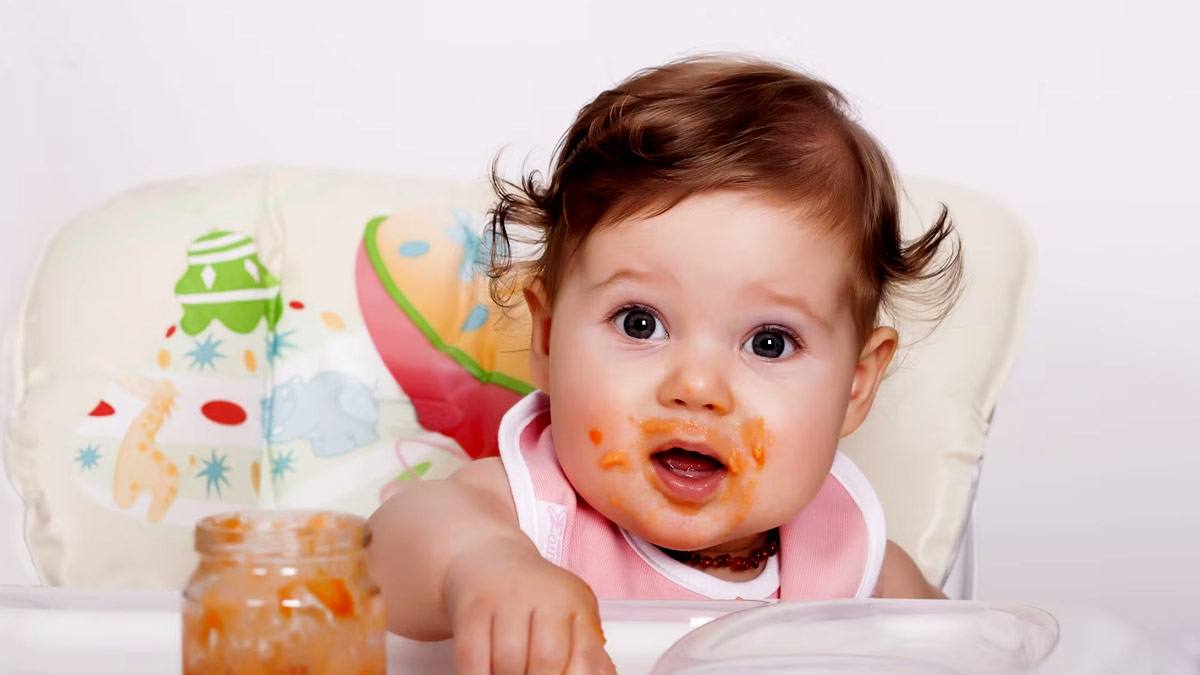
The World Health Organization (WHO) recommends starting complementary foods at around 6 months, while continuing breastfeeding. Its 2023 complementary feeding guideline recommends a diverse diet for children aged 6–23 months and includes animal-source foods such as meat, fish and eggs.
The baby should also show signs of readiness, such as good head and neck control, being able to sit with support and being able to swallow food rather than pushing it back out.
The CDC similarly recommends introducing foods other than breast milk or infant formula at about 6 months and says meat can be among the foods offered during this stage.
ALSO READ- Mustard Seed Pillow for Newborns: Things Parents Should Know About Babies’ Head Shape
Why Is 6 Months An Important Time For Meat?
Iron is one of the main reasons. Dr Pal says, “A baby's own iron stores, built up during pregnancy, start depleting significantly around 6 months, and meat is one of the most efficiently absorbed sources of iron available, more so than plant-based iron sources at this stage.”
The CDC also notes that babies need iron once they begin eating complementary foods. It also explains that haem iron from animal foods is absorbed more easily than non-haem iron from plant foods. Red meat, poultry and other animal foods can therefore contribute useful iron during this period.
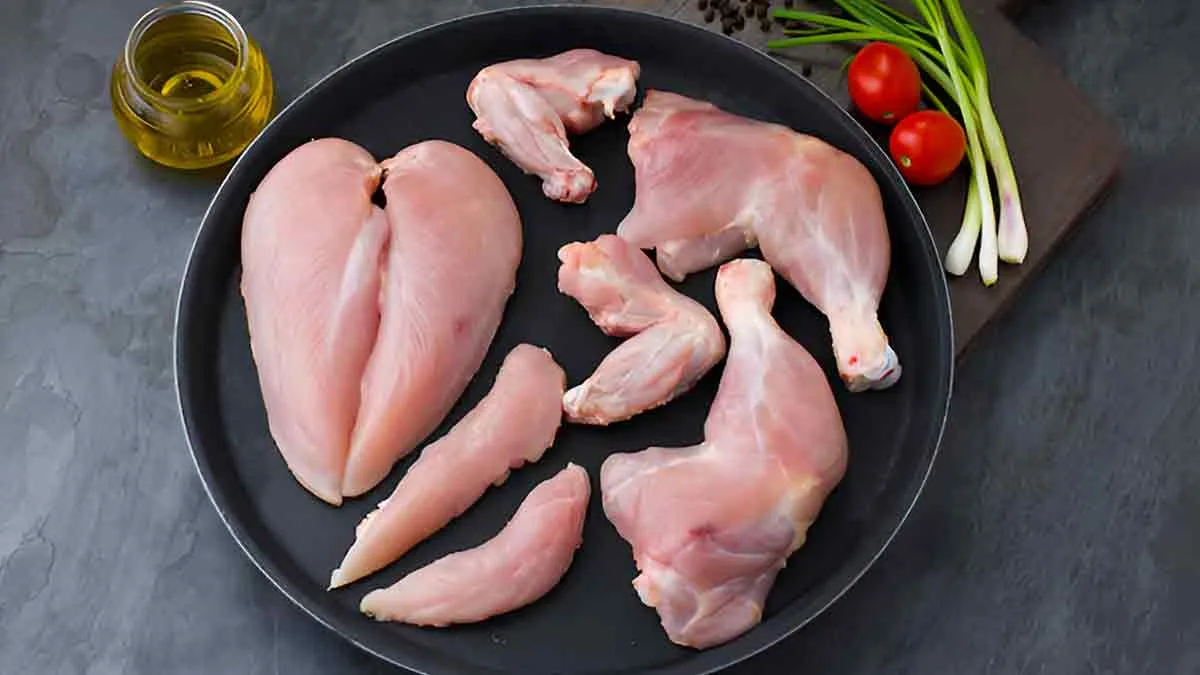
This does not mean meat is the only way to provide iron. Iron-fortified cereals, lentils, beans and tofu can also contribute. But the overall complementary diet should contain enough iron-rich foods.
Iron deficiency during infancy can affect development. The CDC notes that iron-deficiency anaemia in infants and children can be associated with learning difficulties.
Chicken vs Mutton: Is There a Difference in When to Introduce Them?
Not really according to any age, both can usually be added at 6 months, but there are some practical differences that Dr Pal points out.
- Chicken is usually softer and easier to puree or finely chop, and tends to be a slightly safer meat for many parents to prepare safely for their baby as a first food.
- Mutton, and other red meats, tends to have a denser, tougher texture, requiring more thorough cooking and processing to reach an appropriately safe, soft consistency for an infant.
Nutritionally, mutton and other red meats often contain even higher iron content than chicken, so it shouldn't be avoided or delayed out of an assumption that it's "heavier" or harder to digest, as long as texture and preparation are appropriate.
Start with whichever is more accessible and easier to prepare safely first, there's no clinical reason to strictly sequence chicken before mutton.
How Should Meat Actually Be Prepared and Introduced Safely?
Dr Pal gave a practical guidance:
- At 6 months offer a smooth well cooked puree or very finely minced foods, and as the baby learns to chew small soft pieces then.
- Cook meat to a proper degree of doneness, making sure there are no pink or undercooked areas, and no bones, gristle, or fatty, chewy areas that can cause choking.
- Don't introduce too much sodium as infants require very little, and initially don't add too many spices, instead add spice seasoning slowly.
- Introduce new food item by one at a time, including meat and wait a few days before introducing another to determine if there is any allergic response.
- Meat is introduced when the baby is developmentally ready for solids (around 6 months) they have good head and neck control and are able to sit up and be supported by you.
Are There Any Precautions or Groups That Need Extra Care?
According to Dr Pal, “Babies with a family history of food allergies should still generally have meat introduced around the standard timeline, since meat itself isn't among the most common allergenic foods.”
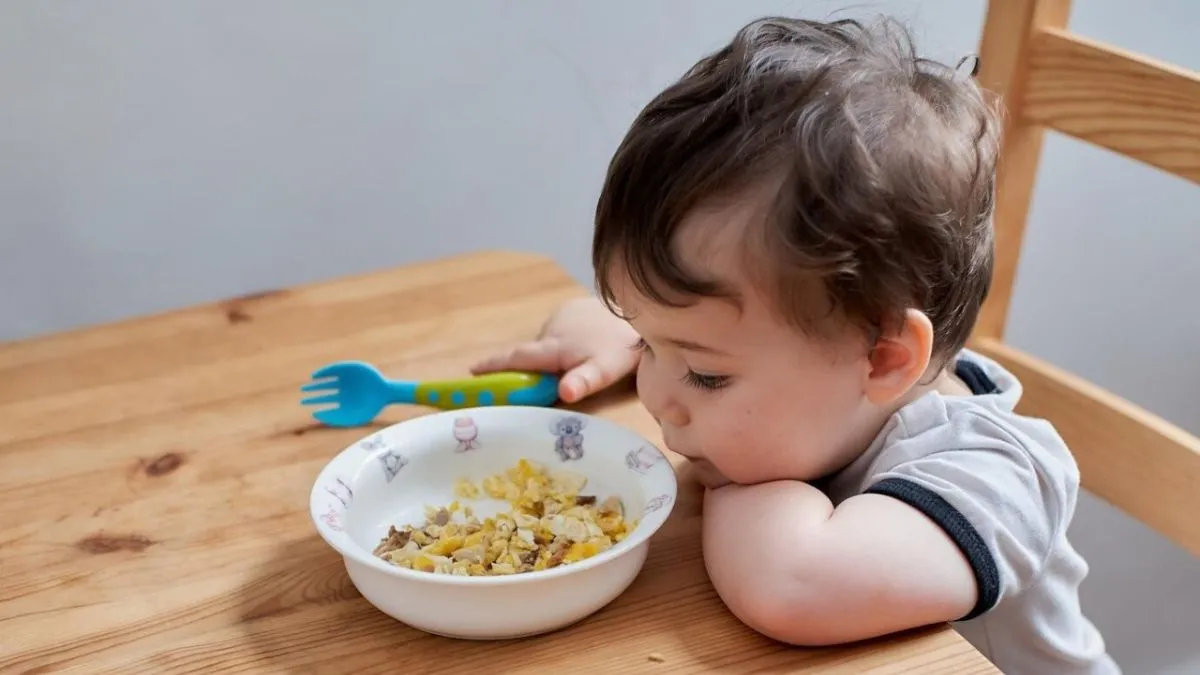
Meat should be sourced and stored properly, with good hygiene during preparation, since infants are more vulnerable to foodborne illness. Portion sizes at this stage are small, a tablespoon or two initially, gradually increasing rather than serving adult-sized portions.
If a baby has any underlying gut or metabolic condition, timing and introduction of any new food, including meat, should be guided specifically by their paediatrician.
ALSO READ- Are Old Clothes Safe For Newborn Babies? Things Parents Should Know About Hand-Me-Downs
Conclusion
Chicken and mutton are not particularly bulky or heavy, so there is no need to wait until they are 9 or 12 months old to serve it just because they're too big for a baby. Meat can be safely fed around 6 months of age when the baby is developmentally ready for complementary feeding, in a safe, soft and age-appropriate manner.
It should be safe to prepare, the right consistency, and introduced slowly, rather than put off because it is considered "too advanced" for a young baby.
FAQ
1. Can fish be introduced at the same age as chicken and mutton?
Yes, fish can typically be offered at the same time (around 6 months) as other animal source foods, but only after it is well-cooked, carefully deboned, and offered one at a time to see if there is any reaction.2. Is it better to use pureed meat prepared at home or pureed meat bought from the shop for babies?
Both are effective, but homemade purees provide a better opportunity for parents to control texture, salt intake and the quality of ingredients as well as eliminating the need for preservatives and added salt, whereas store-bought ones can be convenient if they are specifically made for infants.
All possible measures have been taken to ensure accuracy, reliability, timeliness and authenticity of the information; however Onlymyhealth.com does not take any liability for the same. Using any information provided by the website is solely at the viewers’ discretion. In case of any medical exigencies/ persistent health issues, we advise you to seek a qualified medical practitioner before putting to use any advice/tips given by our team or any third party in form of answers/comments on the above mentioned website.
How we keep this article up to date:
We work with experts and keep a close eye on the latest in health and wellness. Whenever there is a new research or helpful information, we update our articles with accurate and useful advice.
-
Current Version
Sep 29, 2026 19:08 IST
Modified By : Vivek Kumar Sep 29, 2026 19:08 IST
Published By : Vivek Kumar
Reviewed By : Dr. Somalika Pal