
Non-vegetarians often experiment with meat, be it grilling, roasting or pan frying. While meat is a great source of protein and essential nutrients, the method of cooking is also important. If you are wondering why, then let us tell you that overcooked meat may not be as healthy as you think. Deep-frying or charring meat can create unwanted compounds that are harmful for health. But does overcooked meat kill all of its nutritional value? This article will answer this for you.
To understand this better, we reached out to our expert, Ms Edwina Raj, Head of Services, Clinical Nutrition and Dietetics, Aster CMI Hospital, Bangalore.
Overcooking Meat: Does it Kill the Nutritional Value?
Let us straightaway get to the main point: is overcooked chicken less healthy? Ms Raj shares that overcooking meat does not completely destroy its protein or nutritional value. The expert adds, “However, prolonged cooking at very high temperatures can reduce some heat-sensitive nutrients, make the meat dry and tougher to digest. Cooking methods such as deep-frying or charring can create unwanted compounds, while gentle cooking such as simmering, pressure-cooking or slow-cooking can help retain nutrients and improve tenderness.”
The expert further explains, “The important point is that the protein in chicken remains largely available even after cooking. So, properly cooked chicken can be a good source of high-quality protein. However, the overall nutritional value depends on how it is prepared. If the chicken is made using moderate amounts of oil, vegetables and appropriate spices, then it is generally a better everyday option than heavily fried or charred meat. Avoid eating meat that is burnt or heavily blackened, and cook chicken thoroughly to a safe internal temperature.”
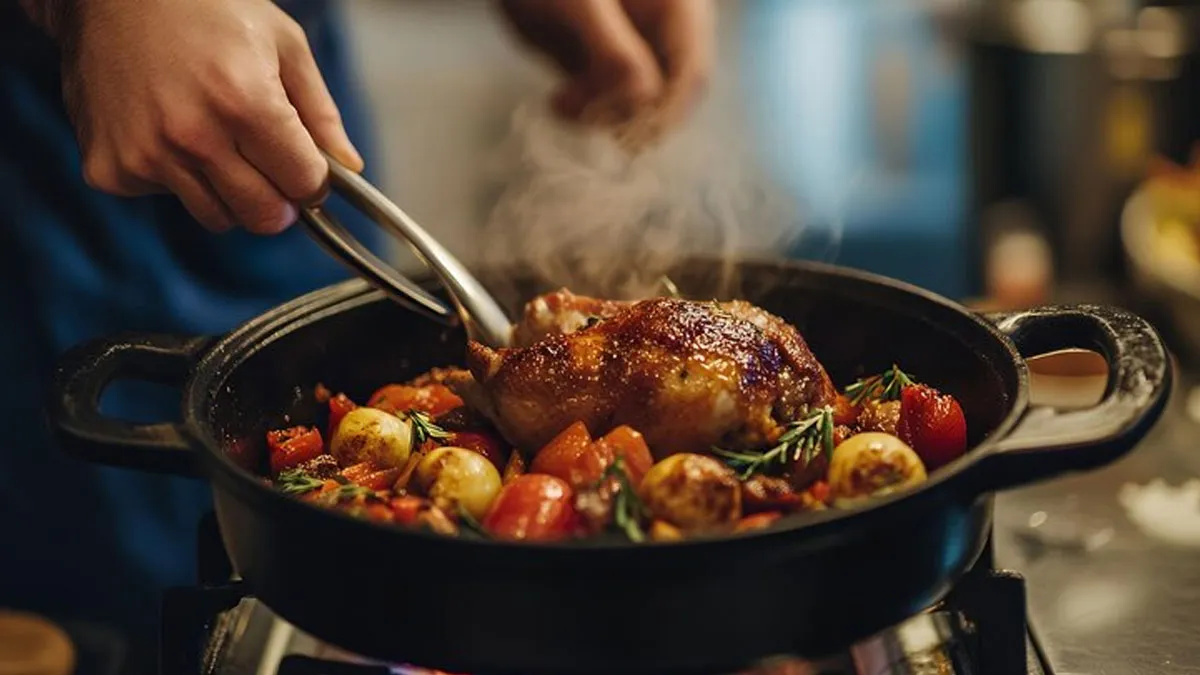 overcooked chicken 1
What Study Says About The Nutritional Value of Overcooked Meat
A 2009 study, in the journal Meat Science, states that cooked meat undergoes significant physical and chemical changes. This directly impacts its nutritional value. This study examined different cuts of beef, pork, and veal to see exactly how heating changes their nutrient levels.
The researchers discovered that cooking meat naturally causes it to lose a substantial amount of its overall fat content. Along with this, several essential minerals such as calcium, potassium, magnesium, and sodium also reduce during the cooking process.
But the study notes that not all minerals vanish due to overcooking. Iron and zinc levels actually became more concentrated in certain cooked beef cuts. However, the most drastic change of heat is on the meat's vitamin content. This suffers the biggest blow.
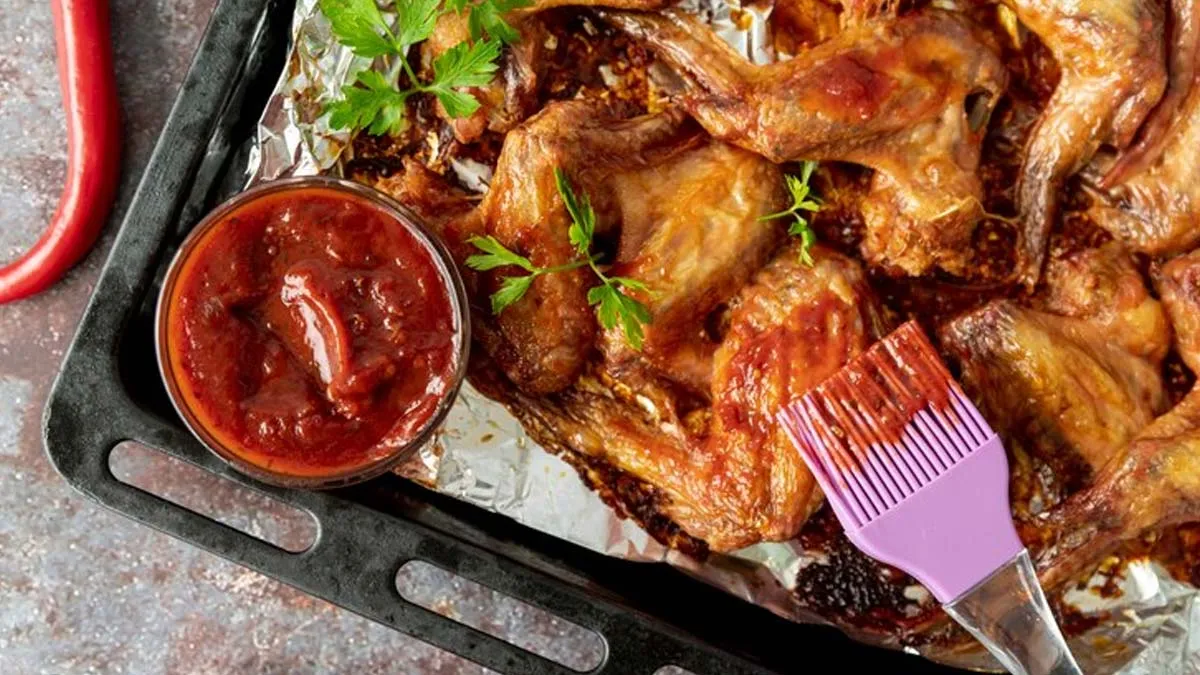 overcooked chicken 2
The research found out that every single vitamin measured in the meat minimises after it was cooked. Thiamine (a crucial B-vitamin for energy) was especially affected, with losses ranging from 73% up to a complete 100% wipeout.
This finding strongly states that overcooking or using intense, prolonged heat on meat can strip away its delicate, heat-sensitive vitamins. While cooking meat is necessary for food safety, the research concludes that heat does indeed ‘kill’ off a large portion of its original vitamins and minerals.
What Are The Dangers of Overcooking Meat?
According to the Cleveland Clinic, when beef, pork, fish or poultry is cooked using high-temperature methods like pan frying or grilling directly over an open flame, they form chemicals called heterocyclic amines (HCAs) and polycyclic aromatic hydrocarbons (PAHs). HCAs and PAHs alter DNA that may increase your risk for cancer.
Meats that are cooked at high temperatures, especially above 300 degrees Fahrenheit (such as grilling or pan frying), or are cooked for a long time may form more HCAs. For instance, well done, grilled or barbecued chicken and steak all contain high concentrations of HCAs. Cooking methods that expose meat to smoke or charring leads to PAH formation.
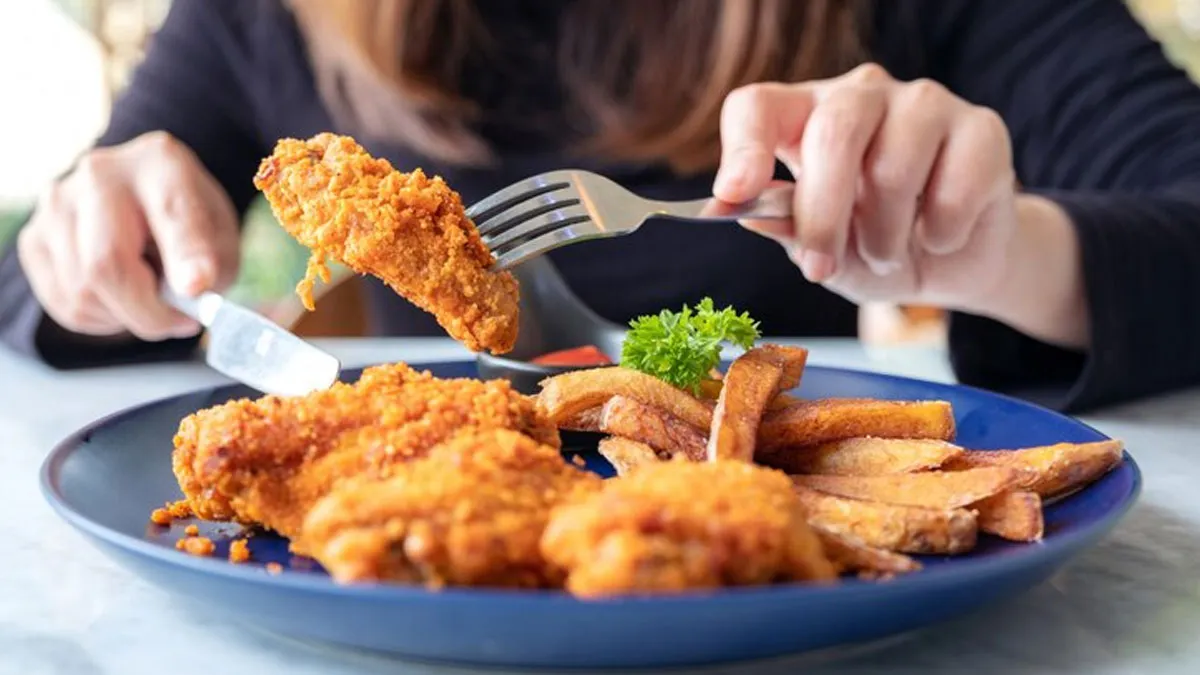 overcooked chicken 3
According to the National Cancer Institute, there are different methods for reducing your risk of exposure to HCAs/PAHs, such as:
- Avoid prolonged cooking (especially at high temperatures).
- Use a microwave oven to cook meat before exposure to high temperatures. This can reduce the time the meat will be in contact with high heat for cooking.
- Continuously turn meat over on a high heat source as opposed to just leaving it on the heat source without flipping regularly.
- Remove charred portions of meat.
- Do not make gravy from meat drippings.
ALSO READ- Does Eating Meat Increase Uric Acid? Dietitian Weighs In
Conclusion
Overcooking chicken does not completely destroy its protein. However, prolonged exposure to high heat can significantly remove its essential, heat-sensitive vitamins and minerals. Moreover, aggressive cooking methods such as grilling or deep-frying can cause the formation of harmful chemicals that may increase cancer risk. To maximise the nutritional benefits and safety of your meals, experts recommend choosing gentler cooking methods such as simmering, avoiding charred edges, and cooking poultry just to a safe internal temperature.
FAQ
How do you know if you have overcooked meat?
Overcooked meat is dry, tough, and lacks natural juices.Is overcooked the same as burnt?
No, overcooked and burnt are not the same thing, though burning is an extreme result of leaving food on the heat for too long.
All possible measures have been taken to ensure accuracy, reliability, timeliness and authenticity of the information; however Onlymyhealth.com does not take any liability for the same. Using any information provided by the website is solely at the viewers’ discretion. In case of any medical exigencies/ persistent health issues, we advise you to seek a qualified medical practitioner before putting to use any advice/tips given by our team or any third party in form of answers/comments on the above mentioned website.
How we keep this article up to date:
We work with experts and keep a close eye on the latest in health and wellness. Whenever there is a new research or helpful information, we update our articles with accurate and useful advice.
-
Current Version
Aug 26, 2026 14:00 IST
Published By : Shruti Das
Reviewed By : Edwina Raj