
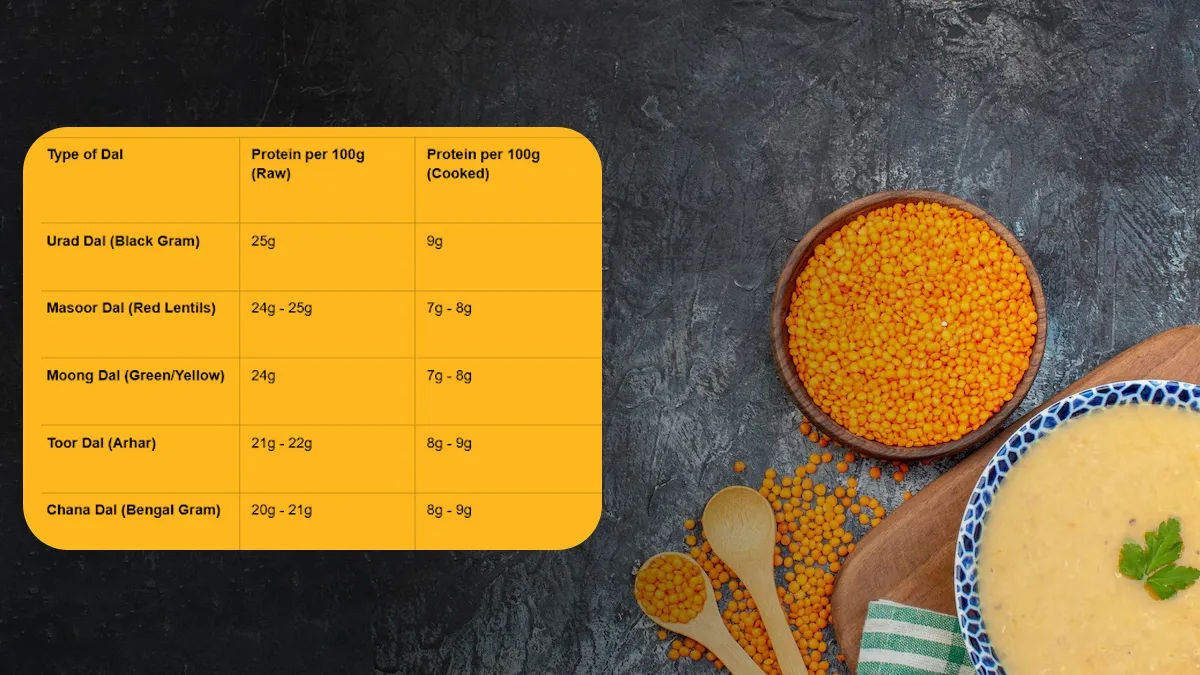
Dal is a staple in almost every Indian meal platter. It is not just comforting and nutrient-rich, but also a source of dietary protein. But can dal help us hit our daily protein goals? The answer is simple: it can and cannot. A standard bowl of cooked dal is not enough to meet your daily protein needs, as a typical single serving of cooked dal provides only about 4 to 12 grams of protein. An average healthy adult needs 50 to 80 grams daily. Therefore, depending solely on dal is not ideal. However, you can make dal a part of your balanced meal, which can help you reach your daily protein intake. Today, we will explain all about it in this article.
To understand this better, we reached out to Ms Edwina Raj, Head of Services, Clinical Nutrition and Dietetics, Aster CMI Hospital, Bangalore.
Can Dal Help You Reach Your Daily Protein Needs?
Ms Raj says that dal is a nutritious source of plant protein and an important part of a healthy Indian diet. She continues,“But for most adults, it is usually not enough by itself to meet the entire daily protein requirement. From a dietitian's perspective, the body needs a variety of protein sources throughout the day to ensure adequate intake of all essential amino acids.”
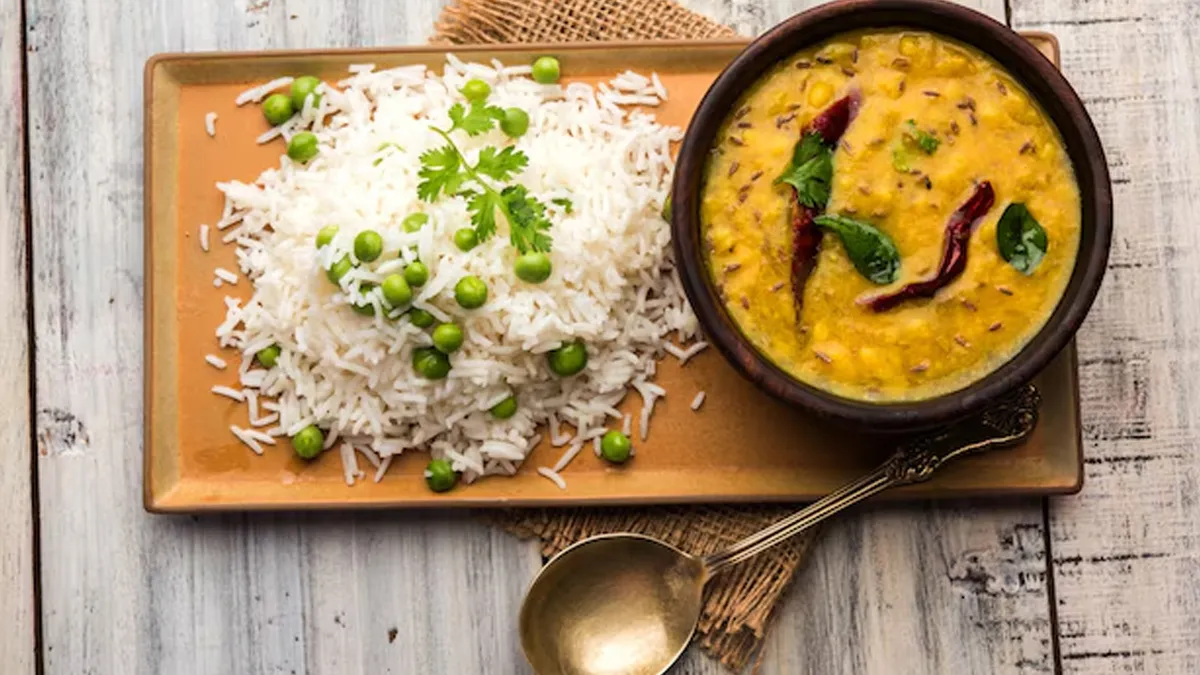
The expert further explains, “One serving of cooked dal provides a moderate amount of protein along with fibre, vitamins, and minerals. However, the total amount of protein in dal alone is often insufficient, especially for older adults, growing children, pregnant women, or people who are physically active. Combining dal with cereals such as rice or whole wheat improves the overall quality of protein because the two complement each other's amino acid profiles.”
 dal protein 1
How To Make Dal a Part of Your Balanced Diet?
While dal alone cannot help you hit your protein goals, it can very well be a part of your balanced meals. Explaining this, Ms Raj says, “A balanced vegetarian diet should include multiple protein-rich foods such as dals, beans, chickpeas, soy products, milk, curd, paneer, nuts, seeds, and eggs. Spreading protein intake across all meals is also more beneficial than consuming most of it in one meal.”
Ms Raj adds, “The exact protein requirement varies depending on age, body weight, activity level, and health conditions. Rather than focusing on a single food, it is better to build meals that contain a variety of protein sources. If someone has increased protein needs or follows a restrictive diet, a registered dietitian can help create a personalised meal plan. A diverse, balanced diet remains the most effective way to achieve adequate protein intake while supporting overall health.”
 dal protein 2
What Study Says About Dal’s Protein Content
A 2018 study, published in the International Journal of Food Science and Technology, examined the nutritional value and physical properties of lentils, commonly known as dal. It attempted to understand whether dal can replace animal proteins. One of the biggest highlights is that dal protein is highly digestible, with the body able to process and use about 83% of it. It also contains a strong profile of essential building blocks known as amino acids, which are vital for maintaining our muscles and overall health.
However, the study noted that the question whether a bowl of dal alone is enough for your daily needs, the answer needs a bit of dietary balance. Like many plant proteins, lentils do not perfectly provide every single essential amino acid your body needs in one sitting. Therefore, to make dal a complete protein source, it needs to be paired with other complementary foods such as rice or whole grains.
 dal protein 3
The research also noted that the way dal is processed, cooked, or extracted significantly affects how much nutritional benefit you actually absorb from them. Moreover, scientists are actively exploring how to extract lentil proteins to create powerful, sustainable ingredients for modern functional foods. To summarise the study, dal is a good, eco-friendly source for your daily protein intake, but you need a varied balanced diet to fully meet all your nutritional needs.
ALSO READ- Does a High-protein Diet Cause Severe Constipation? Dietitian Answers
Conclusion
To conclude, a warm bowl of dal is a highly nutritious and easily digestible staple in the Indian diet. But it is not enough on its own to meet your complete daily protein goals. This is because lentils lack certain essential amino acids; so they must be combined with complementary foods such as rice or whole wheat, to form a complete and effective protein source. To successfully hit your daily macronutrient goals, you should add a wide variety of other plant and dairy proteins into your meals such as chickpeas, paneer, soy, nuts, and seeds. Moreover, it is important to spread your protein intake evenly throughout the day rather than relying on a single heavy meal. By maintaining a well-balanced diet, you can easily enjoy the health benefits of dal.
FAQ
Is dal high in protein?
Dal is moderately high in protein when dry (20–25g per 100g); but once cooked and watered down, a single bowl provides only about 7–9 g of protein alongside a high amount of carbohydrates.Is dal safe to eat every day?
Yes, daily dal consumption is not only safe but recommended in Indian dietary guidelines.
All possible measures have been taken to ensure accuracy, reliability, timeliness and authenticity of the information; however Onlymyhealth.com does not take any liability for the same. Using any information provided by the website is solely at the viewers’ discretion. In case of any medical exigencies/ persistent health issues, we advise you to seek a qualified medical practitioner before putting to use any advice/tips given by our team or any third party in form of answers/comments on the above mentioned website.

How we keep this article up to date:
We work with experts and keep a close eye on the latest in health and wellness. Whenever there is a new research or helpful information, we update our articles with accurate and useful advice.
-
Current Version
Jul 31, 2026 18:04 IST
Published By : Shruti Das
Reviewed By : Edwina Raj