
We often wonder where vegetarians get their protein from. What if we tell you that beyond paneer and soya, there are other plant-based protein sources as well. If you are trying to follow a plant-based diet, you do not have to rely heavily on dairy. Vegetables are mainly celebrated for their vitamins and fibre, but certain varieties such as green peas and mushrooms are packed with a surprisingly high amount of protein. Want tWe consulted a dietitian to understand which vegetables have the highest protein content.
To understand this topic in depth, we interacted with our expert, Ms Edwina Raj, Head of Services, Clinical Nutrition and Dietetics, Aster CMI Hospital, Bangalore.
Which Vegetables Have The Highest Protein?
Ms Raj says that vegetables are not as rich in protein as foods such as eggs, dairy, meat, or legumes. She adds, “However, some contain more protein than others and can make a valuable contribution to daily protein intake.” The expert lists the vegetables which have the highest protein content (along with how much protein they have per cooked cup, based on standard USDA nutritional data):
- Green peas: 8.5 grams
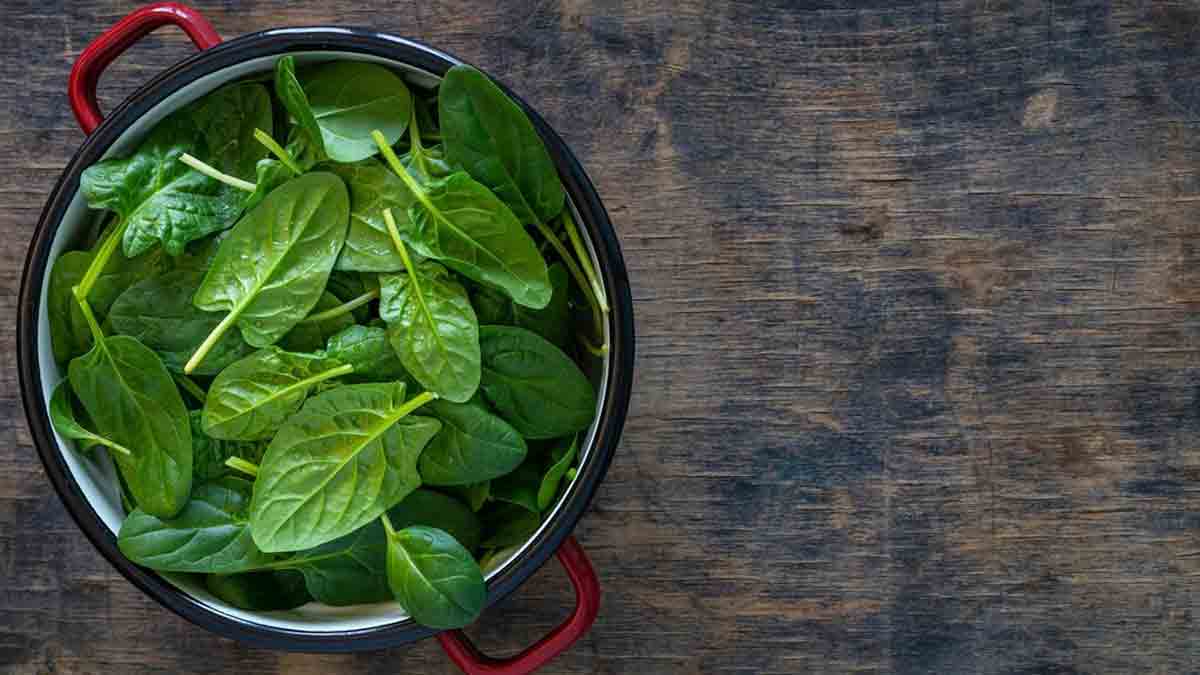
- Spinach: 5.3 grams
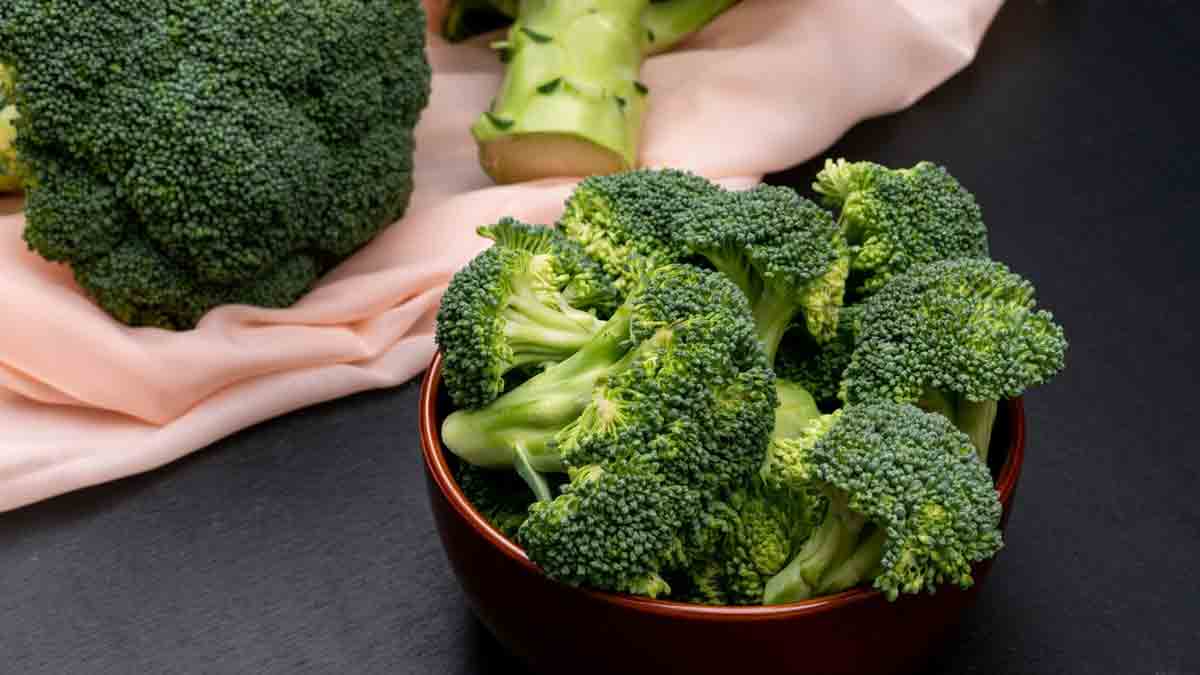
- Broccoli: 3.7 grams
- Brussels sprouts: 4.0 grams
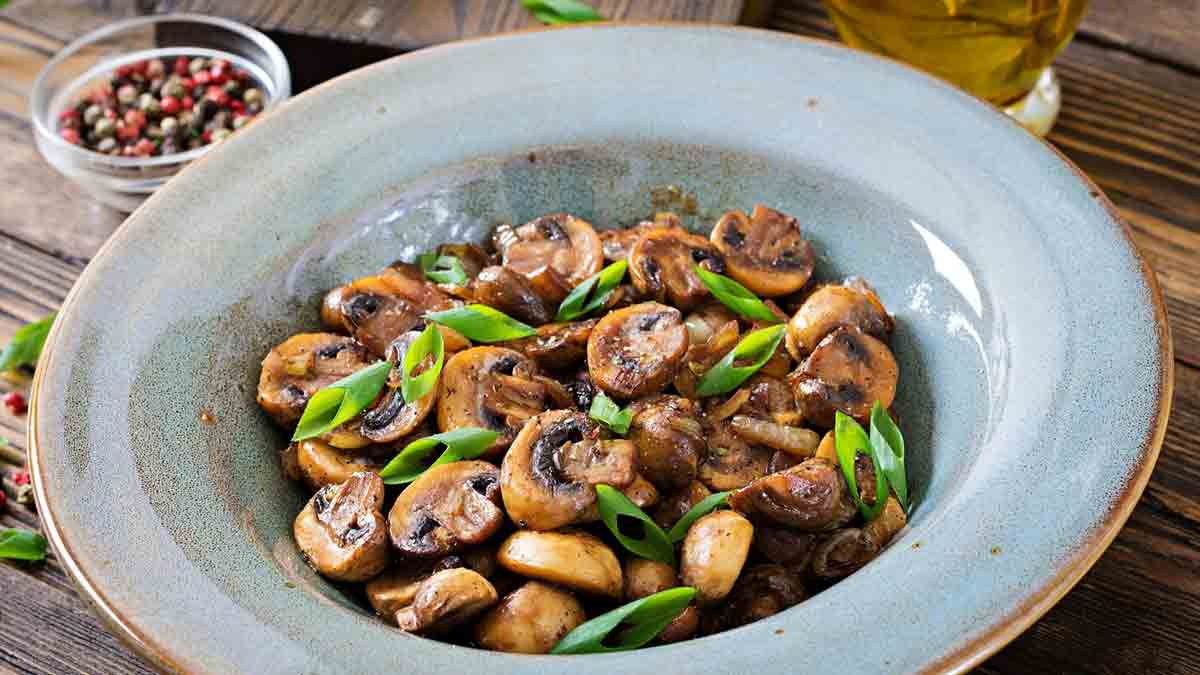
- Mushrooms: 3.4 grams
- Sweet corn: 5.1 grams
- Kale: 2.5 grams
“Green peas are one of the best options. Mushrooms and asparagus also contain moderate amounts of protein along with vitamins, minerals, and antioxidants that support overall health,” shares Ms Raj.
According to a finding published in the Food Research International journal, proteins that are derived from sources such as legumes, seeds, nuts, and grains, offer significant health benefits. It noted that plant-based proteins, unlike many animal proteins, are naturally low in saturated fats and free of dietary cholesterol. Therefore, consuming vegetable protein is consistently associated with a lower risk of developing heart disease and high blood pressure. This is because plant-based protein sources are packed with dietary fibre, which boosts healthy digestion and aids in maintaining steady blood sugar levels.
 vegetable protein main
The finding noted that plant proteins are also rich in essential micronutrients, including vitamins, minerals, and powerful antioxidants that reduce inflammation in the body. Replacing some animal protein with vegetable protein can even aid in weight management. This is because plant foods have less calories and keep you full for a long time. The findings further mentioned that while some individual plant proteins may lack certain essential amino acids, eating a varied diet consisting of different plants can help you provide the essential nutrients your body needs. To summarise, this finding notes that choosing vegetable protein sources can benefit both long-term human health and the sustainability of our global food systems.
Can You Meet Your Protein Goals With Just Vegetables?
Ms Raj says that it is important to remember that vegetables alone are usually not enough to meet your daily protein requirements because they contain less protein and fewer essential amino acids than animal foods.
The expert adds, "However, when combined with protein-rich foods such as lentils, beans, chickpeas, soy products, dairy, eggs, nuts, or whole grains, they help create a balanced and nutritious diet. Including a variety of vegetables every day also provides fibre, vitamins, and minerals that support digestion, heart health, and immunity. A colourful plate with protein-rich vegetables and other healthy protein sources is an excellent way to improve both nutrition and overall well-being."
 veg protein 2
Benefits of Plant-based Protein
A 2019 study, published in the Food and Nutrition Research journal, examined how different types of dietary protein impacts physical performance in healthy adults. The study analysed 223 men and women between the ages of 23 and 68. To test their physical performance, the participants were made to undergo a standard six-minute walking test to see how far they could travel. They also answered detailed questionnaires about their daily eating habits, which helped researchers get an idea about their nutrient intake.
The result showed that the participants naturally consumed more animal protein than vegetable protein on a daily basis. However, the study discovered that eating more vegetable protein was clearly linked to better physical performance. It noted that for every extra 10 grams of vegetable protein consumed per day, participants could walk 20 meters further during the test.
Interestingly, eating more animal protein showed no significant improvements in walking distance. The study concluded that vegetable protein has a unique positive impact on physical capabilities. However, the researchers added that this benefit may also be tied to other healthy nutrients found in plant-based foods.
 veg protein 3
Conclusion
While vegetables alone may not completely help you meet your daily protein goals, they remain a nutrient-dense addition to your balanced diet. You can do so by pairing high-protein vegetables such as green peas and spinach with other sources like lentils, whole grains, or dairy. Moreover, choosing to incorporate more plant-based proteins into your daily diet is a good way to boost your physical performance, protect your heart health, and support long-term well-being.
FAQ
What vegetables have the most protein?
Some of the vegetables with the most protein are legumes, green peas, beans, and lentils.Which dry fruit has the most protein?
Peanuts (botanically legumes but widely eaten as a dry fruit) contain the most protein.
All possible measures have been taken to ensure accuracy, reliability, timeliness and authenticity of the information; however Onlymyhealth.com does not take any liability for the same. Using any information provided by the website is solely at the viewers’ discretion. In case of any medical exigencies/ persistent health issues, we advise you to seek a qualified medical practitioner before putting to use any advice/tips given by our team or any third party in form of answers/comments on the above mentioned website.
How we keep this article up to date:
We work with experts and keep a close eye on the latest in health and wellness. Whenever there is a new research or helpful information, we update our articles with accurate and useful advice.
-
Current Version
Jul 16, 2026 14:42 IST
Published By : Shruti Das
Reviewed By : Edwina Raj