
For many people, especially in winter, showering every day becomes a choice. However, in some conditions, such as after surgery, illness, or for people who are mobility-impaired, a sponge bath becomes a practical alternative. But are sponge baths hygienic?
We turned to our expert, Dr Ruben Bhasin Passi, Consultant Dermatologist, CK Birla Hospital, Gurugram, expalined that sponge bathing is actually very clean and acceptable if done appropriately but it should not replace total bathing. According to her, sponge bathing is ideal for people with limited movement or for patients undergoing surgery or for people with some kinds of disease which may not enable them to completely bathe.
What is Sponge Bath?
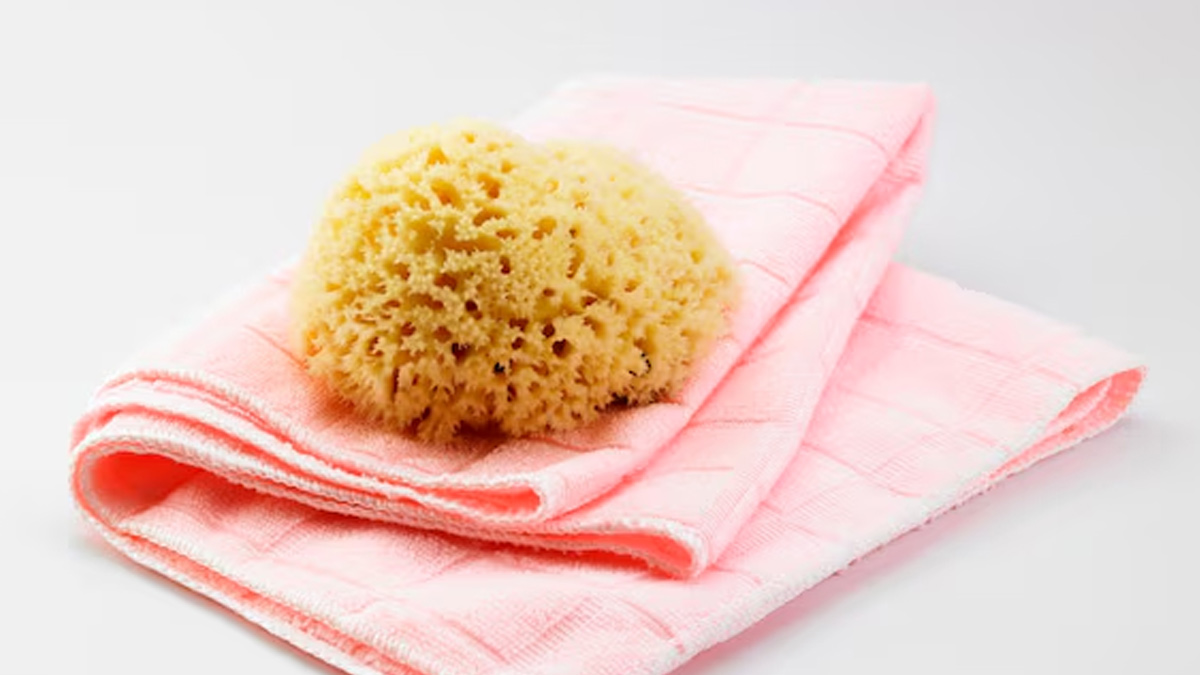
A sponge bath consists of washing a body using a cloth/sponge, soap, and water, but not submerged in a water bath in a shower/tub. This can be performed in a hospital setting, for an elderly person, or in a home where a full bath isn’t feasible.
ALSO READ- Dermat Shares What To Apply On Face After Bleaching
 1-bath
When Are Sponge Baths Hygienic?
Sponge bathing can be a sound hygienic practice if done correctly and only on a short-term basis. Its success relies highly on three aspects:
- Clean tools
- Fresh water
- Correct technique
“The use of a clean soft cloth for different body regions and frequent changes of water help to prevent bacteria from being transmitted from one region of the body to another. It is very important to focus more on regions that tend to accumulate more sweat, such as skin folds, groin, and underarm regions,” suggested Dr Passi.
When carefully done sponge baths can aid in maintaining personal cleanliness. This procedure can also remove dust and make patients or bathers more comfortable.
Where Sponge Baths Fall Short
Although beneficial, sponge baths are not as efficient as bathing. Dr Passi has explained that many times, sponge baths do not manage to fully clean these area:
- The scalp
- Underarms
- Feet
Such areas have a high probability of smelling or developing fungal infections or irritations if they are not properly cleaned. Hair and scalp care cannot be effectively accomplished by sponge bathing.
ALSO READ- Should You Exfoliate Before Or After Shaving? The Right Way To Do It
 2-bath
Side Effects of Reused Sponges and Cloths
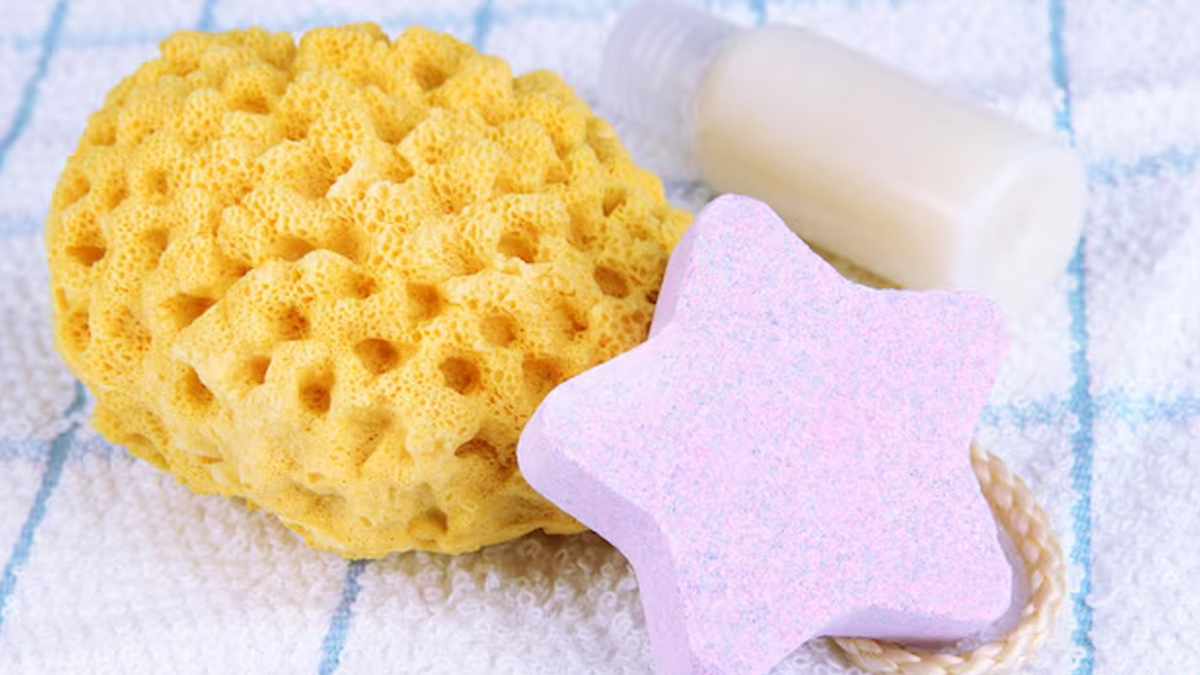
A major aspect related to hygiene is reusing sponges or cloths without thoroughly cleaning them. This can quickly cause sponges containing moisture to become breeding grounds for fungi and bacteria.
Dr Passi advised that traditional sponges should be avoided entirely. “It would be better to use cloths that can be washed every time and dried thoroughly. Reusing cloths gets multiplied by the risk of infection,” she added.
Are Sponge Baths Safe?
In medical terms, sponge baths can be regarded as safe for hygiene maintenance for short periods of time. However, sponge bathing as a method for an extended period may affect the skin adversely. Showering/bathing is much more effective for:
- Maintaining optimal skin health
- Preventing body odor
- Reducing the risk of skin infections
Bottomline
Sponge baths can actually be very hygienic and safe from a medical point of view if implemented correctly, but for such a short period. For overall hygiene and skincare, bathing is very necessary.
FAQ
1. Can sponge baths be an alternative to having showers every day?
No. Sponge baths can be used for short-term purposes but cannot be used for regular long-term cleansing.2. Are sponge baths okay for sick or elderly people?
Yes, sponge baths are safe when done correctly, even in people who are ill or have limited mobility.3. What can I do to make a sponge bath cleaner?
Use clean washable cloths and water. Use mild soap and clean each body area separately. Use washcloths and dry them thoroughly after cleaning.
All possible measures have been taken to ensure accuracy, reliability, timeliness and authenticity of the information; however Onlymyhealth.com does not take any liability for the same. Using any information provided by the website is solely at the viewers’ discretion. In case of any medical exigencies/ persistent health issues, we advise you to seek a qualified medical practitioner before putting to use any advice/tips given by our team or any third party in form of answers/comments on the above mentioned website.
How we keep this article up to date:
We work with experts and keep a close eye on the latest in health and wellness. Whenever there is a new research or helpful information, we update our articles with accurate and useful advice.
-
Current Version
Dec 27, 2025 00:40 IST
Modified By : Tanya Srivastava Dec 27, 2025 00:40 IST
Modified By : Tanya SrivastavaDec 27, 2025 00:40 IST
Published By : Tanya Srivastava
Reviewed By : Dr Ruben Bhasin Passi