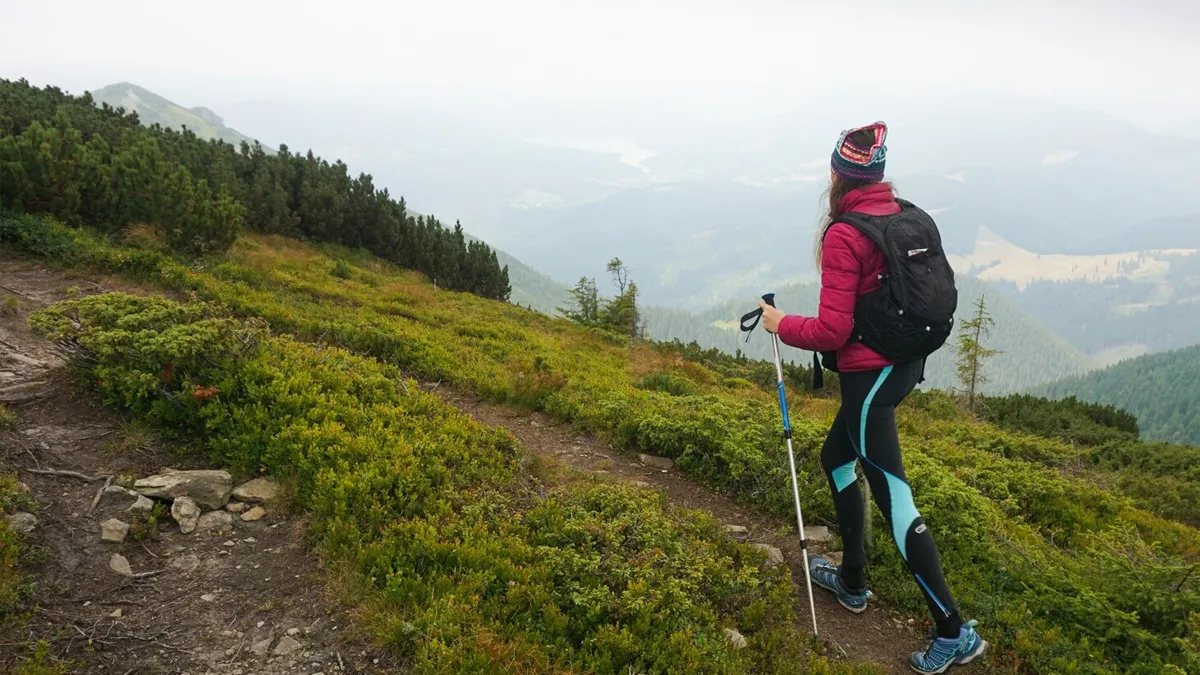
There's a thin line between courage and cowardice. When you take up a challenge and succeed in it, you praise yourself for your bravery. But if you fail in it, then you end up blaming yourself. My Har Ki Din trek in Uttarakhand made me experience the second feeling.
This trek was on my wishlist for a long time. So I was eager to tick it off. But little did I know that my lack of preparation could be a real challenge.
Starting from the Sankri village base camp in Uttarkashi district, this cradle-shaped valley sits at a majestic 11,700 ft (3,566 m) height. It is approximately a 50 to 60 KM long trek and requires around 6 to 8 days. Mountaineers and travel companies keep it under the easy to moderate category, but if you are not physically prepared, this can be really challenging.
Was I Truly Brave or Just Blissfully Reckless?
I wasn't exactly a beginner in trekking. I had already completed a few easy treks, including Kedarnath, Tungnath-Chandrashila, Triund, and Nag Tibba. However, what I neglected was that for more than a year, I was struggling with some health issues. Giving at least 10 to 11 hours in the office just sitting, I was not physically active at all, and my diet was totally off track.
Underestimating the physical toll of high altitude, I chose to be brave, convinced it was purely a mind game. And yes, it is about the mind, but only if your body has the endurance to deal with what's coming.
 mn - 2026-02-13T174821.292
So finally, in the second week of September 2025, I packed my bag for this journey. From Dehradun to Sankri is a 200 km drive. I spent my day amidst the lush greenery of Mussoorie and the Yamuna Valley, praising myself for taking such a strong decision.
Up until now, carrying my 45-litre backpack wasn't an issue. But my first hit came early on the very first day of the trek. A simple 12 km stretch was not feeling as easy as it used to be a year ago. However, constantly motivating myself, I made it to the Seema campsite, our stay for the night.
By the second day, nature offered its beauty as a distraction. The majestic views of the Swargarohini peaks and the sparkling Supin River were breathtaking, but they couldn't mask the harsh reality. I was drained, dehydrated, and constantly gasping for air.
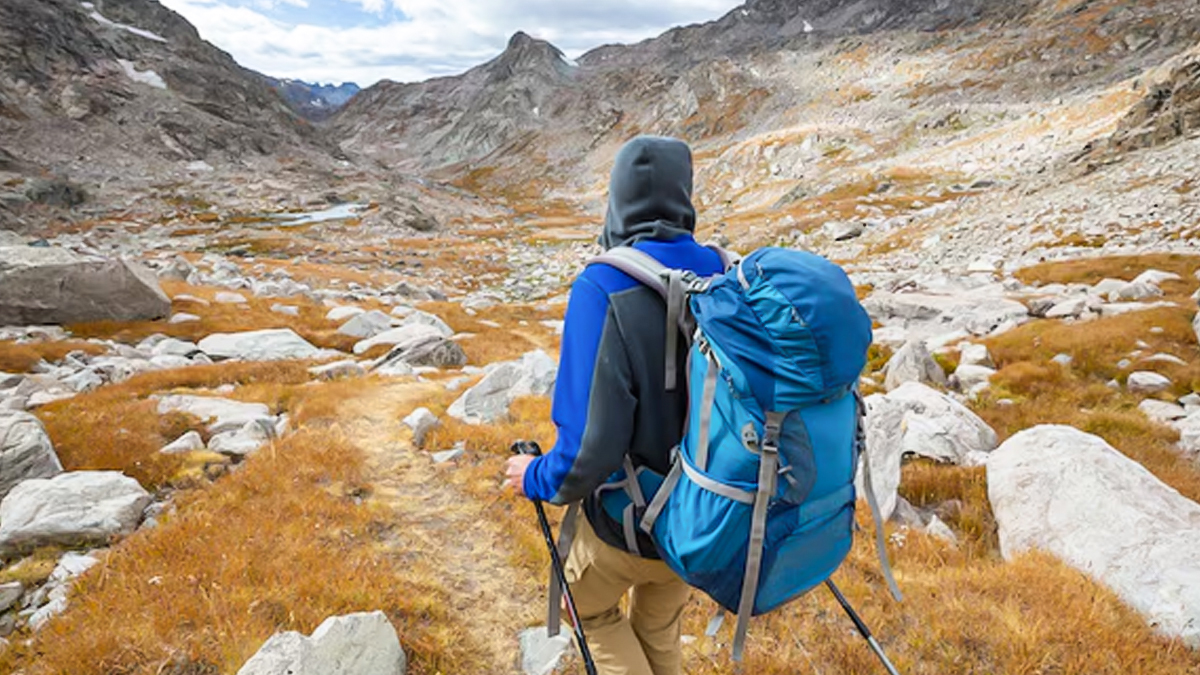
By the third day, I couldn't even carry my own rucksack; I was crawling, leaning heavily on my trekking poles for support. When the fourth day arrived for a rigorous, steep 12-hour final push from Boslo to Har Ki Dun and back, my body simply gave up. My face had darkened, nausea hit me in waves, and my legs were visibly shivering.
ALSO READ- The Mountain That Changed Me: How A 3-Day Camp Rewrote My Limits
In the mountains, timing is everything. You must reach base camp before dark, and since mountaineering is a team sport, your group must stay together. My slow pace was no longer just a personal struggle; I was holding everyone back.
In such remote places, medical help is nonexistent, and caution is your only lifeline. As the altitude climbed, my body began to fail; my face swelled, and my vision blurred into a haze. Every single step became a battle against the freezing wind. Realising the gravity of my mistake, I decided to come back toward the lower camp with another trek leader. It felt like failure, but I finally listened to my intuition: I had ignored my body's warnings and skipped the vital physical preparation I truly needed.
However, this one incident didn't stop me from planning future adventures, but it taught me the value of fitness during treks. To help you avoid the same mistakes, I reached out to Varnit Yadav, a Nutrition and Fitness Expert from Lucknow, and Kamakshi Pal, a certified mountaineer with a decade of experience from Delhi. Continue reading to know how to prepare properly for your lifetime adventure.
 1 - 2026-02-13T174816.869
A Simple Guide from a Fitness Expert
According to Varnit Yadav, ideally, you should be spending at least 3 to 5 months of training before trying a high-altitude trek. This allows you to get familiar with the challenges and gives your body sufficient time to adapt to the stressors you will face. Below are a few other fitness tips to prepare for the mountains by Yadav.
To build endurance, you need quality training in cardio zones 2, 3, and occasionally 4 to boost your heart and lung health. Incorporate HIIT circuits with running, cycling, or swimming at least 2–3 times a week.
Don’t skip the weights, as full-body strength training is essential. It builds a rock-solid core and the leg power needed for heavy load-bearing on steep trails.
Your diet is just as important as your miles. Stay on top of your hydration and ensure you’re getting enough protein, fats, and carbs to fuel your recovery and fix any deficiencies.
Finally, respect the altitude. Give your body a few days to acclimatise at every new height to get used to the lower oxygen levels, and consider a mentor to help you master the art of mountain survival.
What a Certified Mountaineer Has To Say
Kamakshi Pal emphasises that no matter how much you motivate your brain, a trek is a physical task that requires specific preparation, and one should not ignore this part at all.
Pal explains, “Focus on your fitness according to the level of your trek. Don’t go unprepared or under-prepared because to make your journey comfortable and to make you actually enjoy the journey, being physically fit is the most important task."
"If you are physically unprepared, you will not enjoy your adventure but only suffer, and this may even cost you some serious injuries or long-term physical damage,” she adds. She further offers these practical steps for your next journey:
Also Read: Trekking For Health: Unlocking The Physical And Mental Benefits Of Trekking
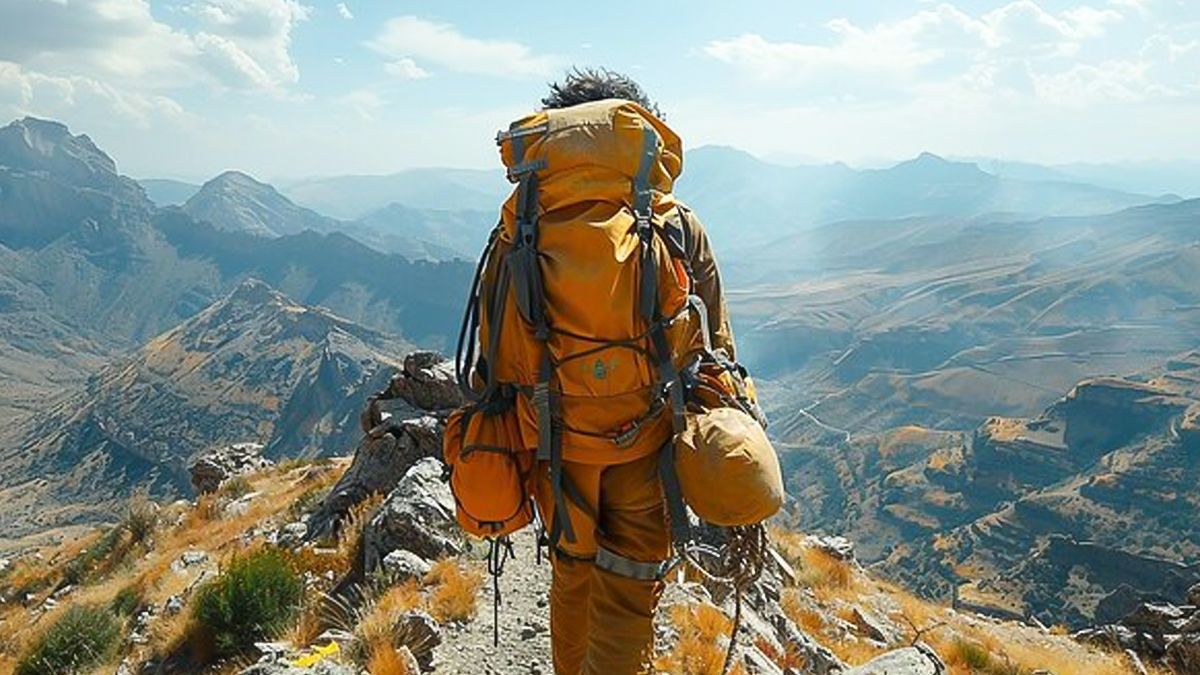
Research the specific temperature and weather for your route and pack accordingly. Keep it light, only the absolute essentials, because every extra gram feels like a kilo at high altitudes, and finding a porter is often impossible.
Prepare a dummy bag with your expected trek weight and wear it during runs, workouts, or stair climbing. This gets your body used to the actual load before you hit the trail.
Study the terrain and total elevation gain so you aren't caught off guard. If your route has steep inclines, simulate those conditions with incline treadmill walks or weighted stair repeats.
Don't ignore your joints; focus on knee stability, hip mobility, and back exercises. This is your best insurance policy against injuries and strain, especially during those brutal descents.
Most importantly, test yourself on smaller, lower-altitude treks first. There is no better training for the mountains than being in the mountains.
Bottomline
My Har Ki Dun journey was a lesson for me never to underestimate nature and never ignore the signs your body is hinting at. If your heart and lungs aren't prepared for the thin air, your mindset might not help you to survive.
All possible measures have been taken to ensure accuracy, reliability, timeliness and authenticity of the information; however Onlymyhealth.com does not take any liability for the same. Using any information provided by the website is solely at the viewers’ discretion. In case of any medical exigencies/ persistent health issues, we advise you to seek a qualified medical practitioner before putting to use any advice/tips given by our team or any third party in form of answers/comments on the above mentioned website.
How we keep this article up to date:
We work with experts and keep a close eye on the latest in health and wellness. Whenever there is a new research or helpful information, we update our articles with accurate and useful advice.
-
Current Version
Feb 14, 2026 16:50 IST
Modified By : Sameeksha Sharma Feb 14, 2026 16:50 IST
Modified By : Sameeksha SharmaFeb 14, 2026 16:50 IST
Published By : Sameeksha Sharma
Reviewed By : Varnit Yadav