

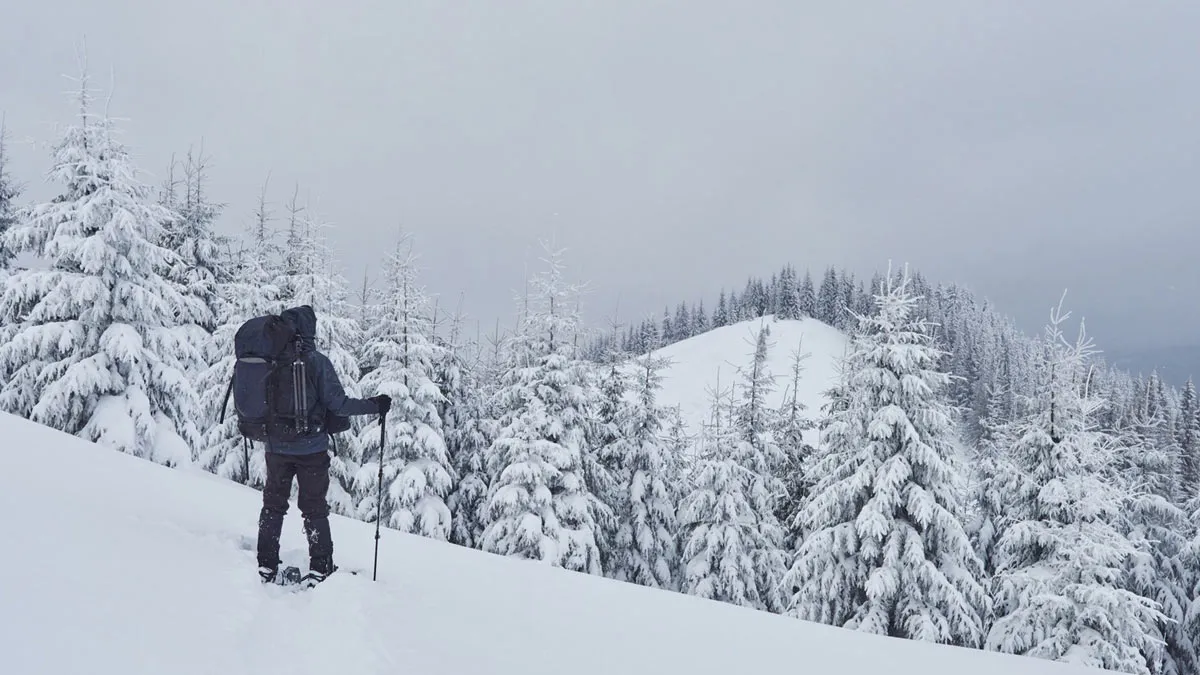
As mountains have received the season's first snowfall and winter has almost arrived in North India, adventure lovers must be planning to go on winter treks. As much as winter trekking captures the imagination and gives a surreal view of nature, it also tests human endurance in ways many do not even imagine. Snow on treks changes everything, including how your body regulates heat, how your mind perceives fatigue, and even how your heart functions.
Table of Content:-
Snow is not just increasing the trek's difficulty level; it also puts your body in a situation that most of us are not used to. Trekking in snow brings severe health hazards, such as frostbite and hypothermia. To understand what health risks join you over the winter treks, we spoke to Dr. Basavaraj S Kumbar, Consultant - Internal Medicine, Aster Whitefield Hospital, Bengaluru, and Sandeep Arora, Director of Brightsun Travel Private Limited.
Health Risks With Winter Treks
Before packing your bags for the next winter trek, you must know what kind of danger it poses to your health. Snowy conditions can expose the body to several health risks due to extreme cold and reduced oxygen at high altitudes. Dr. Basavaraj S Kumbar explained, “Common health issues due to snow trek include conditions such as frostbite, hypothermia, and dehydration. Slippery terrain also increases the risk of falls and injuries.” Here are a few health hazards that come with the winter trek:
Also Read: Why Are PCOS and Thyroid Issues Rising Rapidly Among Gen Z Women?
Frostbite
Frostbite occurs when skin and underlying tissues freeze, usually on fingers, toes, nose, and ears. Dr. Kumbar mentioned, "Frostbite happens when skin is exposed to sub-zero temperatures for a long time, especially if it’s wet or windy.” Its symptoms include feeling numbness and tingling in a particular body part, skin becoming pale or waxy, and, in some severe cases, one can also develop blisters.
Tips To Manage Frostbite On Trek
Dr. Kumbar explained the steps one should take if having symptoms of frostbite. If actions are not taken timely manner, one might even have to amputate the affected body part.
- Move into a warm, sheltered place immediately.
- Avoid rubbing or massaging the affected area, as this can damage tissues.
- Warm the area slowly using body heat, like placing fingers in armpits or drinking lukewarm, not hot, water.
- Keeping the person hydrated and calm is the most important step.
- After this, one should seek medical help as soon as possible.
-1763464778352.jpg)
Hypothermia
One of the most serious but subtle risks of winter trekking is hypothermia. Dr. Kumbar mentioned that hypothermia happens when the body temperature drops below 35°C (95°F), which can occur due to prolonged exposure to cold, wet, or windy weather. Sandeep Arora noted, “Hypothermia begins quietly with shivering, sluggish thinking, and loss of coordination between body and mind.” Its symptoms begin quietly with shivering, confusion, slurred speech, slow breathing, and fatigue.
Tips To Manage Hypothermia On Trek?
Here are a few tips shared by Dr Kumbar to prevent hypothermia:
- Dress in layers, which should include a moisture-wicking base, an insulating middle, and a waterproof outer layer.
- Stay dry, and if you get wet in the rain, change wet clothes immediately.
- Eat high-energy foods and stay hydrated.
- Avoid alcohol during the journey.
- Keep taking short breaks to avoid excessive fatigue.
![Snow Blindness]() Snow Blindness
Snow Blindness
 Snow Blindness
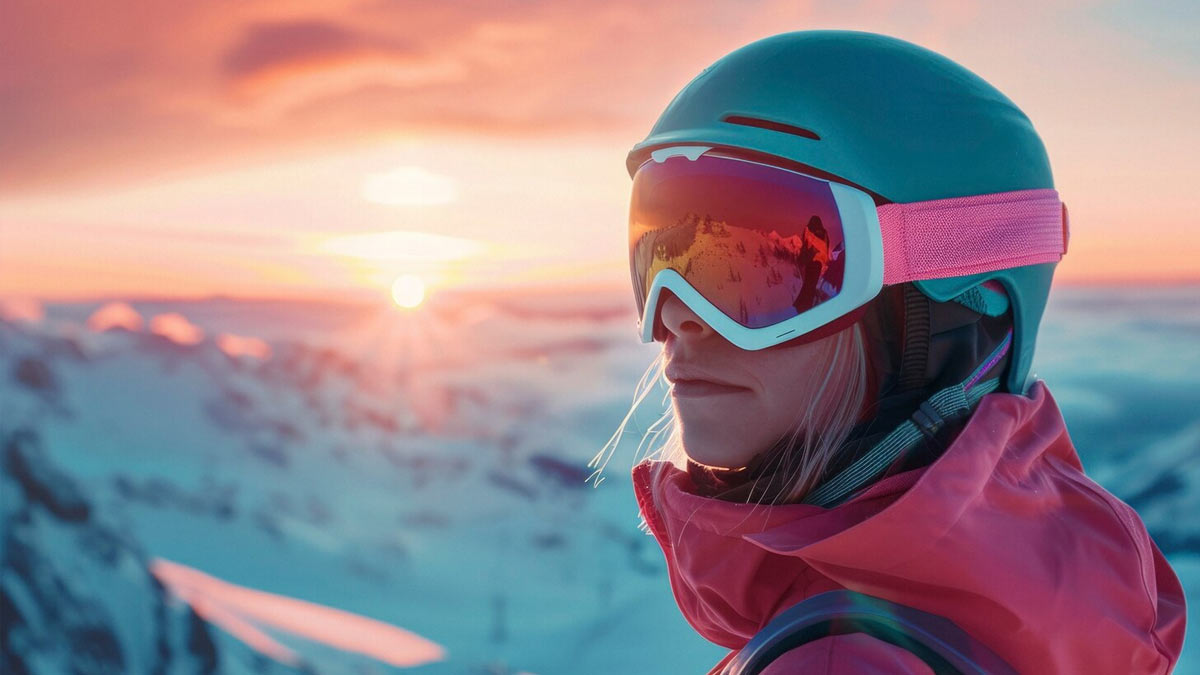
Snow blindness is a temporary condition when UV rays damage the cornea. Sandeep Arora explained, “It is a painful situation caused by overexposure to UV rays reflecting off fresh snow. It is a reminder that sunglasses or goggles are as essential as boots.”
Here are a few tips shared by Sandeep Arora to protect your eyes from snow blindness:
- One must use sunglasses or goggles during the snow trek.
- Do not look for a while in the direction of the Sun.
- Never look at the snow for a long duration.
- Keep looking at the things with different colours in your surroundings, such as your clothes or items in shops.
- Do not wear contact lenses.
- Use artificial tears if you feel dryness in your eyes.
Also Read: Heater vs Blower: Which is More Beneficial For Better Sleep? Doctor Explains
Dehydration
Cold suppresses thirst, yet you lose more fluids through breathing and perspiration at altitude, which directly leads to dehydration in the body. Dehydration brings several health issues, along with making even moving your body for a few metres difficult. It also makes you feel breathless and causes a heavy chest, which completely ruins your adventure experience. Keeping the below tips in mind, one can keep the hydration level in balance:
- Trekkers must drink plenty of water regularly, even when they don’t feel thirsty.
- One should also monitor their electrolyte balance.
- Always carry ORS or other electrolytes and keep drinking throughout the day.
- Eat water-rich food such as a cucumber.
Cardiovascular Strain
Due to increased physical effort in cold air, trekkers might also experience Cardiovascular strain. Dr. Kumbar shared, “Cold weather makes blood vessels constrict, raising blood pressure and heart rate. The heart works harder to keep the body warm, which can increase the risk of heart attacks or strokes, especially in those with pre-existing heart conditions.”
Here are a few effective ways to manage cardiovascular strain shared by Dr. Kumbar:
- Warm up before going for any physical activity in cold weather.
- Dress warmly and cover extremities like hands, feet, and head.
- Avoid sudden, intense exertion, like shovelling snow, without preparation.
- Stay hydrated and completely avoid smoking, as smoking further narrows blood vessels.
- People with heart disease should consult a doctor before undertaking strenuous cold-weather activities.
Steps To Take After Returning from the Trek
Dr. Kumbar also shared that patients take time to recover from frostbite and hypothermia, and symptoms can even persist after returning from the trek. Here are a few ways to recover from frostbite and hypothermia once back:
Frostbite
- A doctor may re-warm the tissues in a controlled medical setting.
- A doctor may prescribe pain relievers, antibiotics, or blood thinners to prevent infection and improve blood flow.
- Avoid smoking or alcohol, as these items reduce blood circulation.
- Keep the affected area clean, dry, and bandaged loosely.
- In cases of deep frostbite, clinical care or even surgery may be required to remove dead tissue.
Hypothermia
- Move the person to a warm indoor area.
- Change the wet clothing and wrap them in heavy warm blankets.
- Offer warm, sugary drinks if they are conscious.
- Restrict the consumption of caffeine or alcohol completely.
- Do not apply direct heat through hot water bottles on bare skin; it can cause burns or shock.
- Seek immediate medical attention, as moderate or severe hypothermia may need warming, IV fluids, oxygen, or cardiac monitoring in a hospital.
Bottom Line
The excitement of experiencing snow on the trek often overrides the need to take care of yourself. With snow, treks become more slippery, and one can easily fall. Black ice leads to hundreds of life-threatening accidents each year and demands extra precaution. Winter trekking challenges your mental and physical strength, and if not taken care of, it can be fatal.
Also watch this video
FAQ
What causes frostbite?
Frostbite occurs when skin and underlying tissues freeze due to low temperature, usually on fingers, toes, nose, and ears.Is it a bad idea to hike in the winter?
You can go for a hike in the winter with little extra preparation, such as proper layering and covering all extremities.At what temperature is hypothermia possible?
Hypothermia is possible when the body’s core temperature falls below 95°F (35°C).
How we keep this article up to date:
We work with experts and keep a close eye on the latest in health and wellness. Whenever there is a new research or helpful information, we update our articles with accurate and useful advice.
Current Version
Dec 20, 2025 11:00 IST
Published By : Sameeksha Sharma