-1775044527892_m.webp)
When you have a blood test, you usually hear about cholesterol. There is another important number that a lot of people do not pay attention to: triglycerides. Triglycerides are a type of fat in your blood. If you have high levels of triglycerides, it can quietly increase your risk of heart disease. The problem is that triglycerides usually do not cause any symptoms.
To understand this better, we spoke to Dr Deebanshu Gupta, Cardiologist, Sarvodaya Hospital, Jalandhar, who explains what triglycerides are, why they matter, and how you can control them with simple lifestyle changes.
What Are Triglycerides?
Triglycerides are a type of fat found in your blood. When you eat, your body turns calories into triglycerides and stores them for energy. They are necessary for energy. When their levels get too high, they start harming your heart and blood vessels. It is different from cholesterol, and both are important for your heart health.
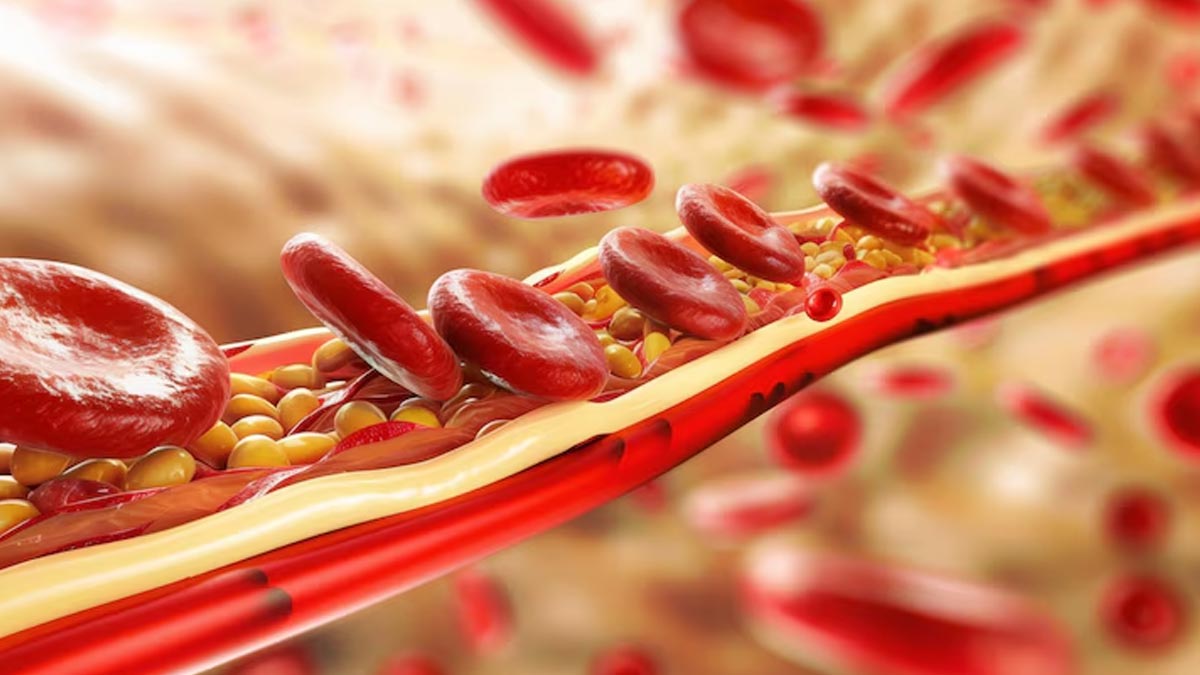
According to the American Heart Association (AHA), triglycerides are the most common type of fat found in your body. When you eat, your body converts any calories it doesn't need right away into triglycerides, which are then stored in your fat cells. Between meals, your body releases these fats to provide energy for your muscles and organs.
However, having a high level of triglycerides in your blood, a condition called hypertriglyceridemia, can be dangerous. When combined with high LDL (bad) cholesterol or low HDL (good) cholesterol, high triglycerides contribute to the buildup of fatty deposits in your arteries, significantly increasing the risk of a heart attack or stroke.
ALSO READ- What Is The Life Expectancy With Heart Failure? Experts Weigh In
Triglycerides vs. Cholesterol: Understanding the Difference
While both are substances that circulate in your blood, they do different things. Think of triglycerides as stored energy and cholesterol as the material your body uses to build things.
Triglycerides are the calories you do not use up. When you eat a meal, your body turns extra sugar and fat into triglycerides and stores them in your fat cells. Between meals, hormones release triglycerides to give your muscles and organs energy to keep moving.
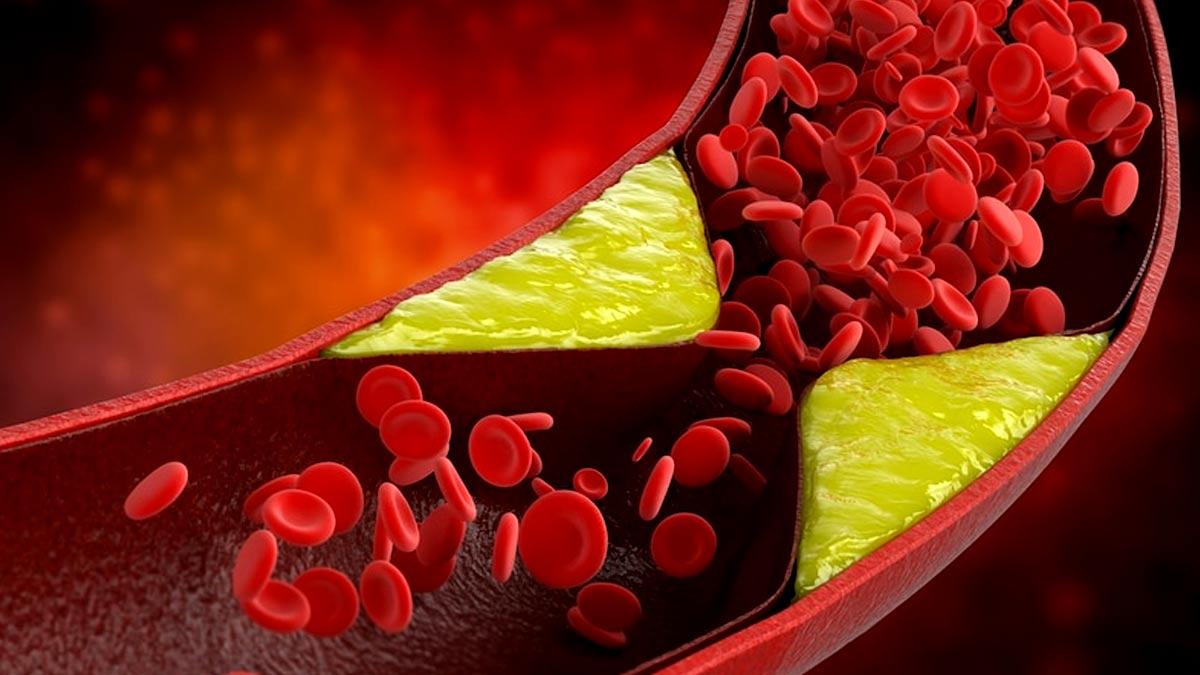
Cholesterol is not used by your body for energy. Instead, it uses cholesterol to build the walls of your cells, make hormones, and create bile to help you digest food.
It is like the bricks of a building, and triglycerides are the power supply. The danger is that high triglycerides can make your bad cholesterol particles smaller and denser and more likely to get stuck in your artery walls.
Why Are Triglycerides Important?
Triglycerides are necessary for your body to work normally. They serve as a backup source of energy between meals. However, when their levels stay high for a time, they can pose serious health risks. High triglycerides can lead to fatty buildup in your arteries, which increases your risk of heart disease, so it is crucial to have a balance.
Study shows that triglycerides are not just stored fat. They are also an important marker of heart health. Even though statins, which lower bad cholesterol, have improved outcomes, many people still have heart attacks and strokes. This shows that high triglycerides are a contributor to these problems.
High triglyceride levels can also disrupt your body's metabolic balance, creating a combination of high blood sugar, low good cholesterol and smaller bad cholesterol particles. This combination can speed up the formation of plaque in your arteries even when your overall cholesterol levels seem normal. In this way, triglycerides can be an early warning sign of metabolic issues that can increase your risk of sudden cardiovascular events.
According to a study published in Archives of Medical Science, triglycerides are a critical marker of health because they serve as a causal driver of heart disease, meaning they directly contribute to the formation of arterial blockages. The research highlights that even when patients have healthy bad cholesterol (LDL) levels, elevated triglycerides can still trigger a 40% higher risk of major cardiovascular events by promoting body-wide inflammation and damaging the protective lining of blood vessels.
What Causes High Triglycerides?
High triglyceride levels are often linked to lifestyle habits.
_heart.jpg)
Common causes include:
- Eating a lot of sugar or refined carbs
- Eating many calories
- Not exercising enough
- Being overweight
- Smoking
- Drinking a lot of alcohol
Medical conditions can also play a role:
- Diabetes
- Hypothyroidism
- Kidney disease
In many cases, diet and lack of activity are the biggest contributors. Small daily habits can make a difference.
What Is a Normal Triglyceride Level?
Triglycerides are measured through a blood test.
Here’s a simple breakdown:
- Normal: Less than 150 mg/dL
- Borderline high: 150–199 mg/dL
- High: 200–499 mg/dL
- Very high: 500 mg/dL and above
Even borderline levels should not be ignored, especially if other risk factors are present.
What Are the Risks of High Triglycerides?
High triglycerides can affect your health in ways.
These include:
- Increased risk of heart disease
- Stroke
- Metabolic syndrome
- Fatty liver disease
At high levels, triglycerides can also cause pancreatitis, which is a serious condition. People often focus only on cholesterol. But high triglycerides can be equally dangerous.
A report of the American College of Cardiology Solution Set Oversight Committee explains that having high triglycerides is a significant silent risk for your heart. While we often focus on cholesterol, high triglycerides make your blood thicker and more prone to clotting. They also cause your bad LDL cholesterol to turn into smaller, denser particles that easily get trapped in your artery walls.
The research shows that even if your cholesterol levels look normal, high triglycerides can trigger inflammation in the blood vessels, significantly increasing the risk of a heart attack or stroke.
Do High Triglycerides Cause Symptoms?
In most cases, no.
High triglycerides are usually silent. That’s why regular testing is important.
However, at very high levels, some signs may appear:
- Fatty deposits under the skin (xanthomas)
- Abdominal pain (in case of pancreatitis)
- Most patients don’t feel anything. That’s why routine blood tests are essential.
Who Is at Higher Risk?
Some people are more likely to have high triglycerides.
Risk factors include:
- Being overweight or obese
- Having diabetes
- Leading a sedentary lifestyle
- High alcohol intake
- Family history
Genetics can also play a role, but lifestyle remains the biggest factor.
How Can You Reduce Triglycerides Naturally?
The good news is that triglyceride levels can often be improved with simple changes.
Here’s what helps:
1. Improve Your Diet
Cut down on sugar and refined carbs
Avoid processed foods
Choose healthy fats like nuts and seeds
2. Exercise Regularly
Aim for at least 30 minutes of activity daily
Walking, cycling, or swimming all help
3. Maintain a Healthy Weight
Even a small weight loss can lower levels
4. Limit Alcohol
Alcohol can significantly raise triglycerides
5. Quit Smoking
Lifestyle changes are the first line of treatment. Medicines are only needed in some cases.
What Foods Help Lower Triglycerides?

Certain foods can help manage levels better.
Include:
- Fatty fish like salmon (rich in omega-3)
- Fruits and vegetables
- Whole grains
- Nuts and seeds
Avoid:
- Sugary drinks
- White bread and refined carbs
- Fried and processed foods
Are Medications Needed?
Sometimes, lifestyle changes may not be enough.
Doctors may prescribe medications if:
- Levels are very high
- There is a high risk of heart disease.
Earlier therapies like fibrates showed mixed benefits when added to modern statin treatment, but growing evidence now supports the role of omega-3 fatty acids, especially eicosapentaenoic acid (EPA), in improving heart health.
How Long Does It Take to Lower Triglycerides?
With consistent effort, you can see improvement in a few weeks to a few months. Patients who follow diet and exercise regularly often see noticeable changes within 4 to 12 weeks.
Consistency matters more than quick fixes. The International Journal of Angiology states that triglycerides are remarkably responsive to lifestyle changes and can begin to drop in as little as 2 to 4 weeks. Unlike cholesterol, which takes longer to shift, triglycerides are closely tied to your most recent meals and activity levels. By cutting out simple sugars, reducing alcohol, and starting daily walks, many people see a significant decrease in their blood fat levels within a single month.
When Should You See a Doctor?
You should consult a doctor if:
- Your triglyceride levels are high
- You have diabetes or obesity
- You have a family history of heart disease
- Regular check-ups can help catch problems early.
ALSO READ- Mediterranean Diet and Heart Health: Does It Work
Conclusion
Triglycerides may not get as much attention as cholesterol, but they are just as important for your heart health. High levels often go unnoticed, which makes them risky. The good news is that they can be managed with simple lifestyle changes. Eating better, staying active, and going for regular check-ups can make a big difference. Keeping your triglycerides under control is not complicated. It just requires awareness and consistency.
FAQ
1. What is the fastest way to lower triglycerides?
The quickest way is to cut down on sugar and refined carbs, avoid alcohol, and start regular exercise. Even small changes can show results within a few weeks.2. Are high triglycerides more dangerous than high cholesterol?
Both are risky. High triglycerides can increase the risk of heart disease and pancreatitis, especially when combined with other factors like diabetes or obesity.3. Can drinking water reduce triglycerides?
Water itself doesn’t directly lower triglycerides, but staying hydrated supports overall metabolism and healthy body function.4. Do triglycerides increase after eating?
Yes, triglyceride levels rise after meals. That’s why doctors usually recommend a fasting blood test for accurate results.5. Can stress increase triglyceride levels?
Yes, chronic stress can indirectly raise triglycerides by affecting hormones, eating habits, and overall lifestyle.
All possible measures have been taken to ensure accuracy, reliability, timeliness and authenticity of the information; however Onlymyhealth.com does not take any liability for the same. Using any information provided by the website is solely at the viewers’ discretion. In case of any medical exigencies/ persistent health issues, we advise you to seek a qualified medical practitioner before putting to use any advice/tips given by our team or any third party in form of answers/comments on the above mentioned website.
How we keep this article up to date:
We work with experts and keep a close eye on the latest in health and wellness. Whenever there is a new research or helpful information, we update our articles with accurate and useful advice.
-
Current Version
Apr 01, 2026 19:52 IST
Modified By : Vivek Kumar Apr 01, 2026 19:52 IST
Modified By : Vivek KumarApr 01, 2026 19:52 IST
Modified By : Vivek KumarApr 01, 2026 19:52 IST
Published By : Vivek Kumar
Reviewed By : Dr Deebanshu Gupta