
Cholesterol is something that people talk about a lot when they discuss heart disease. Many people are still confused about how the two are connected. Cholesterol is necessary for the body. Too much of the wrong type can hurt blood vessels over time. This can lead to blocked arteries, heart attacks or strokes. The scary part is that high cholesterol usually does not cause symptoms in the early stages.
Understanding how cholesterol affects heart health can help people make choices and reduce their risk of serious heart problems. Dr Deebanshu Gupta, a Cardiologist at Sarvodaya Hospital in Jalandhar, explains that cholesterol itself is not the guy. The problem starts when unhealthy cholesterol builds up in excess and begins to damage blood vessels.
What Is Cholesterol, and Why Does the Body Need It?
Cholesterol is a waxy-like substance found in the blood. It is not all bad. In fact, the body needs cholesterol to do important things. Cholesterol helps build cells, produce hormones, make vitamin D and support digestion by forming bile acids. The liver makes most of the cholesterol that the body needs. However, cholesterol also comes from foods that have a lot of saturated and trans fats.
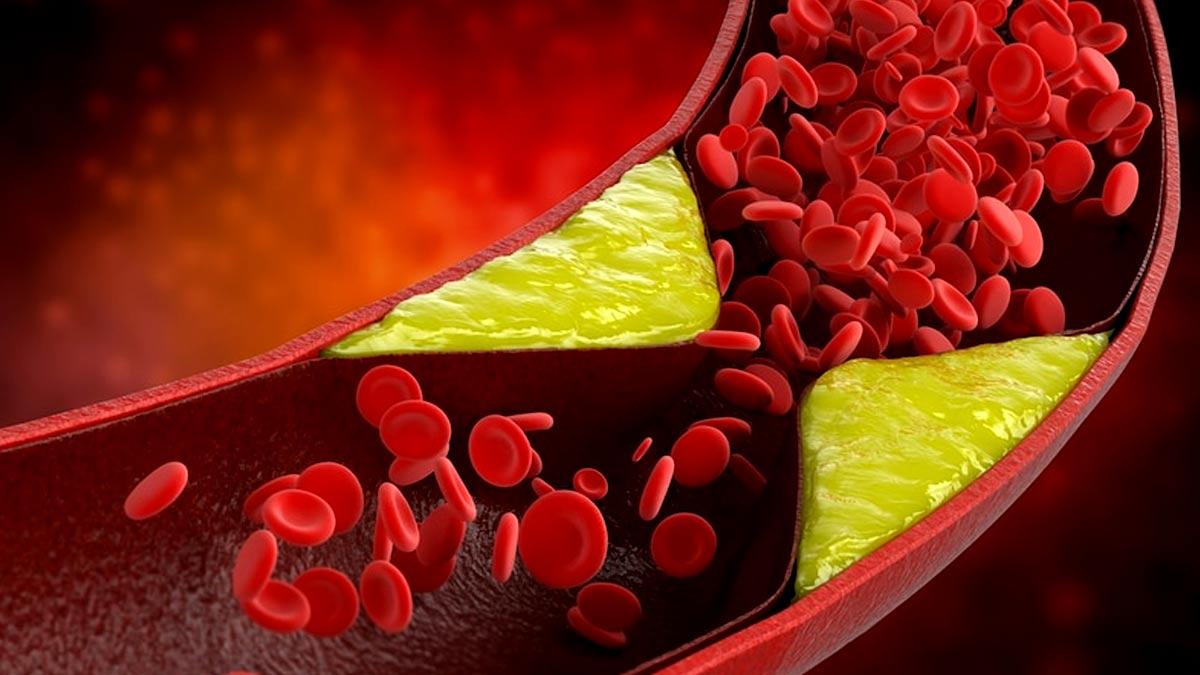
According to the National Centre for Biotechnology Information (NCBI), cholesterol is a vital building block for your body's cells. However, having too much "bad" LDL cholesterol in your blood is a major risk for heart attacks. LDL acts like a delivery truck that carries fat from your liver to your organs.
When there is extra LDL, it gets trapped in the walls of your blood vessels. Over many years, this buildup turns into hard plaque that narrows your arteries. The study explains that this risk grows slowly over time. It is even more dangerous if you also have high blood pressure or smoke.
ALSO READ- Worst Foods for Your Heart You Should Avoid
How Are Cholesterol and Heart Disease Connected?
Dr Gupta explains that the connection between cholesterol and heart disease lies in how cholesterol behaves inside blood vessels. When cholesterol levels become too high, LDL cholesterol it begins to stick to the inner walls of the arteries. Over time, this leads to the formation of fatty deposits known as plaques. These plaques narrow the arteries. Reduce blood flow to the heart. If a plaque breaks suddenly, it can form a clot that blocks the blood supply completely, leading to a heart attack.
According to the 2026 ACC/AHA Guideline on the Management of Dyslipidemia, published in the Journal of the American College of Cardiology, the primary link between cholesterol and heart disease is the cumulative damage caused by LDL-C (Low-Density Lipoprotein). It is often called bad cholesterol.
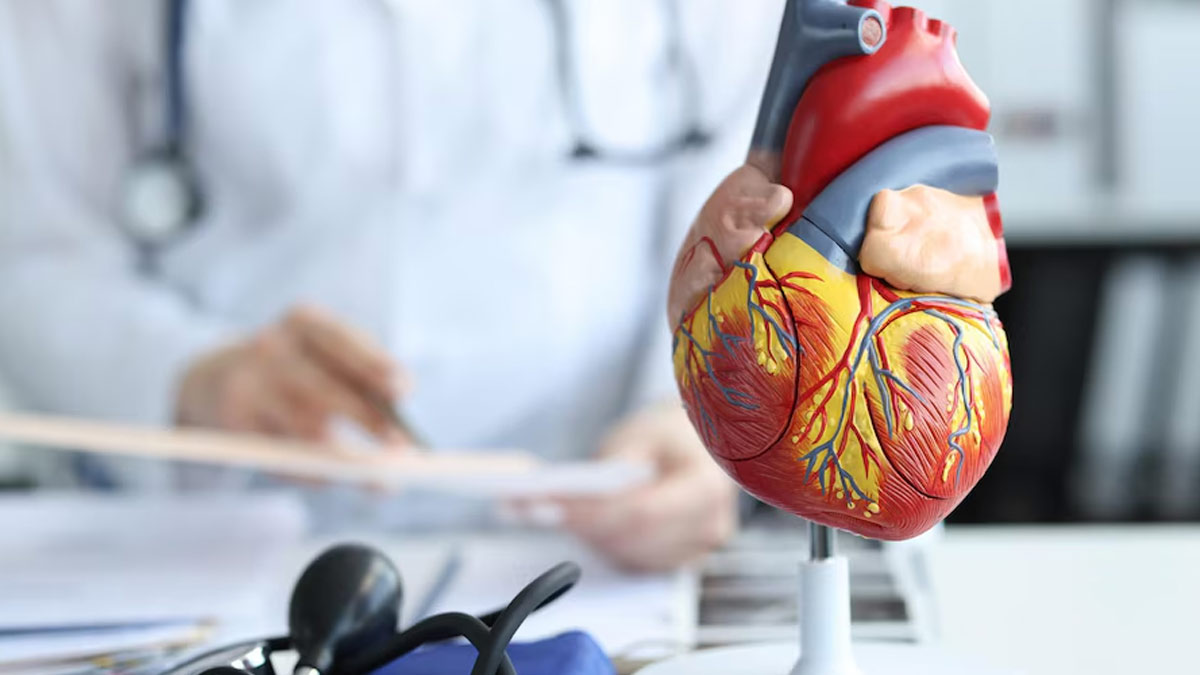
The study highlights that high levels of LDL-C act as the raw material for plaque, a sticky substance that attaches to the inner lining of your arteries. Over time, this buildup causes the arteries to become narrow and rigid. It is a condition known as atherosclerosis, which forces the heart to work harder and significantly increases the risk of a blockage.
What Is the Difference Between Good Cholesterol (HDL) and Bad Cholesterol (LDL)?
Not all cholesterol affects the body in the same way. There are two types that doctors focus on: HDL and LDL cholesterol. LDL cholesterol carries cholesterol from the liver to parts of the body. When present in excess, it leaves deposits on artery walls. This buildup increases the risk of blocked arteries, heart attack and stroke. High LDL cholesterol is one of the risk factors for heart disease. Keeping LDL under control is essential for long-term heart health.
HDL (High-Density Lipoprotein) – The “Good” Cholesterol
HDL cholesterol helps remove extra cholesterol from the bloodstream. It carries cholesterol back to the liver, where it is processed and removed from the body.
Higher HDL levels are generally linked with a lower risk of heart disease.
Research published in the Journal of the American College of Cardiology (JACC) has shown that maintaining healthy HDL levels improves cardiovascular outcomes.
Maintaining a proper balance between LDL and HDL is crucial for protecting heart health.
How Does High Cholesterol Lead to Blocked Arteries?
Blocked arteries develop slowly over the years. The process begins with injuries to the artery walls. These injuries may be caused by cholesterol, smoking, high blood pressure or diabetes. Once the artery lining is damaged, LDL cholesterol begins to collect at the injured site. Over time, this buildup. Forms plaques. This process, known as atherosclerosis, reduces blood flow to the heart and other organs.
Plaque buildup narrows arteries and reduces oxygen supply to the heart muscle. When blood flow becomes severely restricted, it can trigger chest pain or a heart attack.
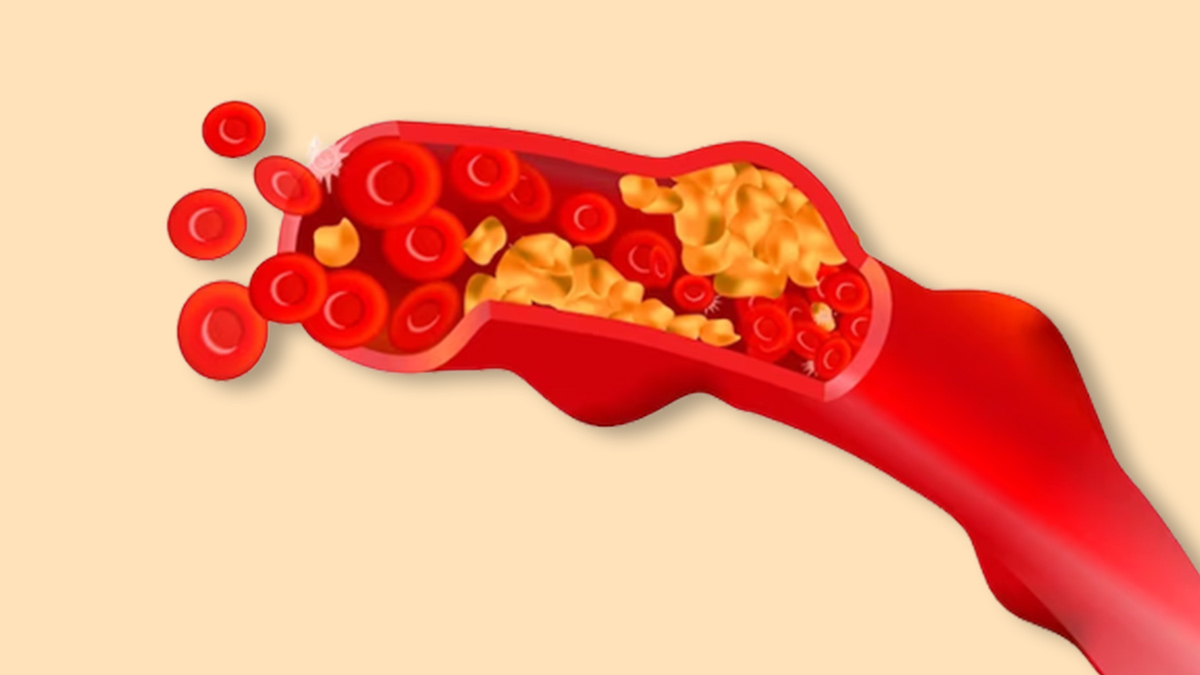
According to the study published in the International Journal of Molecular Sciences, high cholesterol leads to blocked arteries through a specialised receptor called LOX-1. This receptor acts as the primary gateway for "bad" LDL cholesterol that has been oxidised (ox-LDL) to enter the artery wall.
Once this oxidised LDL binds to LOX-1, it triggers a chain reaction: it inhibits the body's relaxing" gas and promotes the production of harmful reactive oxygen species. This environment causes immune cells called macrophages to transform into "foam cells" cells that're bloated with fat and become trapped in the artery's inner layer.
What Cholesterol Levels Are Considered Dangerous for Heart Health?
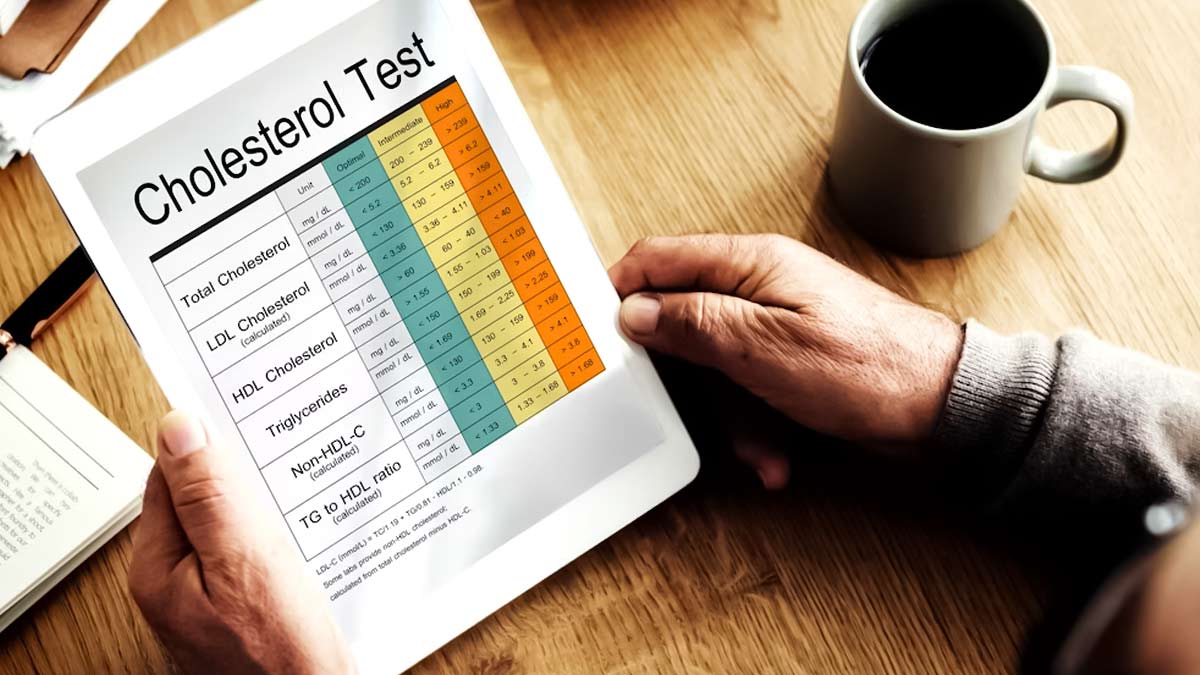
Understanding cholesterol numbers helps people know whether they are at risk. Doctors usually measure cholesterol through a lipid profile test, which includes:
- Total cholesterol
- LDL cholesterol
- HDL cholesterol
- Triglycerides
General cholesterol targets for adults:
- Total cholesterol: Less than 200 mg/dL
- LDL cholesterol: Less than 100 mg/dL
- HDL cholesterol: Above 40 mg/dL (men) and 50 mg/dL (women)
- Triglycerides: Less than 150 mg/dL
The ideal cholesterol level may vary depending on age, lifestyle, and medical history. People with heart disease or diabetes may need stricter targets.
What Causes High Cholesterol Levels?
High cholesterol can develop due to several lifestyle and genetic factors.
- Unhealthy diet: Foods rich in saturated fats and trans fats raise LDL cholesterol levels. Common culprits include fried foods, processed snacks, red meat and fat dairy products.
- Lack of activity: A sedentary lifestyle lowers HDL cholesterol and increases LDL levels. Regular exercise helps improve cholesterol balance.
- Obesity: Excess body weight increases the risk of cholesterol and heart disease.
- Smoking: Smoking damages artery walls. Reduces HDL cholesterol.
- Genetics: Some people inherit a condition called hypercholesterolemia, which causes very high cholesterol levels from a young age.
Are There Any Symptoms of High Cholesterol to Watch For?
High cholesterol is often called a “silent condition.” Most people do not experience symptoms until serious complications develop.
However, certain warning signs may appear in advanced cases.
Possible signs include:
- Chest pain (angina)
- Shortness of breath
- Fatigue during activity
- Yellowish deposits around eyes (xanthomas)
- Sudden weakness or dizziness
Most patients with high cholesterol feel completely normal. Symptoms usually appear only when arteries are already narrowed. That is why preventive testing is essential.
Regular screening remains the best way to detect high cholesterol early.
How Is Cholesterol Tested and Diagnosed?
Cholesterol levels are measured using a lipid profile blood test.
This test is simple and usually requires fasting for 8–12 hours.
Who should get tested?
Adults over 20 years, people with a family history of heart disease, individuals who are overweight, patients with diabetes or hypertension and smokers. Dr Gupta advises that routine cholesterol testing helps detect risk. Even healthy individuals should check their cholesterol every year. Early diagnosis allows treatment and lifestyle changes.
When Should You See a Doctor for High Cholesterol or Heart Disease Risk?
Regular health check-ups are important because high cholesterol often develops silently. Early detection allows timely lifestyle changes and treatment, which can significantly reduce heart disease risk.
You should see a doctor if:
- You have a family history of heart disease or high cholesterol
- Your blood test shows high LDL or total cholesterol levels
- You experience chest pain or tightness
- You feel short of breath during routine activities
- You have high blood pressure or diabetes
- You notice fatigue or reduced exercise tolerance
- You are overweight or physically inactive
- You are above 40 years of age and have never had a cholesterol test
Early medical advice helps identify risk factors and prevents complications such as a heart attack or stroke.
ALSO READ- Obesity and Heart Disease: How Are They Linked?
Conclusion
The connection between cholesterol and heart disease is clear and well supported by decades of research. While cholesterol is necessary for normal body functions, excess levels—especially LDL cholesterol can slowly damage arteries and increase the risk of heart attack and stroke. The biggest challenge is that high cholesterol often develops silently, without noticeable symptoms.
Regular testing, healthy eating habits, physical activity, and timely treatment can make a major difference in preventing heart disease. With consistent care and lifestyle awareness, many people can successfully manage cholesterol levels and protect their heart health for the long term.
FAQ
1. Can high cholesterol directly cause a heart attack?
Yes, high cholesterol can lead to plaque buildup inside arteries. Over time, these plaques may block blood flow or rupture, causing a heart attack.2. How often should cholesterol levels be checked?
Most adults should check cholesterol levels every 4–6 years, while those with risk factors like diabetes or family history may need more frequent testing.3. Is high cholesterol always caused by unhealthy eating?
No, diet is one factor, but genetics also plays a role. Some people inherit conditions that cause high cholesterol even with healthy habits.4. Can young adults have high cholesterol?
Yes, high cholesterol can affect young adults, especially those with family history, obesity, or sedentary lifestyles. Early testing helps detect problems sooner.5. Can cholesterol levels improve without medication?
Yes, many people can improve their cholesterol levels through lifestyle changes such as eating healthy foods, exercising regularly, and maintaining a healthy weight.
All possible measures have been taken to ensure accuracy, reliability, timeliness and authenticity of the information; however Onlymyhealth.com does not take any liability for the same. Using any information provided by the website is solely at the viewers’ discretion. In case of any medical exigencies/ persistent health issues, we advise you to seek a qualified medical practitioner before putting to use any advice/tips given by our team or any third party in form of answers/comments on the above mentioned website.
How we keep this article up to date:
We work with experts and keep a close eye on the latest in health and wellness. Whenever there is a new research or helpful information, we update our articles with accurate and useful advice.
-
Current Version
Apr 06, 2026 18:54 IST
Modified By : Vivek Kumar Apr 06, 2026 18:54 IST
Modified By : Vivek KumarApr 06, 2026 18:54 IST
Published By : Vivek Kumar
Reviewed By : Dr Deebanshu Gupta