
For decades, we’ve been told that high cholesterol is the main villain behind heart disease. Most of us breathe a sigh of relief when our blood reports show normal LDL levels. We assume our arteries are clear and our heart is safe. However, medical reality tells a much different story. Shockingly, a vast majority of people hospitalised for heart attacks actually have cholesterol levels that doctors consider ‘healthy.’ This ‘Cholesterol Paradox’ proves that a standard blood test is only one small piece of a much larger puzzle.
To understand why ‘good’ numbers can sometimes hide a ‘bad’ reality, we spoke with Dr Deebanshu Gupta, Cardiologist at Sarvodaya Hospital, Jalandhar. He explains that relying solely on a basic lipid profile can create a dangerous sense of false security.
Can You Really Have a Heart Attack With Normal Cholesterol?
The short answer is yes. Dr Gupta explains, “Normal cholesterol does not mean zero risk. We often see patients with normal reports who still develop heart disease.” Cholesterol plays a role in plaque buildup in arteries. But heart attacks can happen due to several other reasons too. This is why focusing only on cholesterol can give a false sense of security.
As per the Journal of the American Heart Association (JAHA), cholesterol ‘numbers’ don't always tell the whole story. The research found that many people with normal LDL (bad) cholesterol still have a high amount of plaque-building particles in their blood.
Even if the total weight of cholesterol looks low, these tiny particles can still seep into artery walls and cause a sudden blockage. This proves that factors like inflammation, smoking, and blood pressure are just as dangerous as high cholesterol when it comes to predicting a heart attack.
How Is Cholesterol Linked to Heart Attacks?
Cholesterol, especially LDL (bad cholesterol), can build up inside artery walls. Over time, this forms plaque. This narrows the arteries and reduces blood flow to the heart.

But here’s the key point.
Dr Gupta explains, “Cholesterol contributes to plaque formation, but a heart attack usually happens when a plaque suddenly ruptures. This can occur even if cholesterol levels are not very high.” So, while high cholesterol increases risk, normal levels don’t completely remove it.
What Other Factors Can Cause a Heart Attack?
Heart attacks are often the result of multiple risk factors working together.
Some common ones include:
- High blood pressure
- Diabetes or high blood sugar
- Smoking
- Obesity
- Lack of physical activity
- Chronic stress
Dr Gupta says, “In India, we are seeing younger patients with heart attacks. Lifestyle factors like stress, poor diet, and inactivity play a major role, even when cholesterol looks normal.”
What Does ‘Normal’ Cholesterol Really Mean?
Many people misunderstand what “normal” means. Cholesterol reports usually include:
- LDL (bad cholesterol)
- HDL (good cholesterol)
- Total cholesterol
- Triglycerides
Even if these numbers fall in the normal range, risk can still vary from person to person. “Normal ranges are general guidelines. They do not account for individual risk factors like family history or diabetes,” says Dr Gupta.
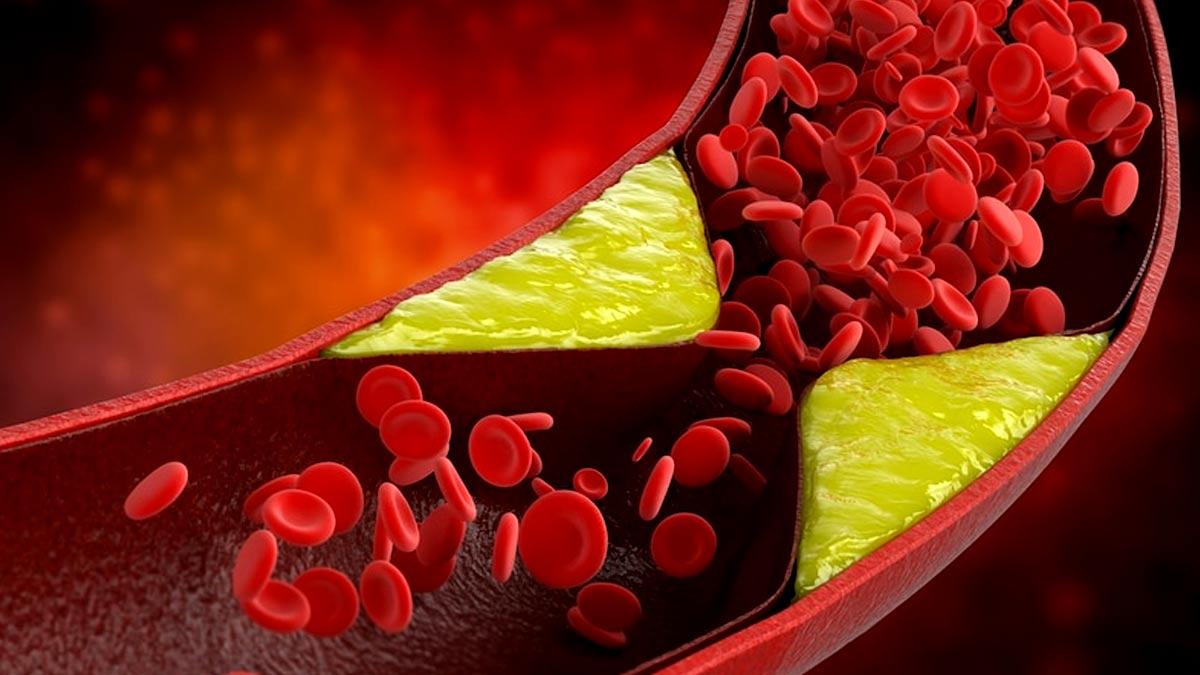
A study by UCLA Health reveals a surprising ‘cholesterol paradox.’ After looking at nearly 137,000 patients, researchers found that almost 75% of people hospitalised for a heart attack actually had normal LDL (bad) cholesterol levels according to current health guidelines.
In fact, about half of them had levels considered optimal. The study suggests that just having a good cholesterol score isn't enough to guarantee your heart is safe. Instead, other hidden factors like low HDL cholesterol, obesity, and diabetes may be the real triggers for these sudden attacks.
Can Arteries Still Get Blocked With Normal Cholesterol?
Yes, they can. Blockages are not caused by cholesterol alone. Inflammation inside the arteries also plays a big role. This can damage the inner lining and lead to plaque buildup.
Other factors that matter include:
- High triglycerides
- Lipoprotein(a), a genetic risk factor
- Chronic inflammation
Dr Gupta explains, “Some patients have normal cholesterol but high lipoprotein(a) or inflammation markers, which increase their risk.”
A study published in the Journal of the American College of Cardiology (JACC), challenges the idea that "normal" cholesterol means your arteries are clear. Researchers looked at nearly 1,800 people who appeared perfectly healthy, didn't smoke, had normal blood pressure, and had healthy blood sugar levels.
Surprisingly, the study found that about half of these individuals already had "silent" plaque buildup (atherosclerosis) in their arteries, even with LDL (bad) cholesterol levels as low as 60 to 70 mg/dL. This suggests that even optimal cholesterol levels can still lead to blocked arteries if other factors, like genetics or subtle inflammation, are at play.
Are There Hidden Risk Factors People Often Miss?
Yes, and this is where many people go wrong.
Common hidden risks include:
- Family history of heart disease
- High stress levels
- Poor sleep
- Abdominal fat (even in people who look slim)
- Prediabetes
“Genetics is a strong factor. If heart disease runs in the family, the risk remains even with normal cholesterol,” Dr Gupta adds.
ALSO READ- What Is a Silent Heart Attack? Subtle Symptoms You Should Never Ignore
What Are the Warning Signs of a Heart Attack?
Symptoms can vary. Some are obvious, while others are subtle.
Common signs include:
- Chest pain or pressure
- Pain in the arm, jaw, or back
- Shortness of breath
- Sweating
- Nausea
But not everyone experiences classic symptoms. “Some patients only feel fatigue or mild discomfort. These signs are often ignored,” says Dr Gupta.
The World Health Organization (WHO) emphasises that recognising the warning signs of a heart attack early is the best way to prevent permanent heart damage. While many people expect a sudden, movie-style collapse, the WHO notes that symptoms often start slowly. Common signs include discomfort or pain in the centre of the chest, which may feel like uncomfortable pressure, squeezing, or fullness.
This pain can spread to the left shoulder, arms, jaw, or back. Other critical silent signals to watch for include sudden shortness of breath, feeling lightheaded or faint, and breaking into a cold sweat or feeling nauseous.
How Do Doctors Assess Risk Beyond Cholesterol?
Doctors look at the bigger picture.
They may recommend:
- Blood pressure checks
- Blood sugar tests
- ECG (electrocardiogram)
- Stress tests
- CT scan or calcium scoring
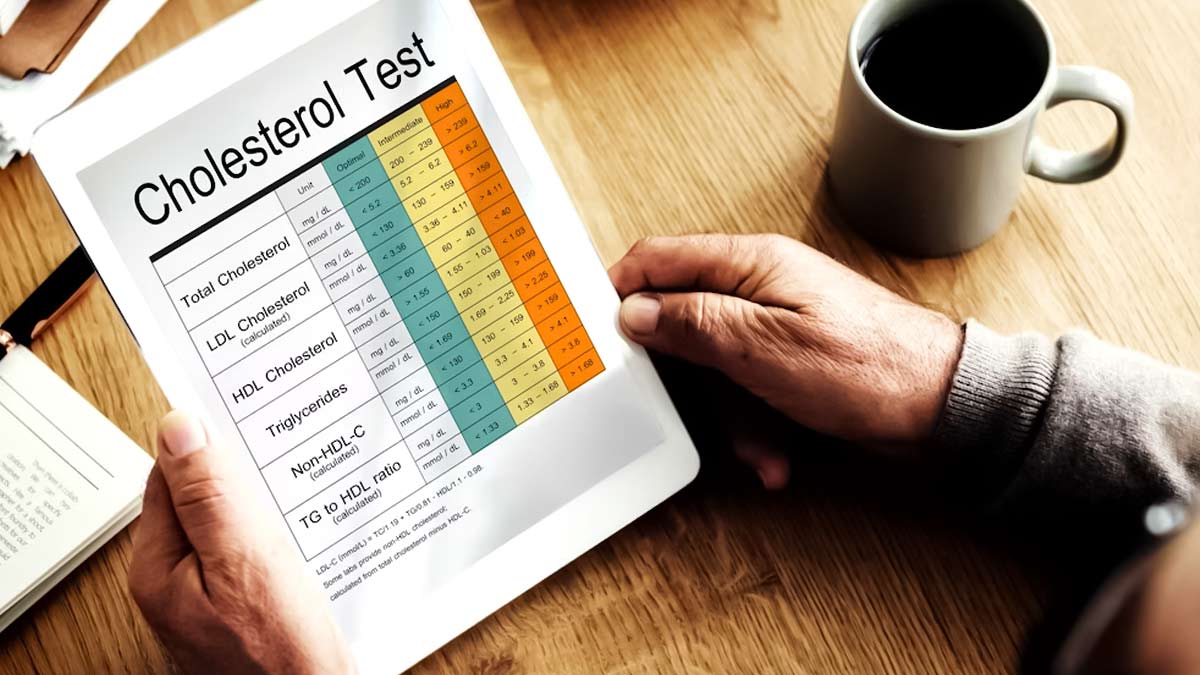
Dr Gupta says, “We assess overall cardiovascular risk, not just cholesterol. A combination of tests gives a clearer picture.”
Who Is at Risk Despite Normal Cholesterol?
Certain people may still be at higher risk:
- People with diabetes
- Smokers
- Those with high stress
- Individuals with a family history
- Sedentary individuals
“Young professionals with high stress and poor lifestyle habits are increasingly at risk,” Dr Gupta notes.
How Can You Reduce Your Risk?
Even if your cholesterol is normal, you should still take preventive steps.
Here’s what helps:
- Stay physically active
- Eat a balanced diet
- Avoid smoking
- Manage stress
- Get regular health check-ups
Dr Gupta advises, “Heart health is about consistency. Small daily habits matter more than one normal report.”
When To See a Doctor
A study published in the journal Cureus highlighted that early recognition of heart attack symptoms and timely medical care are critical for improving survival and reducing complications. The researchers stressed that understanding symptoms and seeking help quickly can lead to faster treatment and better outcomes in people at risk of heart attacks.
See a doctor or go to the nearest hospital right away if you have:
- Chest pain, pressure, or tightness that lasts more than a few minutes
- Pain spreading to the arm, jaw, back, or shoulder
- Sudden shortness of breath
- Cold sweats, nausea, or dizziness
- Unusual fatigue or weakness, especially if it starts suddenly
ALSO READ- Thyroid and Heart Disease: What Happens When Both Conditions Coexist?
Conclusion
Normal cholesterol is a good sign, but it is not a guarantee of heart health. Heart attacks can still happen due to other risk factors like stress, diabetes, or genetics. The key is to look at the bigger picture. Pay attention to your lifestyle, listen to your body, and go for regular check-ups. Your heart health depends on more than just one number.
FAQ
1. Can a person have a heart attack even if their cholesterol is normal?
Yes, it is possible to have a heart attack even when cholesterol levels are normal. Cholesterol is only one risk factor. Other factors like high blood pressure, diabetes, smoking, stress, and family history can also increase the risk of heart attacks.2. Why do heart attacks happen even with normal cholesterol levels?
Heart attacks can happen due to plaque buildup, inflammation, or sudden rupture of plaque inside the arteries. Even with normal cholesterol, factors like genetics, diabetes, smoking, and unhealthy lifestyle habits can damage the arteries and lead to blockage.3. What other tests should be done besides cholesterol to check heart risk?
Doctors may suggest tests like blood pressure checks, blood sugar tests, ECG, stress tests, or calcium scoring scans. These tests help give a better picture of overall heart health, not just cholesterol levels.4. What are the warning signs of a heart attack that people should not ignore?
Common warning signs include chest pain or pressure, pain in the arm or jaw, shortness of breath, sweating, nausea, and unusual tiredness. Some people may have mild symptoms, so any sudden discomfort should be checked by a doctor.5. How can you reduce your risk of a heart attack if your cholesterol is normal?
You can lower your risk by staying physically active, eating a healthy diet, avoiding smoking, managing stress, maintaining a healthy weight, and getting regular health check-ups. Healthy daily habits are important for long-term heart health.
All possible measures have been taken to ensure accuracy, reliability, timeliness and authenticity of the information; however Onlymyhealth.com does not take any liability for the same. Using any information provided by the website is solely at the viewers’ discretion. In case of any medical exigencies/ persistent health issues, we advise you to seek a qualified medical practitioner before putting to use any advice/tips given by our team or any third party in form of answers/comments on the above mentioned website.
How we keep this article up to date:
We work with experts and keep a close eye on the latest in health and wellness. Whenever there is a new research or helpful information, we update our articles with accurate and useful advice.
-
Current Version
Apr 21, 2026 17:04 IST
Modified By : Vivek Kumar Apr 21, 2026 17:04 IST
Modified By : Vivek KumarApr 21, 2026 17:04 IST
Published By : Vivek Kumar
Reviewed By : Dr Deebanshu Gupta