Can You Get Tanned In Winter? Here's Why Cold Weather Does Not Protect Your Skin

Winter feels like a break from the sun. The air is cold. The light looks softer. So many of us skip sunscreen from November to February. But your skin does not read the thermometer. It reacts to light. A bright afternoon on the terrace can still leave your face and hands a shade darker. UV means ultraviolet, an invisible light from the sun. The short answer: yes, you can tan in winter, because tanning comes from UV rays, not heat. Here is how it happens, why Indian skin needs extra care, and what to do about it.
Why Does Cold Weather Not Stop A Tan?
Dr Karuna Malhotra, Cosmetologist, Skin Specialist and Founder, Advanced Skin Clinic, New Delhi, “Yes. Tanning comes from ultraviolet (UV) rays, not from heat. A cold day can still carry enough UV to darken your skin, especially if you spend hours outdoors in bright winter sun.”
- Heat and UV are different. You can feel heat. You cannot feel UV.
- UVB, the burning ray, is lower in winter. A mild tan can still build up slowly.
- UVA, the ageing ray, is still there. It also passes through clouds and window glass.
- Your skin makes melanin, the brown pigment, to protect itself. That is a tan.
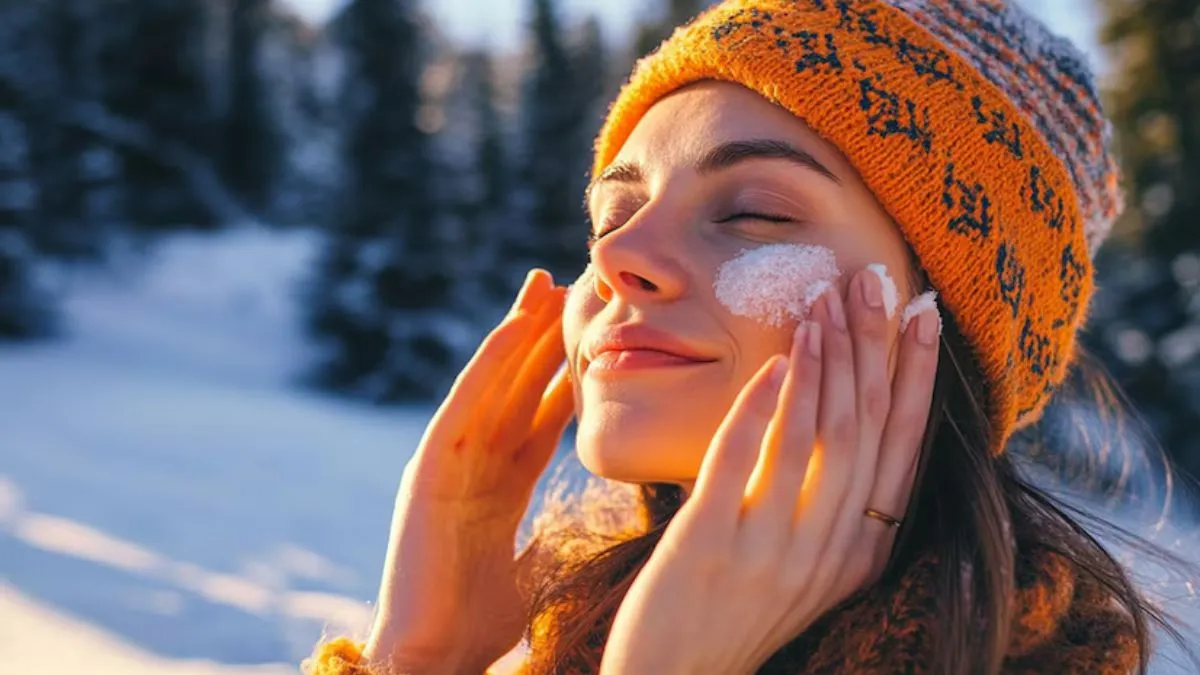
A 2024 review in Clinical, Cosmetic and Investigational Dermatology backs this up. It says UVA and visible light can pass through clouds and window panes. A grey day or a sunny office window is not a safe zone. The authors add that sun exposure plays a vital role in melasma, a condition that causes dark patches.
ALSO READ- Tanning Removal Soaps: Do They Really Work and Who Should Avoid Them?
What Makes Winter Sun Stronger Than It Feels?
Dr Malhotra explains, “A cool breeze hides the warning sign, so people stay out longer without noticing.”
- Clear, bright days. Thin clouds still let a large share of UV through.
- Reflection. Snow, water and light surfaces bounce UV back onto your skin.
- Altitude. UV rises as you climb, so hill stations are more intense.
- Long hours outside. Terraces, gardens, markets and weddings add up.
- No heat. Without the warning of warmth, people stay out longer.
Why Does It Matter More for Indian Skin?
Dr Malhotra says, “Darker skin has more melanin, so it burns less but tans and pigments easily. Winter sun can darken the face, hands and neck, worsen melasma and dark spots, and make acne marks last longer.” Melasma means brown or grey patches, often on the cheeks and forehead.
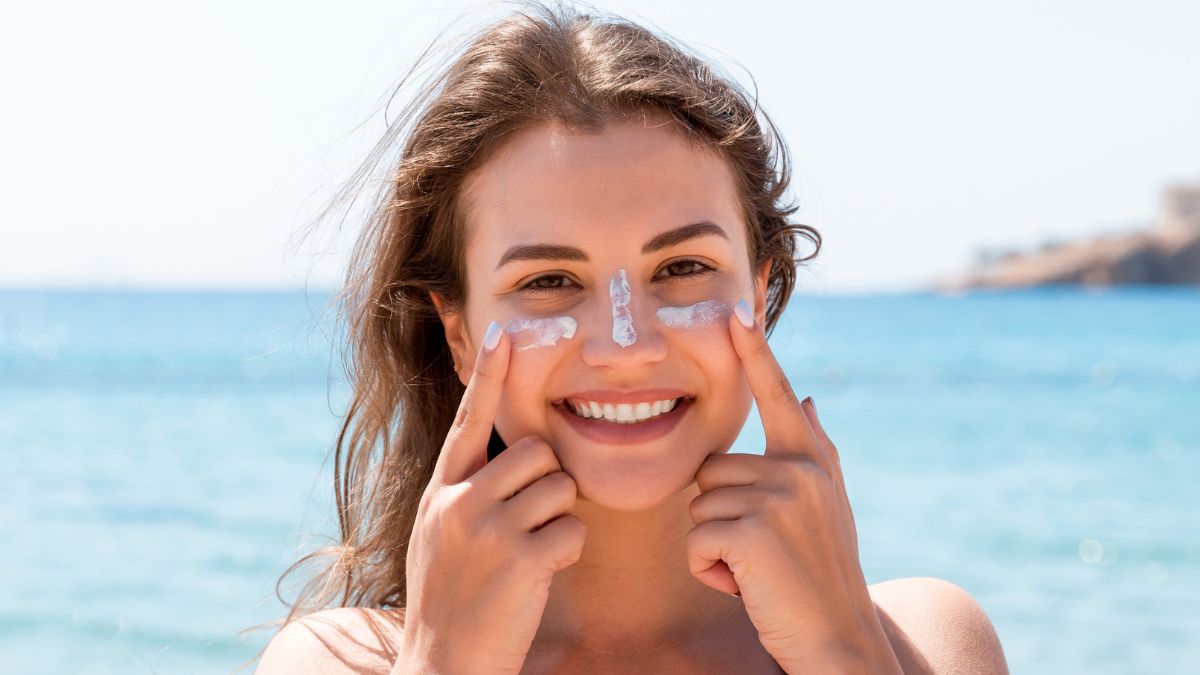
A 2022 review in Photodermatology, Photoimmunology and Photomedicine studied melasma. It found that visible light and long wave UVA play a key role. It also found that most people with melasma do not follow sun protection advice, such as using sunscreen.
How Can You Protect Your Skin in Winter?
Dr Malhotra advises, “Wear a broad spectrum sunscreen with SPF 30 or higher and a PA rating of PA+++ or more, every morning.”
- Broad spectrum means it blocks both UVA and UVB. The PA rating shows UVA protection.
- Use about two finger lengths for the face and neck. Reapply every two to three hours outdoors.
- Wear a hat, sunglasses and full sleeves.
- Sit in the shade between 10 am and 4 pm.
- Cover the backs of your hands, ears and neck.
- Moisturise too. Cold air dries skin and makes it more sensitive.
- Check the UV index on a weather app, not the temperature.
Can Winter Sun Fix Your Vitamin D?
Dr Malhotra says, “Long hours of sun are not needed, and they raise the risk of pigmentation and skin damage. If you are worried about low vitamin D, ask your doctor about a test.”
A 2021 review in the Indian Journal of Medical Research looked at sun exposure and vitamin D. It notes that darker skin types may need more time in the sun to make the same amount. So guessing is risky. A blood test shows where you really stand.
When Should You See A Dermatologist?
Dr Malhotra advises, “See a doctor for dark patches that are spreading or not fading, or a mole that changes shape, size or colour.”
Also get help for:
- Burning, peeling or blistering skin
- Pigmentation that worsens despite sunscreen
ALSO READ- Aloe Vera Gel Vs Moisturiser: Which Works Better For Indian Dry Skin In Winters?
Conclusion
Dr Malhotra says, “You can tan in winter because UV, not heat, causes tanning. Wear sunscreen daily, cover up and avoid long hours in bright sun, even on cold days.”
FAQ
Can you tan through a car or office window?
It is possible. UVA can pass through window panes. If you sit by a sunny window for hours, wear sunscreen.Does a winter tan fade on its own?
Often, yes, but slowly. It fades as old skin cells are replaced over a few weeks. Daily sunscreen stops it from deepening. Patches that stay or spread need a doctor’s check.
All possible measures have been taken to ensure accuracy, reliability, timeliness and authenticity of the information; however Onlymyhealth.com does not take any liability for the same. Using any information provided by the website is solely at the viewers’ discretion. In case of any medical exigencies/ persistent health issues, we advise you to seek a qualified medical practitioner before putting to use any advice/tips given by our team or any third party in form of answers/comments on the above mentioned website.
How we keep this article up to date:
We work with experts and keep a close eye on the latest in health and wellness. Whenever there is a new research or helpful information, we update our articles with accurate and useful advice.
-
Current Version
Nov 22, 2026 13:15 IST
Published By : Vivek Kumar
Reviewed By : Dr Karuna Malhotra