
You lie down for a quick nap hoping to feel refreshed, and instead wake up with a pounding headache. Sound familiar? It happens more often than you'd think, and there's a real explanation behind it. Napping seems like the simplest form of rest, yet it doesn't always leave you feeling better.
Sometimes it does the opposite, leaving your head throbbing and your mood worse than before you lay down. The good news is that this reaction has clear, well-understood causes, and most of them are easy to fix once you know what to look for. Here is what an expert wants people to understand about this frustrating experience.
Why Napping Sometimes Causes a Headache
"Headaches after napping usually come down to a few common triggers," says Dr Tushar Raut, Consultant, Neurology, Kokilaben Dhirubhai Ambani Hospital, Mumbai. Sleeping too long, sleeping too lightly, or disrupting the body's natural sleep cycle can all leave you feeling groggy rather than refreshed.
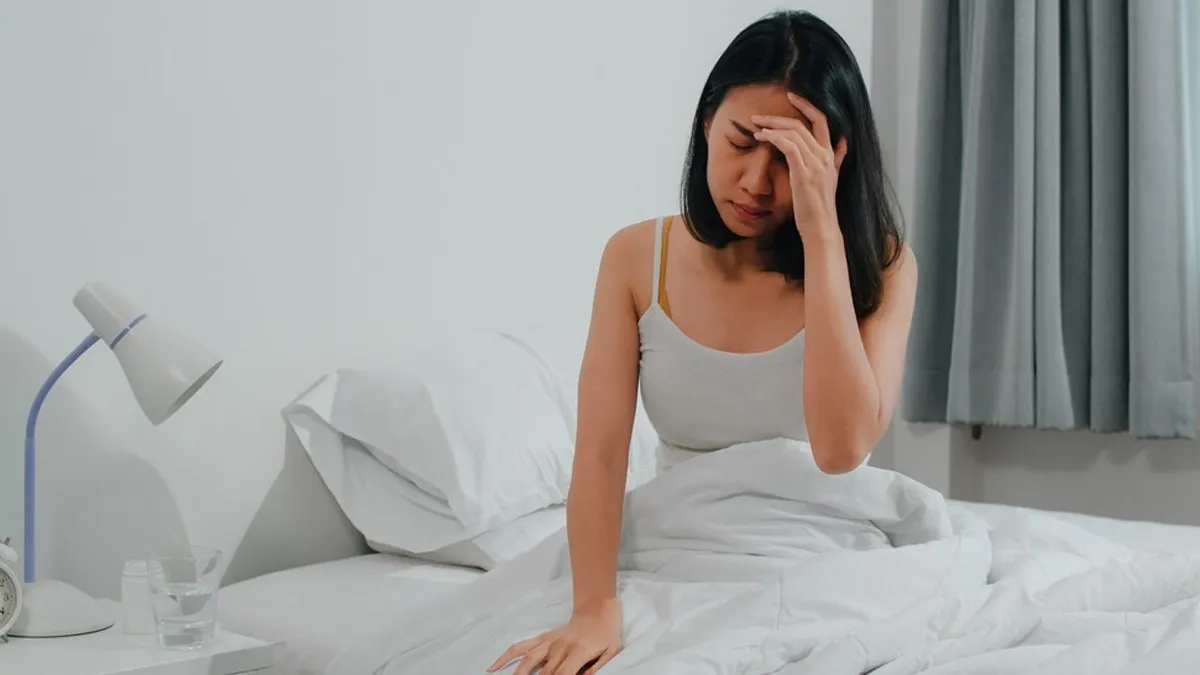
He breaks down the most common reasons behind this reaction:
- Long naps, especially over 30 to 40 minutes, can push the body into deep sleep, and waking from deep sleep often causes grogginess and headache, sometimes called sleep inertia
- Napping can lower blood sugar levels, particularly if the nap follows a meal or a longer gap without eating, contributing to headache upon waking
- Dehydration during the day can be more noticeable after a nap, as the body's fluid needs continue even during rest
- Napping in an awkward position can cause tension in the neck and shoulders, leading to a tension type headache
- Napping too late in the day can disrupt the body's internal clock, affecting sleep quality and sometimes triggering headaches related to disrupted circadian rhythm
- For some people, napping can trigger a change in blood vessel activity in the brain, similar to what happens with certain headache or migraine patterns
Is a Headache After Napping Something Serious?
In most cases, no, according to Dr Raut. Occasional headaches after napping are usually linked to nap duration, timing, or mild dehydration rather than anything serious.
He does flag when it's worth paying closer attention. It's worth paying closer attention if headaches after napping become frequent, severe, or are accompanied by other symptoms, since this could point to an underlying issue like migraines, sleep apnoea, or another condition that needs proper evaluation.
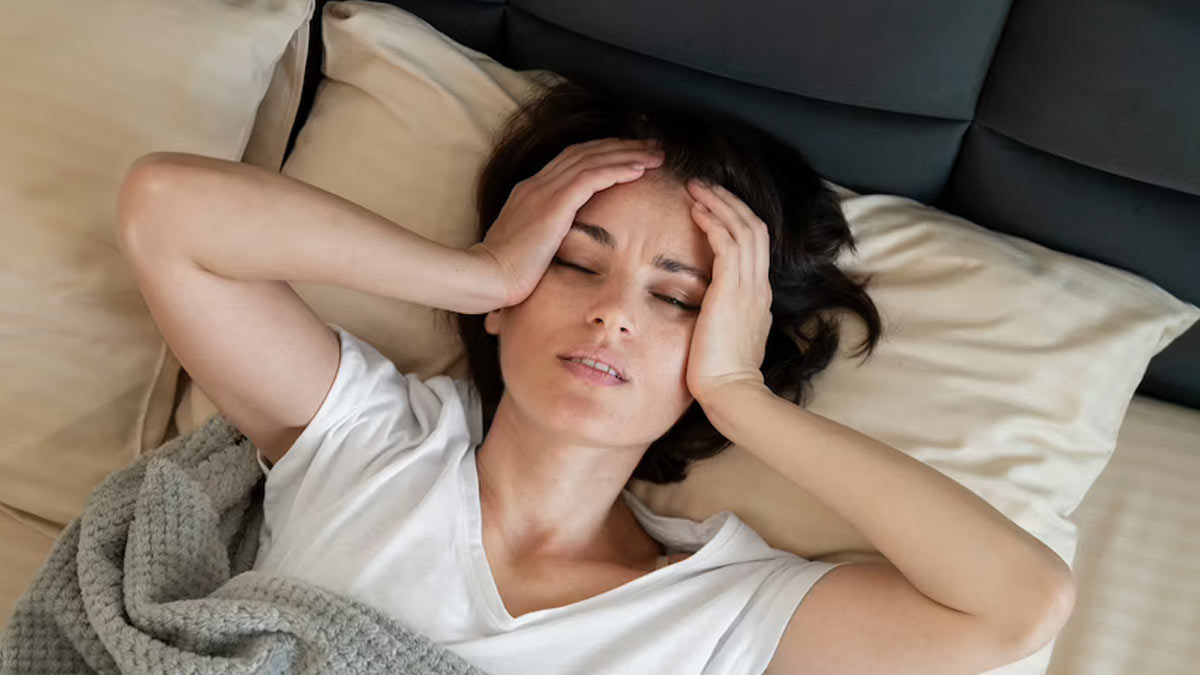
According to the American Migraine Foundation, many people nap to relieve headache pain. This can feel good at first, but over time it can create sleep problems. Spending too much time in bed, including napping a lot during the day, can confuse the body. It starts to lose the link between "bed" and "night-time sleep."
This can lead to poor sleep at night. And poor sleep often causes more headaches. Research shows bad sleep is more likely to trigger head pain the next day than the other way around. So a nap that feels like relief can quietly disrupt your sleep pattern. Over time, this may bring on more headaches, not fewer. Better sleep habits, not naps, tend to help the most.
When Should You See a Doctor About Post-Nap Headaches?
Dr Raut outlines specific situations that call for medical evaluation:
- If headaches after napping happen frequently rather than occasionally
- If the headache is severe or different from typical headaches experienced before
- If accompanied by other symptoms such as nausea, visual disturbances, confusion, or weakness
- If there's a pattern of loud snoring, gasping, or breathing pauses during sleep, which could suggest sleep apnoea
- If headaches are affecting daily functioning or becoming a regular disruption to routine
- If there's a sudden change in headache pattern that feels distinctly different from before
How Can You Prevent Headaches After Napping?
Dr Raut shares practical steps to nap without waking up in pain:
- Keep naps short, ideally between 15 and 20 minutes, to avoid entering deep sleep
- Nap earlier in the day rather than late afternoon, to avoid disrupting nighttime sleep and the body's natural rhythm
- Stay hydrated throughout the day, not just around nap time
- Maintain a comfortable sleeping position that supports the neck properly, even for short naps
- Avoid napping immediately after a heavy meal, since this can affect blood sugar levels and worsen grogginess
- Keep a consistent nap schedule if napping regularly, so the body can adjust to a predictable pattern rather than irregular rest periods
Why Timing Matters More Than People Realise
It's easy to assume any nap is a good nap, but Dr Raut's explanation shows just how much timing and duration shape the outcome. A short, well-timed nap can leave you refreshed, while a longer nap at the wrong time can do the opposite. Understanding this distinction helps explain why the same person can feel great after one nap and terrible after another, seemingly for no clear reason.
ALSO READ- Can Sleeping With Socks On Really Help You Sleep Better? Here's What An Expert Says
Conclusion
A headache after an afternoon nap is usually harmless, tied to nap length, timing, posture, or hydration rather than anything serious. Adjusting how and when you nap, keeping it short, earlier in the day, and well hydrated, can make a real difference. That said, frequent or severe headaches after napping, especially alongside other symptoms, are worth discussing with a doctor rather than dismissing as just bad luck.
FAQ
1. Can certain medications make headaches after napping more likely?
Yes, some medications, including certain blood pressure drugs or sedatives, can affect sleep depth and blood vessel activity, potentially making post-nap headaches more likely.2. Does the room environment, like lighting or noise, affect the chances of getting a headache after a nap?
Yes, napping in a bright or noisy environment can lead to lighter, more easily disrupted sleep, which may increase the chances of waking up feeling groggy or with a headache. A quiet, dim, and comfortable environment tends to support better quality rest, even during a short nap.
All possible measures have been taken to ensure accuracy, reliability, timeliness and authenticity of the information; however Onlymyhealth.com does not take any liability for the same. Using any information provided by the website is solely at the viewers’ discretion. In case of any medical exigencies/ persistent health issues, we advise you to seek a qualified medical practitioner before putting to use any advice/tips given by our team or any third party in form of answers/comments on the above mentioned website.

How we keep this article up to date:
We work with experts and keep a close eye on the latest in health and wellness. Whenever there is a new research or helpful information, we update our articles with accurate and useful advice.
-
Current Version
Aug 11, 2026 14:53 IST
Published By : Vivek Kumar
Reviewed By : Dr Sandeep Doshi