
Struggling to drift off at night? The answer might be as simple as putting on a pair of socks. It sounds like an old habit passed down from grandparents, but there's genuine science behind it. Sleep experts say warming your feet before bed can influence how quickly your body settles into rest.
Curious how a humble pair of socks could affect something as complex as sleep? Here's what a consultant physician has to say about the link between warm feet and better sleep.
Why Does Wearing Socks to Bed Affect Sleep?
Falling asleep isn't just about feeling tired. It's also about temperature.
Dr Sandeep Doshi, Consultant – Internal Medicine, Kokilaben Dhirubhai Ambani Hospital (KDAH), Mumbai, explains, "Yes, for many people it can. This isn't just a comfort preference. There's a physiological basis to it involving how the body regulates temperature to fall asleep."
According to Dr Doshi, sleep onset is closely tied to a drop in core body temperature. Warming your feet with socks helps dilate blood vessels in the extremities, a process known as vasodilation. This allows heat to escape more efficiently through the hands and feet, which in turn helps the core body temperature fall faster. That drop signals to the body that it's time to sleep.
In short, warm feet, cooler core, quicker sleep.

According to a study published in the Journal of Physiological Anthropology, wearing bed socks can genuinely help you sleep better. Researchers tested six young men who slept for seven hours in a cool room, once with bed socks and once without. Sleep-onset time was 7.5 minutes shorter, total sleep time was 32 minutes longer, and there were fewer awakenings when wearing socks.
It was found that sleep efficiency also improved by 7.6%. Foot temperature stayed 1.3°C warmer with socks on. However, core body temperature, heart rate, and how "comfortable" people felt did not change much.
In simple terms, warm feet help the body relax faster. This makes falling asleep easier and keeps sleep steadier through the night. The study was small, with just six participants, so more research is needed. Still, it gives real scientific backing to a very old bedtime habit.
How Warm Feet Help You Fall Asleep Faster
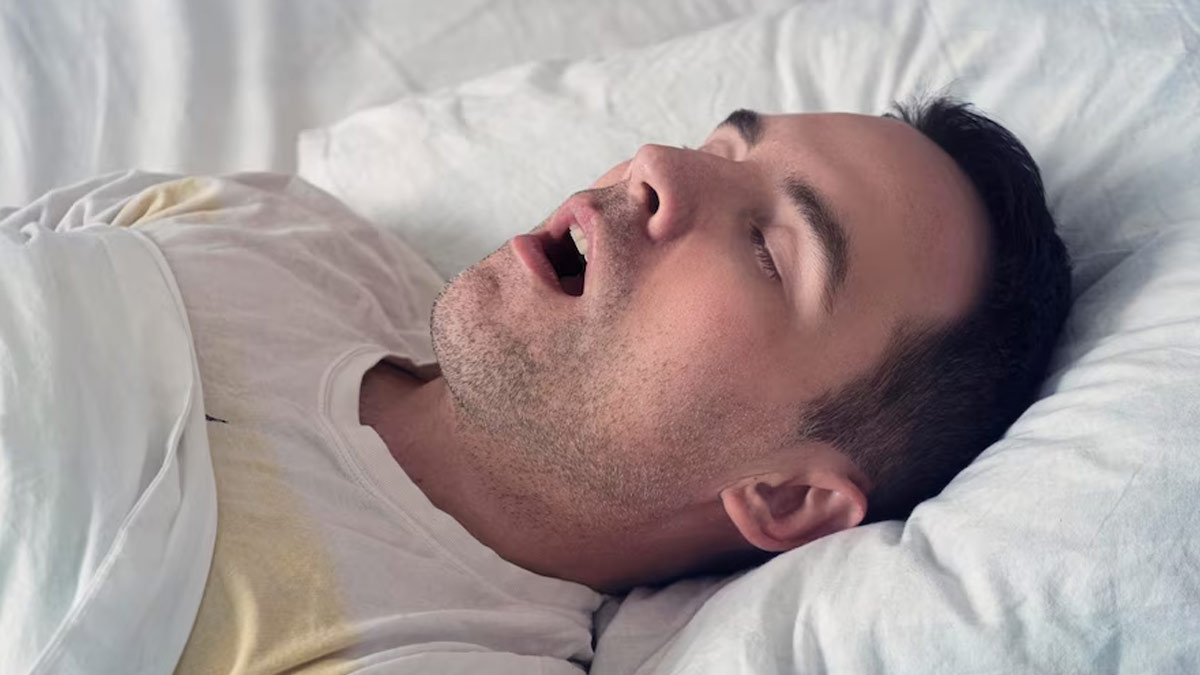
So how exactly does this play out at night? Dr Doshi breaks it down:
- Warm feet promote faster vasodilation, which speeds up the natural cooling process needed for sleep onset.
- It can reduce the time it takes to fall asleep, since the body reaches its ideal pre-sleep temperature more quickly.
- It may reduce nighttime awakenings, since cold feet can be a subtle disruptor of sleep continuity for some people.
- Improved blood circulation to the feet can ease general discomfort that might otherwise cause restlessness.
None of this means socks are a magic fix. But for people whose feet run cold, especially through the night, this small change could make a real difference to how quickly they nod off and how well they stay asleep.
What Are the Benefits of Sleeping With Socks On?
The benefits, according to Dr Doshi, go beyond simply feeling cosy.
- Potentially faster sleep onset
- Fewer nighttime disturbances related to feeling cold
- Improved circulation, particularly helpful for those with naturally cold hands and feet
- A simple, low-cost, and low-risk sleep aid compared to other interventions
That last point is worth noting. Unlike supplements, sleep aids or gadgets, socks are cheap, accessible and carry very little risk for most healthy adults.
Who Should Avoid Sleeping With Socks On?
This trick isn't right for everyone. Dr Doshi flags a few groups who should be more cautious.
- Those with diabetes or peripheral neuropathy should be careful, since reduced sensation in the feet can make it harder to notice if socks are too tight or causing skin issues overnight.
- People with poor circulation or conditions like Raynaud's disease should check with a doctor first, since sock material and fit matter more for them.
- Anyone prone to excessive sweating at night might find socks uncomfortable or counterproductive, as they can trap moisture and increase the risk of skin irritation.
If you fall into any of these categories, it's worth a conversation with your doctor before making socks part of your nightly routine.
Choosing the Right Socks for Better Sleep
Not all socks are created equal when it comes to sleep. Dr Doshi advises using clean, breathable, and appropriately fitted socks, rather than tight or synthetic ones. Overly tight socks can restrict circulation, while synthetic materials can trap heat unevenly and leave feet feeling clammy rather than comfortably warm.
A few practical pointers:
- Choose natural, breathable fabrics such as cotton or wool blends.
- Avoid socks with tight elastic bands around the ankle.
- Change into fresh socks each night rather than reusing worn ones.
- If your feet overheat quickly, opt for a thinner, looser pair.
ALSO READ- Are You Sleeping The Wrong Way? How To Biohack Your Way To Better Rest
Conclusion
Sleeping with socks on isn't a cure for insomnia, but it does have a genuine physiological basis. By encouraging vasodilation and helping the core body temperature drop, warm feet can nudge the body towards sleep a little faster. For most healthy adults, it's a low-risk habit worth trying, especially on cold nights. Those with circulation issues, nerve damage or a tendency to overheat should take a more cautious approach and speak to a doctor first.
FAQ
Is it better to change sock thickness depending on the season?
Yes. Thicker socks may help on cold nights, but during warmer months or in heated bedrooms, a thin, breathable pair is usually enough to get the same temperature-regulating effect without overheating.Can warming your feet another way, without socks, offer similar sleep benefits?
Yes. A warm foot soak or a hot water bottle placed near the feet before bed can trigger the same vasodilation process, making it a useful alternative for anyone who finds socks uncomfortable overnight.
All possible measures have been taken to ensure accuracy, reliability, timeliness and authenticity of the information; however Onlymyhealth.com does not take any liability for the same. Using any information provided by the website is solely at the viewers’ discretion. In case of any medical exigencies/ persistent health issues, we advise you to seek a qualified medical practitioner before putting to use any advice/tips given by our team or any third party in form of answers/comments on the above mentioned website.

How we keep this article up to date:
We work with experts and keep a close eye on the latest in health and wellness. Whenever there is a new research or helpful information, we update our articles with accurate and useful advice.
-
Current Version
Aug 07, 2026 15:14 IST
Published By : Vivek Kumar
Reviewed By : Dr Sandeep Doshi