
Are you someone who is juggling work, family and personal health goals? Well, this may be the story of most of our lives. But if you are sacrificing sleep to balance all aspects of your life, then think again. This is because sleeping less could be cutting your lifespan shorter. Yes, you read that right. As per a recent study, researchers found a link between less sleep and longevity. Researchers who analysed the data discovered that insufficient sleep is more closely linked to shorter life expectancy than diet, exercise, or loneliness.
To get a clear picture of this from an expert lens, we reached out to Dr Brunda MS, Sr Consultant - Internal Medicine, Aster CMI Hospital, Bangalore. Read on.
Can Sleeping Less Than 7 Hours Reduce Lifespan?
First, let us try and understand the truth behind the claims that study. We ask our expert whether sleeping less than 7 hours can actually impact our lifespan.
“Sleeping less than seven hours regularly can reduce lifespan over time. Poor sleep affects the body’s ability to repair itself and weakens the immune system. It increases the risk of heart disease, diabetes, obesity, and high blood pressure. Lack of sleep also affects brain health, leading to memory problems and slower thinking,” explains Dr Brunda MS.
The expert adds, “Long-term sleep loss can raise stress levels and hormonal imbalance. It may also increase the risk of depression and accidents. While occasional short sleep is normal, making it a habit can harm overall health and longevity. Getting enough sleep supports a longer and healthier life.”
 less sleep 1
How Does The Body Signal Sleep Deprivation?
Sleep deprivation should not be taken lightly. But how does our body signal us when we are sleep deprived? “The body gives many signals when it does not get enough sleep,” shares Dr Brunda MS. On this note, our expert lists down some symptoms for us:
- People may feel constant tiredness, heavy eyes, and frequent yawning during the day. Concentration becomes difficult, and memory may feel weaker.
- Mood changes like irritability, sadness, or anxiety are common.
- The body may feel slow, with headaches or body aches.
- Hunger may increase, especially for sugary or fatty foods.
- Skin can look dull, and dark circles may appear.
- Frequent illness can also be a sign, as poor sleep weakens immunity. These signals show the body needs proper rest.
ALSO READ - Sleep Debt and Its Hidden Impact on Hormones, Heart and Kidneys, Expert Weighs In
Tips To Get Good Quality Sleep
On this note, Dr Brunda MS lists down some hacks to get good quality and enough sleep at night:
- Getting good quality sleep starts with maintaining a regular sleep schedule by going to bed and waking up at the same time every day.
- Create a calm bedtime routine like reading or deep breathing to relax the mind.
- Keep the bedroom dark, quiet, and cool for better rest.
- Avoid screens, caffeine, and heavy meals before bedtime.
- Regular physical activity during the day can improve sleep but avoid intense exercise late at night.
- Manage stress through meditation or light stretching.
- Limit daytime naps and get natural sunlight in the morning to support healthy sleep patterns.
 less sleep 2
What Are The Other Side Effects Of Sleeping Less Than 7 Hours?
Sleeping less than seven hours can cause many side effects over time. Dr Brunda Ms jots them for us:
- It can weaken concentration and decision-making, leading to mistakes and accidents. Mood problems like irritability, anxiety, and low motivation are common.
- The body’s metabolism slows down, increasing weight gain and sugar cravings. Immunity becomes weaker, making infections more frequent.
- Hormonal imbalance can affect appetite and stress levels.
- Skin may age faster, showing dullness and dark circles.
- Long-term sleep loss can increase blood pressure and strain the heart.
“These effects show how important proper sleep is for both physical and mental health,” adds the expert.
 less sleep 3
What Is The Right Duration Of Sleep For Good Health?
Last but not the least, is there a specific duration of sleep that can help us stay healthy? “The right duration of sleep for overall wellbeing depends on age and individual needs, but most adults need seven to nine hours of sleep each night. This amount allows the body and mind to rest, repair, and function properly. Children and teenagers need more sleep to support growth and brain development,” says the expert.
“Older adults may sleep slightly less but still need good quality rest. Getting enough sleep helps improve memory, mood, immunity, and heart health. Regular and adequate sleep also supports energy levels and mental balance. Consistent sleep habits are as important as the number of hours slept,” concludes Dr Brunda MS.
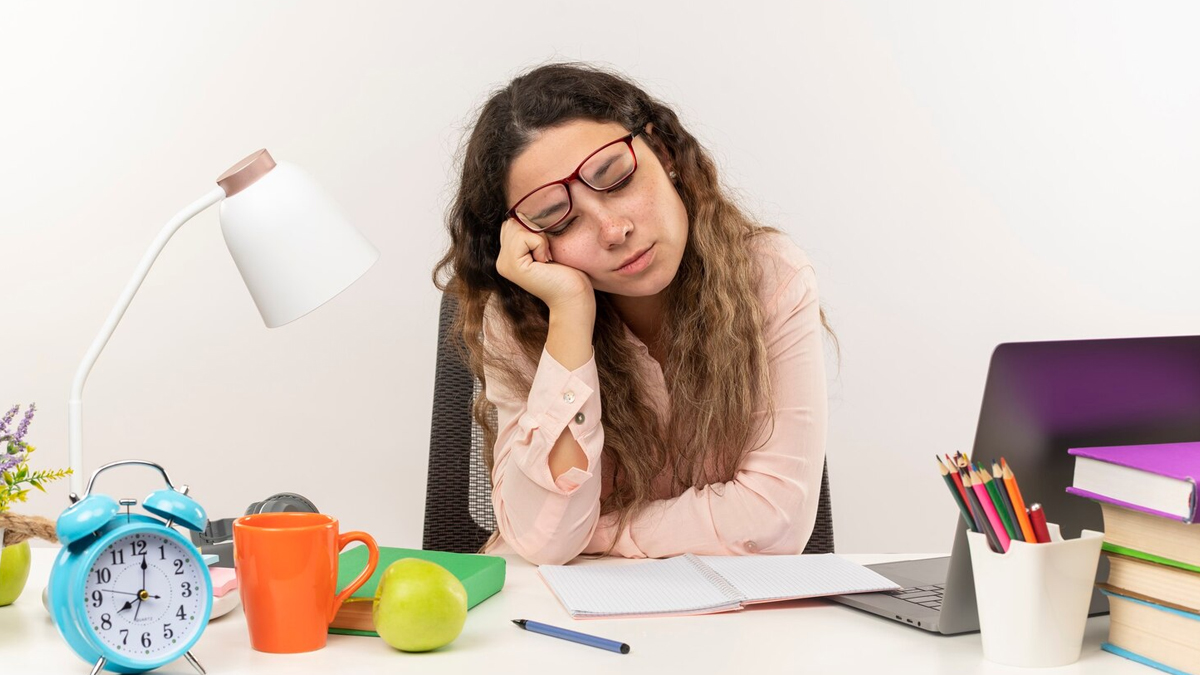 less sleep 4
The Final Word
As per a new study, sleeping less than 7 hours may cut down years from your life. Thus, experts suggest having a consistent sleep routine and getting 7-9 hours of sleep daily can improve your overall wellbeing.
ALSO READ - Can Sleep Apnea Impact Your Weight?
FAQ
What does lack of sleep cause?
Long-term lack of sleep also raises your risk of obesity, diabetes, depression, high blood pressure, stroke, and heart disease.How much sleep is too little?
For adults, getting less than seven hours of sleep a night on a regular basis has been linked with poor health.What organ is most affected by lack of sleep?
While every organ in the body is affected by poor sleep, the brain takes the biggest hit.
All possible measures have been taken to ensure accuracy, reliability, timeliness and authenticity of the information; however Onlymyhealth.com does not take any liability for the same. Using any information provided by the website is solely at the viewers’ discretion. In case of any medical exigencies/ persistent health issues, we advise you to seek a qualified medical practitioner before putting to use any advice/tips given by our team or any third party in form of answers/comments on the above mentioned website.

How we keep this article up to date:
We work with experts and keep a close eye on the latest in health and wellness. Whenever there is a new research or helpful information, we update our articles with accurate and useful advice.
-
Current Version
Feb 19, 2026 23:01 IST
Modified By : Chanchal Sengar Feb 19, 2026 23:01 IST
Modified By : Chanchal SengarFeb 19, 2026 23:01 IST
Published By : Shruti Das
Reviewed By : Dr Brunda M S