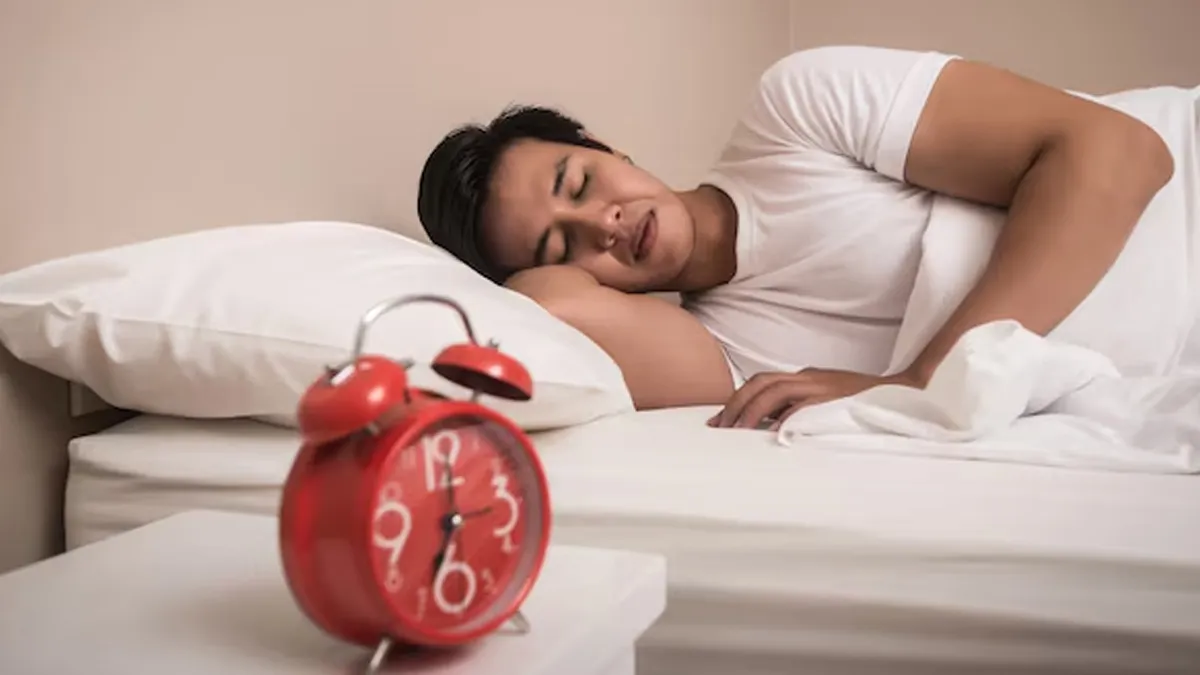
You must have heard about sleep apnea? It is a sleep disorder, where breathing repeatedly stops and restarts during sleep. This prevents the body from getting enough oxygen. Snoring is one of the most prominent symptoms of sleep apnea, others include gasping and daytime fatigue. But can sleep apnea make you gain weight? Let’s find out.
To get a better understanding of this, we reached out to Dr Shrey Srivastava, Senior Consultant-Internal Medicine, Sharda Hospital, Greater Noida. Read ahead.
What Is Sleep Apnea? Know Its Symptoms
Sleep apnea is a condition that makes one stop breathing while they are sleeping. This may occur because of blockage of airway (obstructive sleep apnea) or because the brain doesn’t control the breathing as expected (central sleep apnea). This creates a lack of oxygen which activates a survival reflex. This reflex keeps one alive, but interrupts our sleep cycle. This prevents restful sleep. Sleep apnea can also put stress on the heart, which may be life-threatening if untreated.
On this note, let us take a look at the three types of sleep apnea:
Obstructive sleep apnea (OSA): The muscles, in this condition, in our throat relax while we are asleep. This causes surrounding tissue to press on our windpipe. It blocks air movement.
Central sleep apnea (CSA): In this case, our brain doesn’t send signals to keep breathing-related muscles working while we are asleep.
Mixed/complex sleep apnea: This is a combination of obstructive and central sleep apnea.
Here are some of the common symptoms of sleep apnea:
- Waking up multiple times in the middle of the night.
- Pauses in breathing while asleep.
- Unusual breathing patterns.
- Snoring.
- Waking up due to a feeling of shortness of breath or choking.
- Daytime fatigue, sleepiness or exhaustion after waking up.
- Headaches.
- Night sweats.
- Mood changes.
- Feeling restless at night.
- Sexual dysfunction.
Also Read: Can Sweet Potato Help You Sleep Better? Hear It Out From Our Expert
Can Sleep Apnea Cause Weight Gain?
One question that often gets asked is whether sleep apnea can lead to weight gain or not. Our expert answers this for us.
Dr Srivastava explains, “Yes, sleep apnea does lead to weight gain. Poor sleep affects your hormones, like leptin and ghrelin, which increase appetite. Fatigue only reduces motivation to exercise, and besides, fragmented sleep probably reduces metabolism. Such effects, over time, make gaining weight or losing it even more difficult.”
Speaking about its treatment, he adds, “Sleep apnea treatment can lead to weight loss by intervening in the level of sleep, energy, and metabolic activity. CPAP therapy reinstates sleep and eventually reduces the symptoms of fatigue and appetite imbalances. Hence, treatment along with a healthy diet and proper exercise will make achieving sustainable weight loss quite feasible.”
Health Risks Related To Sleep Apnea And Weight Gain
Dr Srivastava explains that excess weight and sleep apnea raise the risk of heart diseases, stroke, high blood pressure, diabetes, and metabolic syndrome. He adds, “Additionally, it may lead to fatigue, depression, and problems with concentration. The interaction between these conditions will burden the cardiovascular system, reduce oxygenation, and have a negative impact on the general health and quality of life.”
We often wonder – is the opposite also true? The expert answers, “Yes, excess weight may cause sleep apnea too. If fat builds up around the neck and upper airway, then these areas become narrower, which increases the likelihood of airway collapse during sleep. Besides, it affects breathing control and reduces lung capacity. Thus, it makes obstructive sleep apnea more likely and symptoms worse.”
Tips For Maintaining Healthy Weight With Sleep Apnea
Dr Srivastava shares some tips to maintain a moderate healthy weight for those who are struggling with sleep apnea:
- Eat proper meals at regular intervals but in small portions.
- Limit processed foods.
- Regular exercises.
- Adequate sleep.
- CPAP therapy as instructed.
- Avoiding alcohol close to bedtime.
- Staying well-hydrated.
- Monitoring one's sleep.
- Nutrition helps with long-term healthy habits.
“Weight loss may reduce sleep apnea symptoms too. It can even entirely eliminate them in some people as well. Because when there is a reduction in weight, the fat deposits decrease around the neck, and the airways begin functioning better. It may not cure sleep apnea completely in everyone, however, and so monitoring and treatment are still important,” concludes Dr Srivastava.
Also Read: Do Women Need More Sleep Than Men? Expert Settles The Debate!
The Final Word
Sleep apnea can definitely lead to weight gain. Poor sleep affects your hormones, which increase appetite. Fatigue reduces motivation to exercise and besides, fragmented sleep probably reduces metabolism. Such effects, over time, make gaining weight or losing it even more difficult.
FAQ
Will sleep apnea cause weight gain?
Yes, sleep apnea can cause weight gain and make weight loss more difficult.What are the long term effects of untreated sleep apnea?
Several studies have shown an association between sleep apnea and conditions like type 2 diabetes, strokes, heart attacks and even a shortened lifespan.Is it harder to lose weight with sleep apnea?
Yes, this is because sleep apnea can slow down your metabolism.
All possible measures have been taken to ensure accuracy, reliability, timeliness and authenticity of the information; however Onlymyhealth.com does not take any liability for the same. Using any information provided by the website is solely at the viewers’ discretion. In case of any medical exigencies/ persistent health issues, we advise you to seek a qualified medical practitioner before putting to use any advice/tips given by our team or any third party in form of answers/comments on the above mentioned website.
How we keep this article up to date:
We work with experts and keep a close eye on the latest in health and wellness. Whenever there is a new research or helpful information, we update our articles with accurate and useful advice.
-
Current Version
Dec 20, 2025 18:41 IST
Modified By : Chanchal Sengar Dec 20, 2025 18:41 IST
Modified By : Chanchal SengarDec 20, 2025 18:41 IST
Published By : Shruti Das
Reviewed By : Dr Shrey Kumar Srivastav