
Did you know that a seemingly ‘normal’ abdominal pain or back pain may indicate something serious? Kidney stone pain may start as normal body pain, but it may turn severe. This is why early detection is always advisable. Let us bring more awareness to kidney stone pain, the areas of the body it affects, its symptoms, treatment and everything in between.
To get a wholesome picture of this, we reached out to our experts, Dr Shashank MS, Consultant - Urology and Renal Transplant, Aster CMI Hospital, Bengaluru, Dr Kishan A, Consultant – Nephrology, Aster CMI Hospital, Bangalore, Dr Susheel Kharbanda, Sr Consultant - Urology, RG Hospitals, and Dr Mansi Singh, Consultant Nephrology, Regency Health, Kanpur.
Where Does Kidney Stone Pain Appear First?
Before we start, let us tell you what kidney stones are. As per the National Institutes of Health (NIH), a kidney stone forms in one or both of the kidneys when high levels of certain minerals are present in the urine. They are solid, pebble-like pieces of materials and rarely cause any permanent damage, if treated by a medical professional. Now, let us understand in which part of our body kidney stone pain first occurs. Our expert explains.
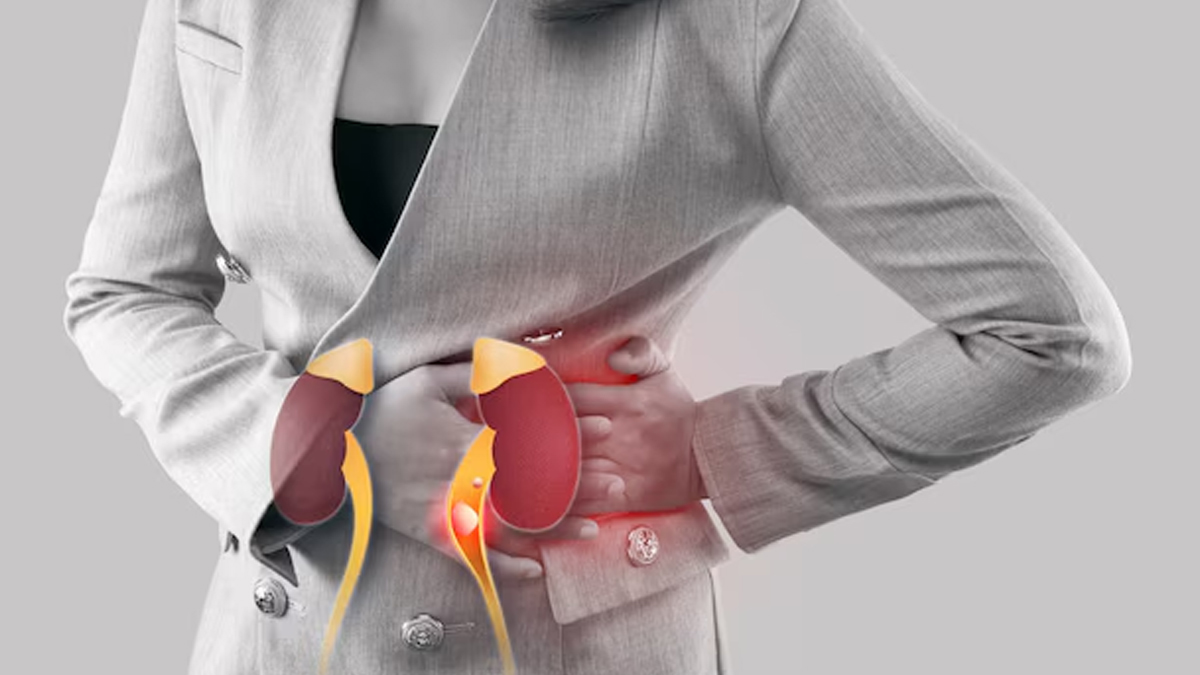
“Kidney stone pain usually first appears on the side of the lower back, just below the ribs, often on one side of the body where the stone is located. The pain can start suddenly and may feel sharp, intense, or cramping,” shares Dr Kishan.
 kidney stone pain 1
He adds, “As the stone moves from the kidney into the ureter, the pain may spread or move toward the lower abdomen and groin area. Some people may also feel discomfort in the belly, back, or near the bladder. The pain often comes in waves and may change in intensity. It can be severe enough to make a person restless, and it is sometimes accompanied by nausea, vomiting, or pain during urination.”
ALSO READ - Can Kidney Stones Cause Blood in Urine? Causes, Signs & When to See a Doctor
How To Identify Kidney Stone Pain?
Pain in different parts of the body often feels normal or similar to a ‘body ache’. So, how to identify if it’s kidney stone pain? According to Mayo Clinic, this is what the pain looks like:
- Serious, sharp pain in the side and back, below the ribs.
- Pain that spreads to the lower stomach area and groin.
- Pain that comes in waves and varies in intensity.
- Pain or burning sensation while urinating.
On this note, Dr Kishan listed some signs to look out for:
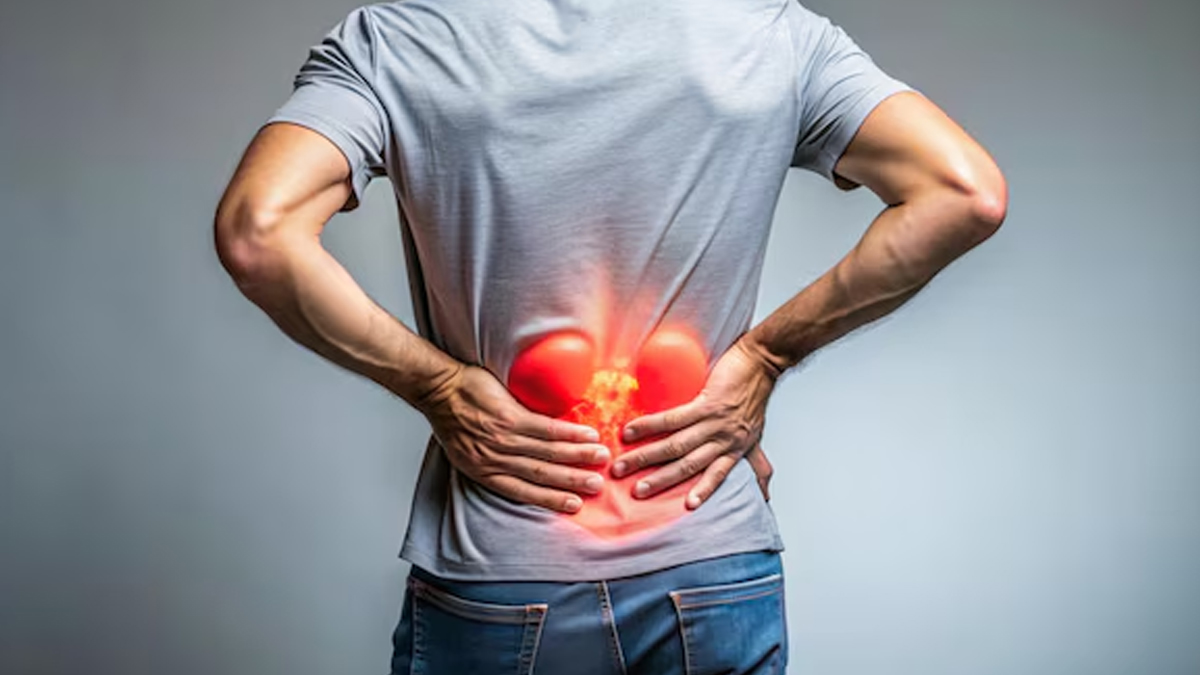
- Kidney stone pain often starts suddenly and is felt as a sharp or severe pain in the side or lower back, just below the ribs.
- The pain may come in waves and can move to the lower abdomen or groin as the stone travels through the urinary tract.
- Many people also feel burning or pain while passing urine and may notice blood in the urine, which can look pink, red, or brown.
- Other common signs include frequent urge to urinate, passing small amounts of urine, nausea, vomiting, and sweating. Some people may also develop fever and chills if an infection is present along with the kidney stone.
 kidney stone pain 2
Does Kidney Stone Pain Spread?
Now let us tell you that kidney stone pain is not fixed in any particular location, rather it spreads. Shedding more light on this, Dr Kharbanda shares: “Yes, kidney stone pain can spread or radiate as the stone moves through the urinary tract. Initially, the pain may start in the side of the back or flank area. As the stone travels down through the ureter toward the bladder, the pain can shift to the lower abdomen and groin.”
“In some individuals, the pain may radiate to the pelvic region, and in men it can sometimes extend toward the testicles. The movement of the pain from the back toward the lower abdomen and groin is a common pattern and often indicates that the stone is progressing through the urinary tract,” adds the expert.
Dr Singh adds to this and explains, "Yes, the pain of kidney stones can change locations from one place to another, depending on the movement of the stone through the urinary system. The pain begins in the back or side, below the ribs, and may gradually move down toward the abdomen or groin. In men, the pain can sometimes extend to the testicles; whereas in women, the pain can extend to the pelvic area. The pain of kidney stones shifts because the stone irritates the lining of the urinary system as it travels down."
Similar Conditions That Feel Like Kidney Stone Pain
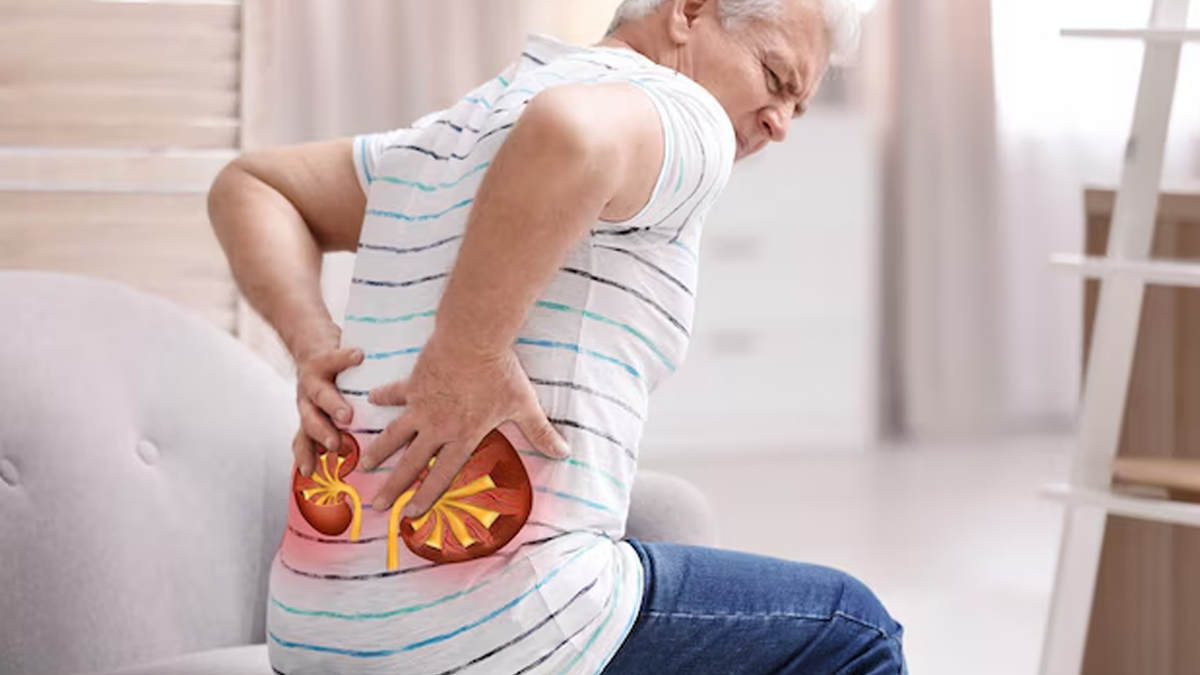
Kidney stone pain can sometimes be confused with other medical conditions because the symptoms may feel similar. Explaining this, Dr Shashank says, “Muscle strain in the back can cause pain in the lower back or side, which may feel like kidney stone pain but usually gets worse with movement. Urinary tract infections can also cause lower abdominal pain, burning during urination, and frequent urination.”
The expert continues, “Conditions such as appendicitis may cause pain on the lower right side of the abdomen, which can be mistaken for a stone. Gallbladder problems can cause pain in the upper abdomen or back. In women, ovarian cysts or pelvic infections may also cause pain that feels similar to kidney stone pain.”
 kidney stone pain 3
Kidney Stone Vs Muscle Ache: How To Differentiate?
Do you know that kidney stone pain has been compared to that of the pain women experience during childbirth? A 2017 PubMed Central study, published at the Journal of Pain Research, attempted to explore this. It stated, “The results of our study suggest that renal colic was the worst pain for the majority of female patients who have experienced both forms of pain. From the male cohort of patients, 88.9% stated that it (kidney stone pain) was the worst pain they had ever experienced and for the female cohort this was 78.2%”.
But how to differentiate kidney stone pain from other aches like muscle strain. Shedding light on this, Dr Kishan explains, “Kidney stone pain is usually sudden, sharp, and very intense, and it often starts in the side or lower back below the ribs. The pain may come in waves and move toward the lower abdomen or groin as the stone travels through the urinary tract. In contrast, a muscular sprain in the back usually feels dull, sore, and worsens when you move, bend, or press the area. Stomach pain is often felt more in the front of the abdomen and may be linked with eating, gas, or digestive problems. Kidney stone pain may also come with nausea, vomiting, blood in urine, or painful urination.”
Explaing this further, Dr Singh says, "The pain of a kidney stone is said to be much more intense and sharp compared to the pain of a normal muscle ache or stomach pain. Another significant indicator of the presence of a kidney stone is the experience of urinary symptoms, including burning sensations during urination, the urge to urinate too often, and blood in the urine. The pain of a kidney stone usually cannot be relieved by rest or changes in body position."
Tips To Relieve Kidney Stone Pain At Home
As per a 2021 study, published at the International Journal of Clinical Practice (IJCP), a heat patch was found to be effective for reducing kidney stone pain in patients, even without any medication. The National Health Service (NHS) mentions that some medical experts may recommend drinking up to 5.1 pints (3 litres) of water per day. Patients are recommended to drink enough water to make their urine pale in colour.
“Some mild kidney stone pain can be managed at home with simple steps, especially if the stone is small and likely to pass naturally,” shares Dr Shashank. On this note, Dr Kharbanda lists down some tips to relieve kidney stone pain at home:
- Staying well hydrated by drinking plenty of water is important as it can help flush the stone through the urinary tract.
- Applying a heating pad (15-20 mins) to the lower back or side may help relax the muscles and reduce pain.
- Drink 4-6 tablespoons of diluted lemon juice daily. (As per Harvard Health, citrate present in lemon binds to calcium and prevents stone formation. However, every body is different, and may have different sensitivities and pre-existing conditions. Thus, it is always advisable to consult your doctor before adding lemon juice to your kidney stone diet).
- Following a low-salt, low-oxalate diet (such as limiting spinach and nuts) helps.
- Coconut water works wonders as a natural electrolyte boost. (However, individuals with chronic kidney disease (CKD), poor kidney function, or high potassium levels (hyperkalemia) should avoid or strictly limit coconut water).
- Taking doctor-recommended pain relievers may also help manage mild to moderate discomfort.
- Resting and avoiding strenuous activities can provide additional relief.
“However, if the pain becomes severe or is accompanied by fever, vomiting, or difficulty passing urine, medical care should be sought immediately,” suggests Dr Shashank MS.
Medical Treatments To Relieve Severe Kidney Stone Pain
If the pain feels severe, you must consult an expert. As per the Cleveland Clinic, even small stones that pass on their own are very painful. Thus, healthcare providers can prescribe medications or recommend over-the-counter (OTC) medications to deal with this pain. Many people take ibuprofen without consulting experts. The organisations strictly warn against this. “Ask your provider before taking ibuprofen. It can increase the risk of kidney failure if you take it during an acute attack of kidney stones — especially if you have underlying health conditions,” it notes.
Now, let us hear from our expert what medical treatment one should seek if the pain becomes severe. “If kidney stone pain is severe, medical treatment from a doctor or hospital is usually required. Doctors may give strong pain relief through injections or intravenous fluids to quickly control the pain and keep the body hydrated. Medicines may also be given to relax the urinary tract, which can help the stone pass more easily,” shares Dr Shashank.
 kidney stone pain 4
“If the stone is too large to pass on its own, doctors may use shock wave treatment to break the stone into smaller pieces so it can come out through urine. In some cases, a small scope procedure or surgery may be needed to remove the stone safely from the urinary tract,” he adds.
A new lab study has shown hope in this regard. As per researchers led by Dr Veronika Magdanz at the University of Waterloo in Canada, a tiny magnetically steerable ‘robot’ has been developed, which can provide stone-dissolving treatment directly to the problem area. The researchers took the help of a 3D-printed urinary tract model filled with synthetic urine in lab tests. The device increased the liquid’s pH from 6-7, common in kidney stone cases. Over the course of five days, stones in the urine lost about 30% of their weight, which was enough for them to be passed easily.
When Should One Visit A Doctor For Kidney Stone Pain?
Last but not least, when should you know that it is time to visit a doctor for kidney stone pain? “Certain pain locations and sudden changes in pain can mean you should go to the emergency room immediately. If you feel severe pain in the side or lower back that suddenly becomes unbearable, it may be a sign of a blocked urinary tract,” answers Dr Shashank.
Regarding this, Dr Singh says, "Kidney stone pain can be extremely severe, so medical consultation should always be taken as soon as possible. A doctor can confirm the diagnosis and start the appropriate treatment to prevent complications."
“Pain that quickly spreads from the back to the lower abdomen or groin and does not improve can also be serious. You should seek urgent care if the pain is constant and prevents you from sitting or lying still. Other warning signs include pain along with fever, chills, vomiting, blood in urine, or difficulty passing urine, as these symptoms may indicate infection or a dangerous blockage,” concludes Dr Shashank.
ALSO READ - Best Fruits for Kidney Stone Patients
Conclusion
Kidney stone pain generally appears first on the side of the lower back, below the ribs and on one side of the body where the stone is located. The pain spreads as the stone moves toward the lower abdomen or groin area and travels through the urinary tract. If the pain becomes severe and unbearable, consult a medical expert immediately.
FAQ
How to stop pain from a kidney stone?
To relieve mild pain, take pain relievers recommended by healthcare professionals.How long can kidney stone pain last?
If untreated, the pain from a kidney stone may last for 4 to 12 hours.How can you relieve kidney pain fast?
You can relieve kidney pain fast by staying hydrated, using a heating pad on your lower back for temporary relief or by taking over-the-counter pain relievers (recommended by doctors).What is the most painful stage of kidney stones?
The most painful stage of kidney stones is when the stone gets stuck in one of the ureters. This is because it may block the flow of urine and cause the kidney to swell and the ureter to spasm.Why is kidney pain so painful?
The severe or sudden pain of a kidney stone originates from the ureter being stretched out as the stone makes its way down that tube to the bladder.
All possible measures have been taken to ensure accuracy, reliability, timeliness and authenticity of the information; however Onlymyhealth.com does not take any liability for the same. Using any information provided by the website is solely at the viewers’ discretion. In case of any medical exigencies/ persistent health issues, we advise you to seek a qualified medical practitioner before putting to use any advice/tips given by our team or any third party in form of answers/comments on the above mentioned website.
How we keep this article up to date:
We work with experts and keep a close eye on the latest in health and wellness. Whenever there is a new research or helpful information, we update our articles with accurate and useful advice.
-
Current Version
Mar 18, 2026 17:14 IST
Modified By : Shruti Das Mar 18, 2026 17:14 IST
Modified By : Shruti DasMar 18, 2026 17:14 IST
Modified By : Shruti DasMar 18, 2026 17:14 IST
Published By : Shruti Das
Reviewed By : Dr Shashank MS