A heart attack can start quietly. It may feel like pressure in the chest, or like gas. Many people wait, hoping it will pass. But every minute matters, because heart muscle starts to die. So, what should you actually do? Call for emergency help first. Then sit down and rest, and chew an aspirin if it is safe for you. Do not drive yourself. Here is the minute-by-minute plan from a doctor, plus what Indian studies show about why delays are so common.
What Should You Actually Do in the First 5 Minutes?
Dr Chirag D, Consultant, Interventional Cardiology at Aster Whitefield Hospital, Bangalore says, “Call for emergency help first. Do not wait to see if it passes, and do not drive yourself. Sit down, rest, and chew an aspirin if it is safe for you.”
Minute 1: Recognise the Heart Attack and Call 112 or 108
- Dr Chirag D advises, “Stop what you are doing. Do not walk it off, climb stairs or finish the task.”
- Call 112 or 108, or ask someone to call. Say, “I think this is a heart attack.” Use speaker.
- Do not drive yourself. Paramedics can start treatment on the way and act if the heart stops.
Minutes 2 and 3: Sit Down, Stay Calm and Prepare
“Stay calm and still. Panic and effort make the heart work harder,” says Dr Chirag D.
- Sit half upright, with your back supported and knees bent.
- Loosen tight clothing.
- Unlock the front door if you are alone.
- Call someone close to help.
- Note the time symptoms began. Doctors use it to decide treatment.
Minutes 4 and 5: Should You Chew Aspirin?
Dr Chirag D says, “Chew one aspirin, unless you are allergic to it, have a known bleeding problem or a doctor has told you not to take it.”
The NHS and British Heart Foundation advise chewing a 300 mg tablet. The 2025 ACC/AHA guideline for acute coronary syndromes, recommends 162 to 325 mg chewed. It says aspirin does not replace emergency care.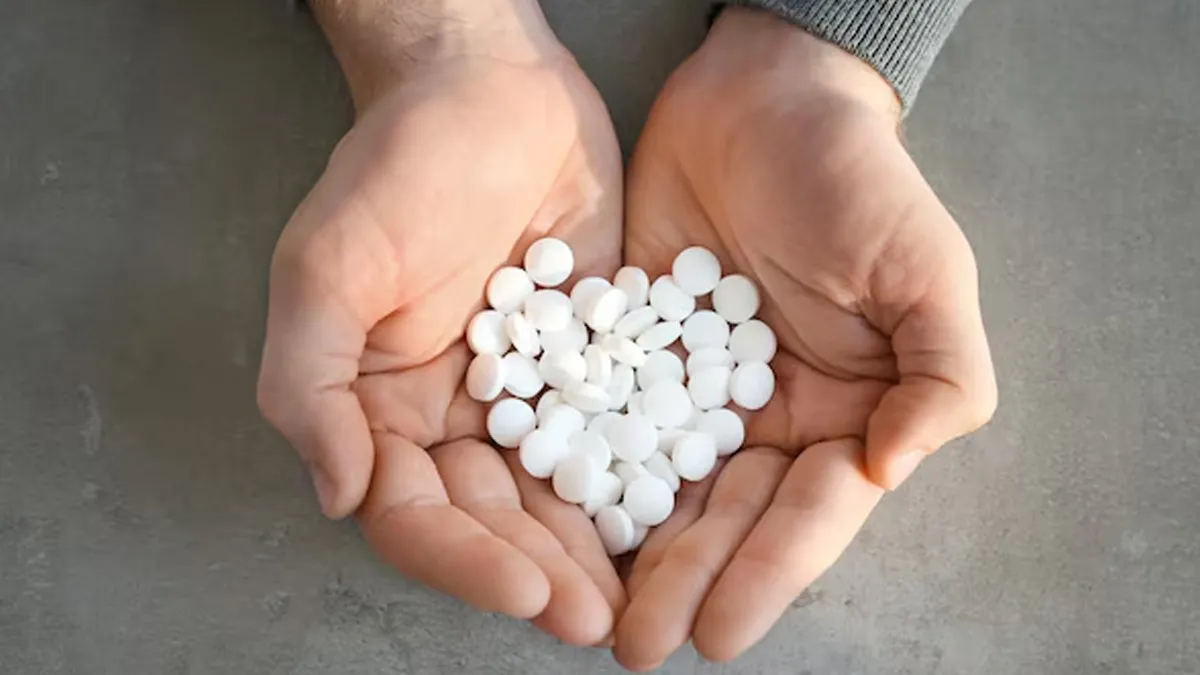 aspirin for heart attack
- Indian tablets come in different strengths. If unsure, follow the emergency operator.
- Never give aspirin to anyone under 16.
- “Aspirin comes second.” Do not delay the call to find it.
- Use a prescribed tablet or spray under the tongue as instructed. Never use someone else’s.
- Skip antacids, painkillers and home remedies.
ALSO READ- First 5 Minutes After an Electric Shock: Doctor Explains What Should You Do First?
What Does a Heart Attack Feel Like?
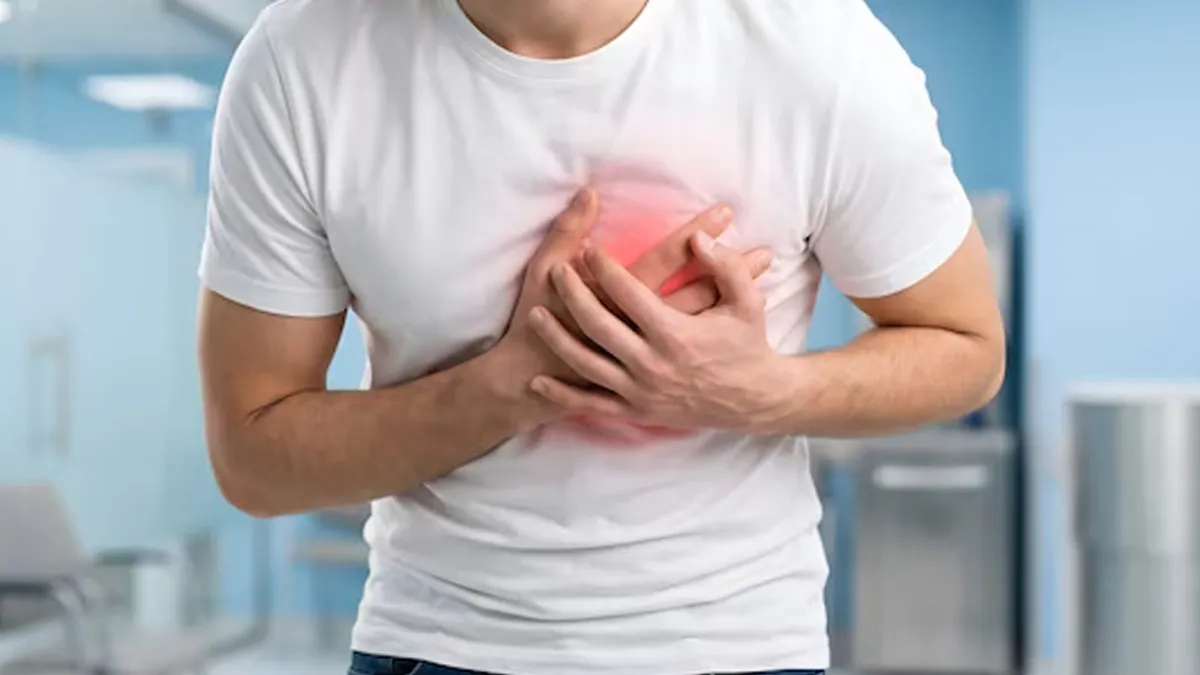
“Pressure, tightness, squeezing or heaviness in the centre of the chest,” says Dr Chirag D. Other signs include:
- Pain spreading to the arm (often the left), shoulder, neck, jaw or back
- Breathlessness, cold sweat, nausea or vomiting
- Dizziness, extreme tiredness or a sense of doom
 heart attack
Can a Heart Attack Feel Different From the “Classic” Picture?
“Yes, and this is the part people miss,” says Dr Chirag D.
- Women, older adults and people with diabetes may have no chest pain at all.
- They may feel breathless, tired, sick or have jaw, back or upper stomach discomfort.
- Many mistake this for gas or acidity and wait too long.
His rule: “If you are unsure, treat it as a heart attack until a doctor says otherwise.”
The problem is not only medical. It is timing. A 2021 study in the Journal of Clinical and Diagnostic Research followed 147 STEMI patients at a Delhi hospital. STEMI is a severe type of heart attack. The median time from pain to hospital was 4.7 hours. Only 43.5 per cent arrived within four hours. Just 3.4 per cent came by ambulance. The authors noted that delays “still exist in large metro cities in India.”
A 2024 review in the Journal of Indian College of Cardiology found ambulance use is advisable for early diagnosis and swift transport. But it said ambulance services “are frequently unavailable or underutilized.”
What to Do If the Person Collapses: CPR
 CPR
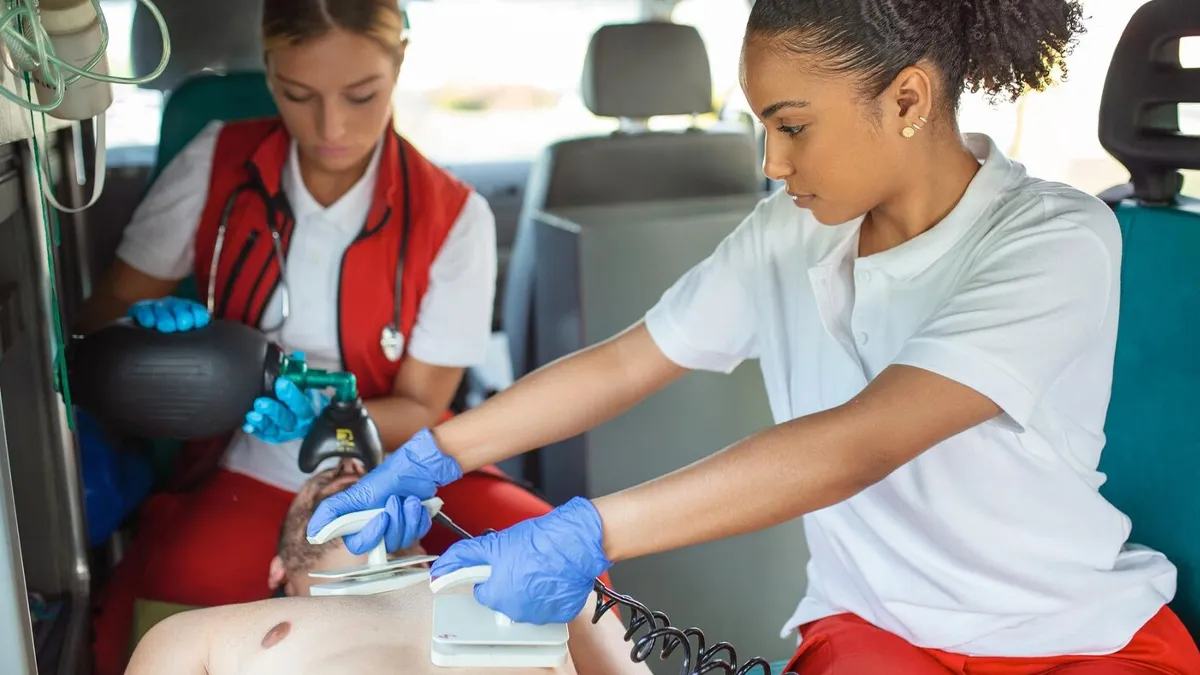
“If they are not responsive and not breathing normally, this is likely a cardiac arrest,” says Dr Chirag D. “Gasping does not count.”
- Call for help and start CPR at once.
- Push hard and fast in the centre of the chest, about 100 to 120 times a minute.
- Send someone to get an AED, if nearby, and follow its voice prompts.
- Keep going until help arrives.
What You Should Never Do During a Heart Attack
“Never delay because it is night, a holiday or you feel embarrassed about ‘making a fuss,’” says Dr Chirag D.
- Never wait for the pain to go away.
- Never drive yourself.
- Never lie down and try to sleep it off.
- Never eat or drink, apart from a sip of water with aspirin.
- Never rely on gas remedies, hot drinks, massage or “cough CPR”.
- Never take someone else’s medicines.
Why Does Time Matter So Much in a Heart Attack?
“Every minute of delay damages more heart muscle,” says Dr Chirag D. A clot blocks an artery, and the muscle beyond it starts to die within minutes. At hospital, an ECG and blood tests are done quickly. Treatment may be clot-dissolving drugs or angioplasty with a stent. Quick treatment lowers the risk of heart failure and death.
Who Is at Higher Risk, and How Can You Prevent a Heart Attack?
Dr Chirag D lists people with high blood pressure, high cholesterol or diabetes, smokers and tobacco chewers, those with a family history, and the inactive or overweight. To protect yourself:
- Stop all tobacco.
- Control blood pressure, sugar and cholesterol.
- Eat more vegetables, fruit, whole grains and pulses.
- Do at least 150 minutes of moderate exercise a week.
- Sleep well, manage stress and get regular checks after 40.
- Learn CPR.
![heart attack emergency]() heart attack emergency
 heart attack emergency
When to See a Doctor
- Chest discomfort lasting more than a few minutes, or with sweating, nausea or breathlessness. Call for emergency help.
- Chest pain on exertion that eases with rest. Get a prompt check-up.
- Repeated unexplained tiredness or breathlessness
ALSO READ- First 5 Minutes After A Stroke: Doctors Explain What Should You Do First?
Conclusion
Dr Chirag D says, “Call 112 or 108 straight away, sit down and stay calm. Chew an aspirin if it is safe for you, and start CPR if the person collapses.” Do not wait, do not drive yourself, and do not assume it is gas.
FAQ
1. Can a Panic Attack Feel Like a Heart Attack?
Yes. Both can cause chest tightness, breathlessness, sweating and fear. You cannot tell the difference at home. Treat it as a heart attack until a doctor checks.2. Can Young People Have a Heart Attack?
Yes. Smoking, tobacco, high blood pressure, diabetes and family history raise the risk at any age. Do not dismiss chest pain just because you are young.
All possible measures have been taken to ensure accuracy, reliability, timeliness and authenticity of the information; however Onlymyhealth.com does not take any liability for the same. Using any information provided by the website is solely at the viewers’ discretion. In case of any medical exigencies/ persistent health issues, we advise you to seek a qualified medical practitioner before putting to use any advice/tips given by our team or any third party in form of answers/comments on the above mentioned website.
How we keep this article up to date:
We work with experts and keep a close eye on the latest in health and wellness. Whenever there is a new research or helpful information, we update our articles with accurate and useful advice.
-
Current Version
Nov 02, 2026 18:25 IST
Published By : Vivek Kumar
Reviewed By : Dr Chirag D