
A stroke is a medical emergency that occurs when blood flow to part of the brain is blocked or a blood vessel in the brain bursts. Brain cells begin to suffer damage when they do not receive enough oxygen, making early medical attention critical.
Recognising the warning signs and calling for help can make a difference to a person's recovery. The first thing to do if you suspect a stroke is to call emergency services immediately, note when the symptoms began and avoid giving the person food, water or medicines. As part of our First 5 Minutes of a Medical Emergency series, we reached out to Dr Bharath Kumar Surisetti and Dr Nickhil Vangapally, who shared what you need to know this World Stroke Day.
First 5 Minutes After A Stroke: What Should You Do?
The first few minutes are not about treating a stroke at home. They are about recognising the symptoms, getting emergency help and keeping the person safe until medical professionals arrive.
Dr Bharath Kumar Surisetti, Consultant Neurologist at Yashoda Hospitals, Hyderabad, explains, “A stroke is a medical emergency in which the blood supply to part of the brain is interrupted or bleeding occurs in the brain. Brain cells can begin to die within minutes, so recognising the symptoms and seeking emergency care immediately is crucial. The first few minutes should be focused on getting medical help, not trying to treat the person at home.”
Here is what you should do.
- Call an ambulance immediately: Do not wait to see if the symptoms improve. In India, you can call 112 for emergency assistance or use your local ambulance service.
- Note the time: Record when the symptoms started. If nobody saw them begin, note the last time the person was known to be well. This information can help doctors decide which treatments may be suitable.
- Keep the person safe: Help them sit or lie down in a comfortable position. Avoid unnecessary movement and stay with them.
- Do not give anything by mouth: Avoid food, water, tablets or home remedies. A stroke can affect swallowing and cause choking.
- Monitor their condition: Watch their breathing and level of consciousness while waiting for help. Follow the emergency dispatcher's instructions.

If the person becomes unconscious but is breathing normally, follow the emergency operator's advice about positioning them safely. If they are not breathing normally, tell the operator immediately and follow their instructions for resuscitation.
ALSO READ- Heat Stroke Vs Heart attack – Expert Explains How to Differentiate
How To Recognise A Stroke Using The BE FAST Test
Dr Nickhil Vangapally, Senior Consultant and Head of Emergency Medicine at Citizens Specialty Hospital, Hyderabad, says recognising the signs and acting quickly can help prevent delays in treatment. He recommends using the BE FAST test to identify a possible stroke.
- B – Balance: Look for sudden loss of balance, coordination or difficulty walking.
- E – Eyes: Watch for sudden blurred vision, double vision or loss of vision in one or both eyes.
- F – Face: Ask the person to smile. Check whether one side of the face droops.
- A – Arms: Ask them to raise both arms. Check whether one arm is weak or drifts downwards.
- S – Speech: Ask them to repeat a simple sentence. Listen for slurred, unclear or unusual speech.
- T – Time: If you notice any of these signs, call emergency services immediately.
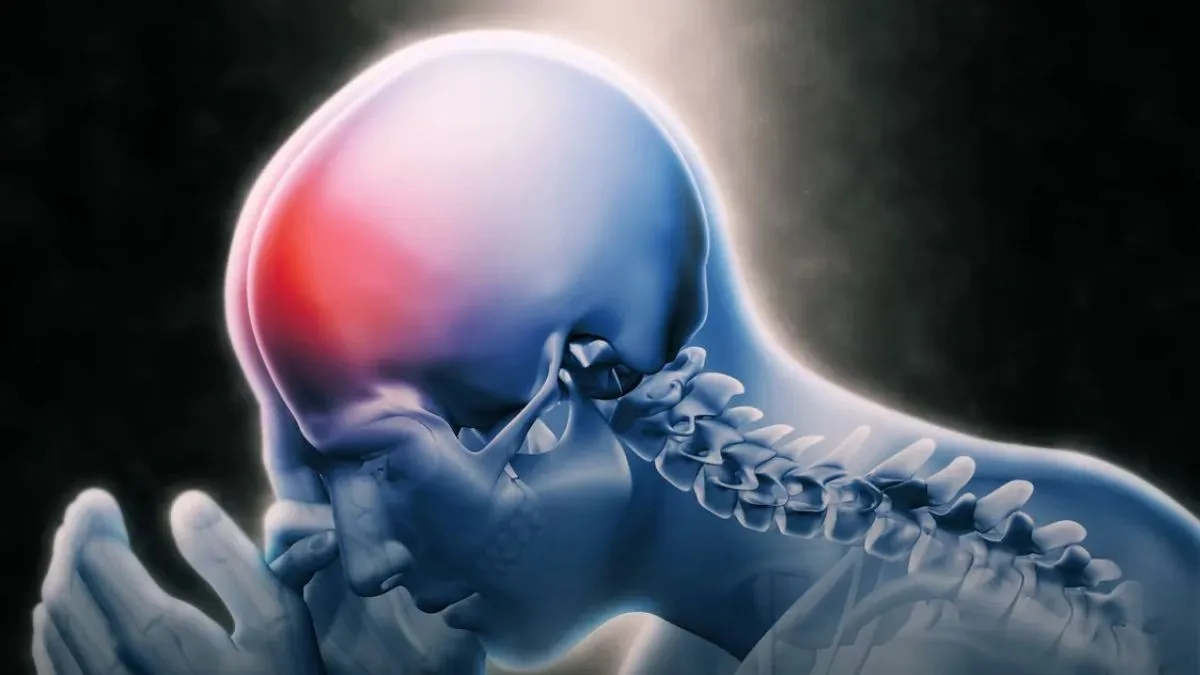 stroke
“Sudden confusion, dizziness or a severe headache can also be warning signs, particularly when they occur with other neurological symptoms. Do not wait for every sign to appear. A person may have a stroke even if they can still speak or move both arms,” added Dr Vangapally.
The American Heart Association's 2024 first-aid guidelines recommend using a stroke recognition tool such as FAST to help identify a possible stroke in adults. These checks can raise suspicion, but they cannot confirm or rule out a stroke. That requires urgent medical assessment.
Why Does Every Minute Matter During A Stroke?
The urgency comes from what happens inside the brain. In an ischaemic stroke, a clot blocks blood flow. In a haemorrhagic stroke, a blood vessel ruptures and causes bleeding. Both can damage brain tissue, but their treatments differ. Doctors need to determine the type of stroke before starting specific treatment.
A 2023 systematic review published in the International Journal of Stroke, conducted on behalf of the World Stroke Organization, reviewed stroke guidelines from around the world. It found strong agreement on the importance of early assessment and appropriate acute treatment, including treatments that restore blood flow in eligible patients with ischaemic stroke.
Dr Vangapally stresses that time is critical because some treatments work only within specific time windows. However, a person should still seek emergency care even if several hours have passed. Doctors can assess whether treatment remains possible based on the timing, scans and clinical findings.
What Should You Avoid Doing If Someone Has A Stroke?
Trying to help is natural, but some well-meaning actions can be dangerous.
- Do not give aspirin: Some strokes are caused by bleeding in the brain. Aspirin can worsen bleeding, and the type of stroke must be identified before treatment is chosen.
- Do not offer water or food: The person may have difficulty swallowing, even if they appear alert.
- Do not wait for symptoms to pass: Temporary improvement does not mean the danger has gone.
- Do not make the person walk: Weakness and balance problems can lead to falls.
- Do not delay the ambulance to collect belongings or arrange a routine appointment: Get emergency help first.
 stroke emergency
If possible, keep a list of the person's medicines and known medical conditions ready for the emergency team, but do not delay the call to gather this information.
What If Stroke Symptoms Disappear Within A Few Minutes?
Do not ignore symptoms that suddenly appear and then disappear. They may indicate a transient ischaemic attack (TIA), sometimes called a mini-stroke. A TIA involves temporary symptoms caused by a brief interruption in blood supply to the brain. It can be a warning of a future stroke and needs urgent medical assessment.
Dr Surisetti advises that any sudden stroke-like symptom should be evaluated immediately, even if the person seems to recover. Do not wait for symptoms to return or assume that the person is safe because they feel normal again.
World Stroke Day: Remember To Act FAST
World Stroke Day is observed on 29 October. The World Stroke Organization's 2026 campaign highlights the message “Every Minute Counts” and encourages people to recognise stroke symptoms and act quickly. Know about the signs, share the BE FAST test with family members and know how to contact emergency services.
ALSO READ- What Is a Silent Mini Stroke? Symptoms, Causes, Risks, Diagnosis, And Treatment
Conclusion
The first five minutes are not enough to treat a stroke, but they can be crucial in starting the right care. Recognise the warning signs, call an ambulance, note the time and avoid unproven home treatments. When stroke is suspected, acting quickly is safer than waiting.
FAQ
Can a stroke happen while a person is sleeping?
Yes. A person can have a stroke while asleep and wake up with symptoms such as weakness, facial drooping or difficulty speaking. Note when they were last known to be well and seek emergency care immediately. Do not wait to see whether the symptoms improve.Can young adults have a stroke?
Yes. Although stroke risk generally rises with age, younger adults can also have strokes. Sudden neurological symptoms should never be dismissed because someone is young or appears otherwise healthy. Call emergency services if a stroke is suspected.
All possible measures have been taken to ensure accuracy, reliability, timeliness and authenticity of the information; however Onlymyhealth.com does not take any liability for the same. Using any information provided by the website is solely at the viewers’ discretion. In case of any medical exigencies/ persistent health issues, we advise you to seek a qualified medical practitioner before putting to use any advice/tips given by our team or any third party in form of answers/comments on the above mentioned website.
How we keep this article up to date:
We work with experts and keep a close eye on the latest in health and wellness. Whenever there is a new research or helpful information, we update our articles with accurate and useful advice.
-
Current Version
Oct 28, 2026 11:01 IST
Published By : Vivek Kumar
Reviewed By : Dr Bharath Kumar Surisetti