
Whenever we think of Obsessive-Compulsive Disorder (OCD), we imagine a person washing hands frequently. This is because OCD is often associated with obsession about cleanliness and hygiene. However, what many people don't understand is that this is not what OCD is all about. This is just a type or subtype of OCD, also known as contamination OCD. Today, we will explain all about it to you.
Let us take a look at what Dr Abhinit Kumar, Senior Consultant, Psychiatry, ShardaCare-Healthcity, Greater Noida, has to say about it.
What Causes Contamination OCD?
Dr Kumar says that maintaining good hygiene is essential for health, but when the fear of contamination becomes excessive, persistent, and begins to disrupt daily life, it may indicate Contamination Obsessive-Compulsive Disorder (OCD), one of the most common subtypes of OCD.
The expert further explains, “OCD is a chronic neuropsychiatric disorder characterised by obsessions (intrusive, unwanted thoughts or fears) and compulsions (repetitive behaviors performed to reduce anxiety). In Contamination OCD, individuals experience an overwhelming fear of germs, dirt, bodily fluids, chemicals, or other contaminants.”
Dr Kumar adds, “Most recognise that their fears are excessive, yet they find it extremely difficult to resist compulsive rituals such as repeated handwashing, excessive cleaning, avoiding physical contact, or constantly seeking reassurance.”
So what causes contamination OCD? “The condition arises from a combination of genetic vulnerability, altered brain circuits involved in fear processing, serotonin imbalance, and environmental stressors. These compulsive behaviors provide only temporary relief, reinforcing a cycle of anxiety,” explains the expert.
 contamination ocd 1
How To Deal With Contamination OCD
Dr Kumar says that the good news is that contamination OCD is highly treatable. “Cognitive Behaviour Therapy (CBT) with Exposure and Response Prevention (ERP) remains the first-line psychological treatment, while Selective Serotonin Reuptake Inhibitors (SSRIs) are effective for many patients. Family support, avoiding reassurance rituals, and early psychiatric intervention significantly improve outcomes,” adds the expert.
“Remember, the problem in Contamination OCD is not the presence of germs: it is the relentless fear of contamination. Seeking timely professional help can restore confidence, functioning, and quality of life,” concludes the expert.
A 2025 study, published in the BMC Psychiatry journal, examined how different subtypes of OCD respond to standard psychiatric treatments. Researchers specifically focused on a poorly understood condition known as the self-contamination subtype of OCD. Here, individuals feel like the source of dirt or illness comes from within their own bodies.
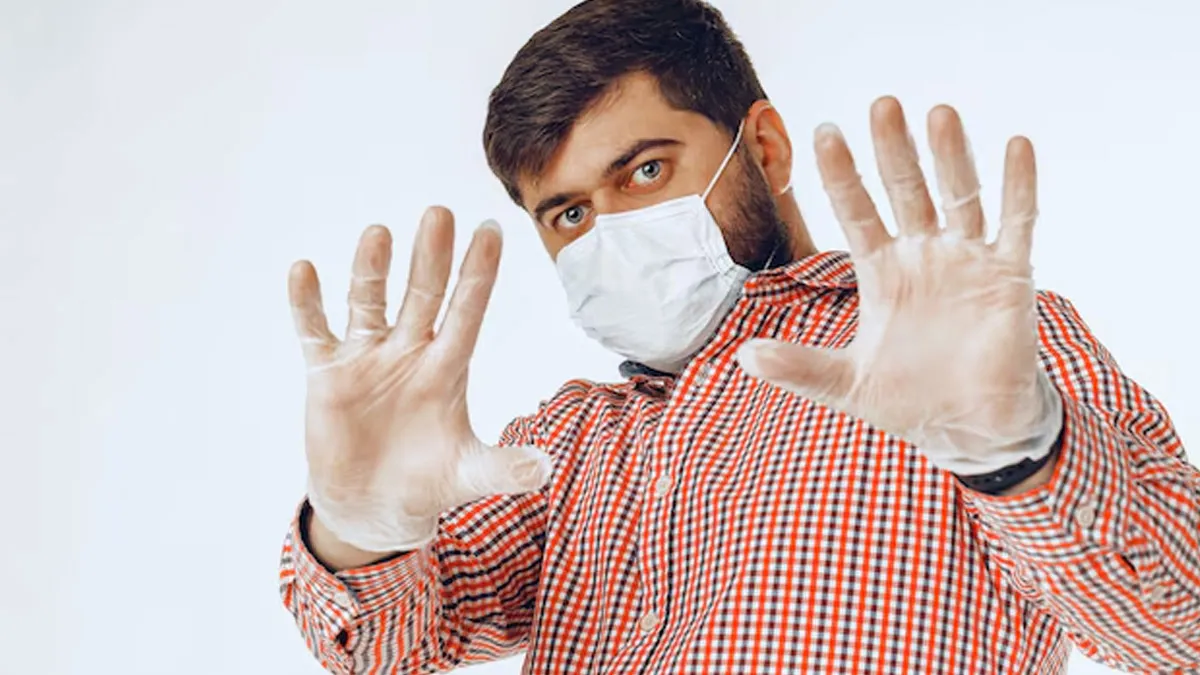 contamination ocd 2
The findings showed that while standard therapies are usually highly effective for typical OCD, there are differences in treatment success among the patient groups. The researchers found out that patients struggling with the self-contamination subtype had a significantly poorer response to the combined medication and therapy compared to the other groups.
Moreover, these individuals reported experiencing a much lower overall quality of life and worse day-to-day functioning. The self-contamination group also suffered from higher rates of severe overlapping conditions, such as major depression, social anxiety, and body dysmorphic disorder. Ultimately, the study concluded that correctly identifying this specific self-contamination subtype is crucial for doctors so they can develop more specialised, targeted treatment plans in the future.
What Study Says About Contamination OCD
A 2020 study, published in theCNS Spectrums journal, states that contamination OCD is one of the most common subtypes of OCD. It affects nearly half of all diagnosed patients. Individuals with this condition experience intense, irrational fears about dirt, germs, or illnesses, often panicking over harmless objects such as doorknobs.
The research states that to cope with these distressing thoughts, patients regularly engage in exhausting washing and cleansing rituals that can take up hours of their day. In extreme cases, these relentless cleaning routines can lead to physical harm such as bleeding skin. They even prevent people from leaving their homes altogether.
 contamination ocd 3
The findings specifically focuses on the real-world limitations of standard, in-person treatments. The researchers note that getting proper psychological help is exceptionally challenging for patients in rural areas. To address these barriers, the study explores how innovative smartphone applications can provide a revolutionary way to deliver psychological therapies remotely. Ultimately, the researches conclude that digital smartphone treatments hold immense promise for safely managing contamination OCD and expanding global mental health care access.
ALSO READ- What is Pure OCD? Expert Explains Hidden Symptoms Most People Miss
Conclusion
Maintaining good hygiene is important. But contamination OCD is when a person’s fear of germs turns out to be exhausting and extreme. This intense anxiety leads to a relentless cycle of compulsive cleaning and avoidance that can severely disrupt their daily lives. Fortunately, this condition is highly treatable through proven methods such as CBT, targeted medications, and emerging digital health tools. By seeking timely professional help and building a strong support system, anyone struggling with this disorder can safely overcome contamination OCD and regain control of their life.
FAQ
What does contamination OCD feel like?
Contamination OCD feels like living in a minefield where the danger is invisible, inescapable, and constantly shifting.Can people with OCD live a long life?
Yes, people with obsessive-compulsive disorder (OCD) can live a long life.
All possible measures have been taken to ensure accuracy, reliability, timeliness and authenticity of the information; however Onlymyhealth.com does not take any liability for the same. Using any information provided by the website is solely at the viewers’ discretion. In case of any medical exigencies/ persistent health issues, we advise you to seek a qualified medical practitioner before putting to use any advice/tips given by our team or any third party in form of answers/comments on the above mentioned website.
How we keep this article up to date:
We work with experts and keep a close eye on the latest in health and wellness. Whenever there is a new research or helpful information, we update our articles with accurate and useful advice.
-
Current Version
Aug 21, 2026 18:47 IST
Published By : Shruti Das
Reviewed By : Dr. Abhinit Kumar