-1790668148167_m.webp)
It can be disturbing to have pain in one eye, particularly if the other eye does not seem to show any signs of pain. For some, it may be as simple as dry eyes, extended screen time, dust or a slight irritation. Some problems that involve the cornea, deeper eye tissue, eye pressure or the optic nerve can also cause sudden pain in one eye.
So, why is only one eye painful? The symptoms accompanying the pain frequently give as much information as the pain does. Dr Utpal Halder and Dr Shreya Gupta share the most prevalent causes of one eye pain and the warning signs which can't be delayed and should be treated as soon as possible.
Understanding Unilateral Eye Pain: Why Only One Eye Hurts
Dr Shreya Gupta, Consultant - Ophthalmology, Sri Balaji Action Medical Institute, Delhi, explains that the causes of unilateral eye pain can range from surface irritation to problems involving deeper parts of the eye. “Possible causes of only one eye include dry eye or surface irritation, corneal abrasion or a foreign body, conjunctivitis, keratitis, uveitis, acute angle-closure glaucoma and optic neuritis.”
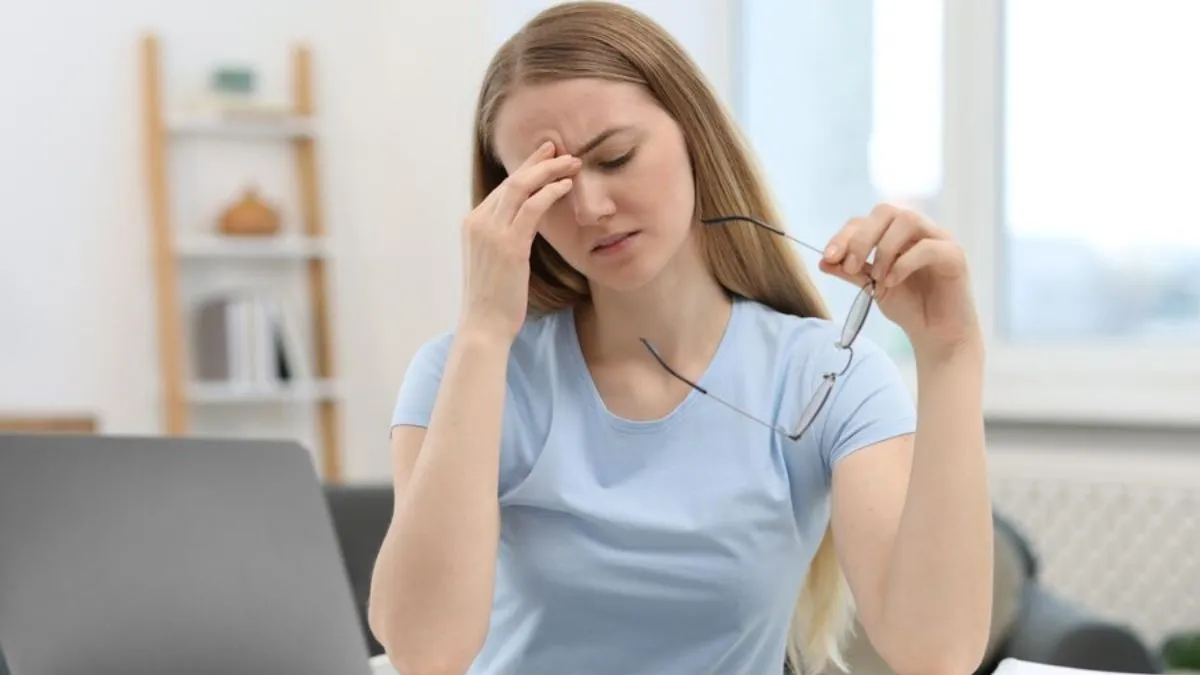
Dr Utpal Halder, Senior Consultant, Sharp Sight Eye Hospitals, New Delhi, says one-sided eye pain should not always be blamed on screen exposure, tiredness or dryness. “Eye pain is often easy to ignore, especially when it affects only one eye. You may assume it is because of screen exposure, lack of sleep, dryness, or simply a headache. While these can sometimes be responsible, pain that is limited to one eye can also signal an underlying eye condition that needs timely medical attention.”
5 Warning Signs Of Single Eye Pain (Unilateral Eye Pain)
Below are a list of 5 warning signs by the ophthalmologist which may require immediate attention.
1. Sudden Blurred Or Reduced Vision
Any sudden change in vision along with eye pain needs prompt assessment. Dr Halder says, “Whenever there are sudden alterations in vision in the affected eye, it serves as an alert.”
The cause could involve the cornea, retina, optic nerve or eye pressure.
2. Severe Pain With Redness And Light Sensitivity
- A mildly red eye can happen because of irritation. However, significant pain with redness and sensitivity to light should not be ignored.
- This combination can occur with corneal infection or inflammation inside the eye.
- Contact lens users need particular caution because corneal infections can progress quickly.
ALSO READ- When Did Humans Start Wearing Eye Glasses? 5 Surprising Facts About Their History
3. Severe Eye Pain With Headache, Nausea Or Vomiting

Severe pain in one eye combined with a headache, nausea or vomiting can be a warning sign of acute angle-closure glaucoma.
It may also cause:
- A red eye
- Blurred vision
- Halos around lights
- Severe headache
This is an eye emergency and treatment should not be delayed.
4. Pain After An Eye Injury Or Chemical Exposure
- A scratch, foreign body or deeper eye injury can cause sudden pain in one eye.
- Chemical exposure is particularly urgent. Flush the affected eye with clean running water immediately while seeking medical care.
- Do not rub the eye or attempt to remove an object that appears embedded.
5. Pain When Moving The Eye Or New Flashes And Floaters
Pain that gets worse when moving the eye can occur with inflammation of the optic nerve.
- Optic neuritis may also cause:
- Blurred vision
- Reduced colour perception
- Changes in how colours appear
According to a 2022 Frontiers in Pharmacology study, the cornea has thousands of sensitive nerve endings, making it much more sensitive than regular skin. Sometimes, eye pain comes from nerve damage rather than simple surface irritation or dryness. This is called neuropathic eye pain.
People with this condition often feel severe burning, aching, or light sensitivity, even if their eyes look completely healthy. Because it mimics common issues, neuropathic pain is easily mistaken for dry eye syndrome, but regular lubricating drops will not relieve it
Common Causes Of Pain In Only One Eye

According to Dr Gupta, several conditions can cause pain in only one eye.
Dry Eye Or Surface Irritation
Dryness can cause burning, stinging, grittiness or a foreign-body sensation. One eye may be more affected than the other, particularly after prolonged screen use, contact lens wear or exposure to wind, dust and air conditioning.
Corneal Abrasion
A small scratch on the cornea can cause sharp pain, watering and sensitivity to light.
Even a tiny particle trapped under the eyelid can produce similar symptoms.
Conjunctivitis
Conjunctivitis can cause redness, irritation and discharge. Viral conjunctivitis may initially affect one eye before spreading to the other.
Keratitis
Keratitis refers to inflammation or infection of the cornea. It can cause significant pain, redness, watering, light sensitivity and blurred vision.
It is particularly important for people who wear contact lenses.
Uveitis
Uveitis is inflammation inside the eye. It may cause deep aching pain, redness and marked sensitivity to light. Blurred vision can also occur.
Acute Angle-Closure Glaucoma
This condition can cause severe one-sided eye pain, headache, blurred vision, halos around lights, nausea, vomiting and redness.
It requires urgent ophthalmic treatment.
Optic Neuritis
Inflammation of the optic nerve can cause pain, particularly when moving the eye. Changes in vision and colour perception may occur as well.
When To See An Ophthalmologist: Urgent Vs Non-Urgent Eye Pain
Not every case of pain in one eye is an emergency. Mild discomfort linked to dryness or temporary irritation may settle after the trigger is removed. However, when to see a doctor for eye pain becomes more important when symptoms persist, worsen or affect vision.
Seek urgent eye care if you have:
- Sudden vision loss or blurred vision
- Severe eye pain
- Significant redness with light sensitivity
- Headache with nausea or vomiting
- Pain following an eye injury
- Chemical exposure
- Pain when moving the eye with vision changes
- New flashes or a sudden increase in floaters
- A shadow or curtain across your vision
Contact lens users should also seek prompt advice if they develop pain, redness or light sensitivity.
Diagnosis And Treatment: How Ophthalmologists Identify Single Eye Pain
An ophthalmologist will usually ask about the onset, location and severity of the pain. They may also ask about contact lens use, recent injury, screen exposure, medications and other symptoms.
The eye may then be examined for:
- Redness or swelling
- Corneal scratches or infection
- Changes in eye pressure
- Inflammation
- Vision changes
- Retinal abnormalities
- Treatment depends entirely on the cause.
Dry eyes may require lubricating eye drops and changes to eye-care habits. A corneal infection needs specific treatment. Conditions such as glaucoma or uveitis may require urgent medical management.
This is why repeatedly using random eye drops is not a good approach.
What Should You Avoid If One Eye Hurts?
Dr Gupta advises against repeatedly using steroid eye drops without an ophthalmologist's advice.
Also avoid:
- Rubbing the painful eye
- Continuing to wear contact lenses
- Using someone else's eye drops
- Assuming every red eye is conjunctivitis
- Delaying care after a sudden change in vision
ALSO READ- Does Eating Carrots Actually Improve Your Eyesight? Expert Answers
Conclusion
Pain in one eye can have a simple cause, but it can also be the first sign of a condition requiring urgent treatment. Sudden pain in one eye becomes more concerning when it occurs with blurred vision, redness, light sensitivity, severe headache, nausea, injury or changes in vision. If these symptoms appear, seeing an ophthalmologist promptly is safer than waiting for the pain to settle.
FAQ
Can lack of sleep cause pain in one eye?
Poor sleep can contribute to dry or tired eyes and may make discomfort more noticeable. But persistent pain affecting only one eye should not automatically be blamed on sleep deprivation.Can sinus problems cause pain behind one eye?
Yes. Sinus inflammation can cause pressure or pain around or behind the eye. However, severe eye pain, vision changes, redness or light sensitivity should be assessed by an ophthalmologist rather than assumed to be sinus-related.
All possible measures have been taken to ensure accuracy, reliability, timeliness and authenticity of the information; however Onlymyhealth.com does not take any liability for the same. Using any information provided by the website is solely at the viewers’ discretion. In case of any medical exigencies/ persistent health issues, we advise you to seek a qualified medical practitioner before putting to use any advice/tips given by our team or any third party in form of answers/comments on the above mentioned website.
How we keep this article up to date:
We work with experts and keep a close eye on the latest in health and wellness. Whenever there is a new research or helpful information, we update our articles with accurate and useful advice.
-
Current Version
Sep 29, 2026 13:21 IST
Modified By : Vivek Kumar Sep 29, 2026 13:21 IST
Modified By : Vivek KumarSep 29, 2026 13:21 IST
Published By : Vivek Kumar
Reviewed By : Dr Shreya Gupta