
Low blood pressure (hypotension) is a condition where your blood pressure (BP) is much lower than it should be. It can happen either as a condition on its own or as a symptom of other health conditions. It usually does not have any symptoms, but if it does, then you should seek doctor’s help. This article will explain the risks, warning signs of low BP, and how to deal with it.
To get a better understanding of it, the editorial team of OnlyMyHealth reached out to Dr Tushar Tayal, Associate Director, Internal Medicine, CK Birla Hospital Gurugram, and Dr Brunda MS, Senior Consultant, Internal Medicine, Aster CMI Hospital, Bangalore.
Can Low Blood Pressure Impact Daily Life?
Low blood pressure is not generally harmful, unless there are other symptoms that may be a cause of concern or need professional help. Some individuals with very low BP can have a condition called hypotension, and this may affect people’s daily life. This happens when BP is less than 90/60 mmHg. Explaining this, Dr Tayal says, “Low blood pressure or hypotension can affect daily functioning and overall well-being, especially when it produces noticeable symptoms. While some individuals naturally have lower blood pressure without any issues, others may experience a range of problems that interfere with their quality of life.”
According to the Cleveland Clinic, hypotension has two definitions:
- Absolute hypotension: When your resting blood pressure is below 90/60 mmHg.
- Orthostatic hypotension: When your blood pressure stays low for more than three minutes after you stand up from a sitting position. It is normal for BP to fall for a short span when you change positions, but not for this long. The drop must be 20 mmHg or more for your systolic (top) pressure and 10 mmHg or more for your diastolic (bottom) pressure. This is also known as postural hypotension, as this occurs with changes in posture.
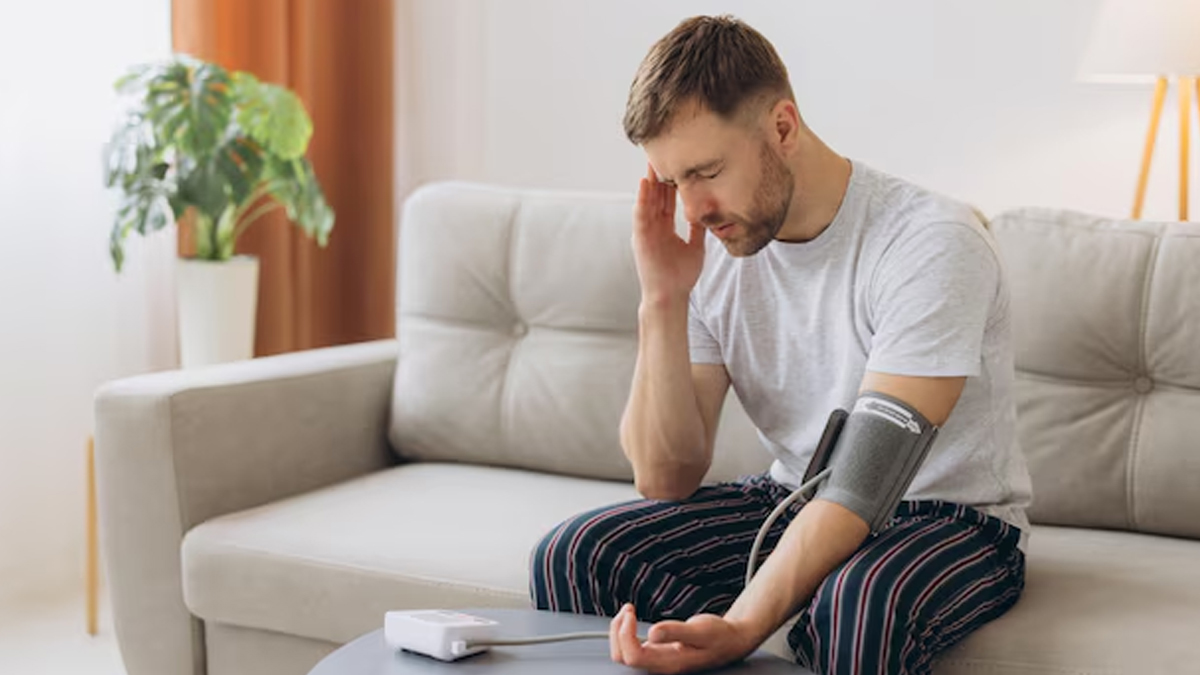 low bp risk 1
Warning Signs of Low Blood Pressure
Speaking about the warning signs of low BP, Dr Tayal says, “One of the most common symptoms of low blood pressure is dizziness or light-headedness, particularly when standing up quickly. This occurs due to a temporary drop in blood flow to the brain. In more pronounced cases, it can lead to fainting (syncope), which increases the risk of falls and injuries. Persistent fatigue is another frequent complaint, as the body may not be receiving adequate oxygen and nutrients.”
He adds, “Other symptoms include blurred vision, nausea, difficulty concentrating, and a general feeling of weakness. These can impact productivity, mood, and daily activities. In some individuals, low blood pressure may also cause cold, pale skin and a feeling of instability while walking.”
 low bp risk 2
What Causes Low Blood Pressure?
As per the British Heart Foundation, these are the causes of low BP:
- Change in position such as standing up from sitting or lying down (medicines for Parkinson's disease and erectile dysfunction can raise the risk of postural hypotension).
- After eating blood flows to your digestive system, and this may cause low BP.
- Side effects from certain medications, such as medicines for high blood pressure, heart disease, or depression, as well as other over-the-counter and herbal products.
- Medical conditions such as heart failure, arrhythmia (abnormal heart rhythm), diabetes, thyroid problems, and Parkinson’s disease.
- Dehydration, donating blood, or severe injuries can make your BP drop.
- Medical emergencies such as septic shock (when bacteria from an infection enters the bloodstream) and anaphylactic shock (severe allergic reaction) can lead to dangerously low blood pressure.
- Pregnancy can cause low blood pressure, which is fairly common and not generally a cause for concern.
According to the American Heart Association, there are certain heart problems and endocrine conditions that can lead to low blood pressure, such as:
- Abnormally low heart rate (bradycardia)
- Heart valve problems
- Heart attack
- Heart failure
- Underactive thyroid
- Addison’s disease
- Low blood sugar
- Diabetes
ALSO READ- Is High Blood Pressure Life-Threatening? Experts Explain Risks
When Does Low BP Become Concerning?
Dr Brunda says that mild low BP may not always be dangerous, but it becomes concerning when symptoms are frequent, severe, or sudden. She adds, “This is because it can increase the risk of falls, injuries; in serious cases it may affect the heart, brain, and kidneys.” The expert lists some causes of low BP in this regard:
- Dehydration
- Long gaps between meals
- Certain medications
- Heart problems
- Infections
- Hormonal issues
Dr Brunda further notes, “Hypotension can cause problems when the blood flow to the brain and other organs is not enough, leading to symptoms such as dizziness, light-headedness, blurred vision, weakness, fatigue, nausea, and fainting, especially when a person stands up quickly. Some people may also feel confusion, cold or clammy skin, and a fast or shallow breathing pattern.”
A 2020 study, published in the ‘Journal of Hypertension’, examined 11,000 patients and discovered that having low BP right after suffering a stroke hampers recovery. The findings stated that individuals with low BP often already had heart problems and showed more severe brain damage upon arrival at the hospital. It added that they also experienced more severe complications, especially heart-related issues, as compared to those with normal BP.
 low bp risk 3
Tips To Manage Low BP
Dr Tayal says that managing low blood pressure often involves simple lifestyle adjustments such as:
- Staying hydrated
- Eating balanced meals
- Avoiding sudden position changes
“Persistent or symptomatic hypotension should not be ignored, as early diagnosis can help prevent complications and improve overall health,” adds the expert.
According to the National Institutes of Health (NIH), if you have low BP, you should sit down as this may help relieve the symptoms. If your BP drops too low, your body’s vital organs will not receive enough oxygen and nutrients. During this scenario, low BP can lead to shock, which needs immediate medical attention. Signs of shock consist of cold and sweaty skin, rapid breathing, a blue skin tone, or a weak and rapid pulse. Seek immediate medical attention if this happens. Your doctor will measure your blood pressure and may run other tests (such as blood, urine, imaging tests, or tilt table test) if you faint often.
 low bp risk 4
When to See a Doctor
Dr Tayal notes that medical attention should be sought for low BP if symptoms interfere with routine life, occur suddenly, or are associated with fainting, chest discomfort, or shortness of breath. “Recurrent episodes should always be evaluated to identify the root cause,” he adds. Dr Brunda advises that it is, therefore, important to pay attention to the warning signs and seek medical help if:
- Symptoms do not improve with rest, fluids, and proper nutrition.
- Immediate medical care is needed if there is loss of consciousness, injury due to a fall, or signs of shock like very pale skin, rapid pulse, and difficulty breathing, because early evaluation helps find the cause and prevents serious complications.
ALSO READ - What High Blood Pressure Really Does to Your Body?
Conclusion
Low blood pressure can affect daily functioning and overall well-being. While mild low BP may not always be dangerous, it becomes concerning when symptoms are frequent, severe, or sudden. Persistent or symptomatic hypotension should not be ignored, as early diagnosis can help prevent complications and improve overall health.
FAQ
What is too low for blood pressure?
Blood pressure that is lower than 90/60 mmHg is generally considered too low.How to raise BP if it's low?
To raise low blood pressure, increase fluid intake, consume more sodium (salt), wear compression stockings to improve circulation, and eat smaller, more frequent meals.What happens when your blood pressure is low?
When blood pressure is low, the brain and organs receive insufficient oxygen, leading to dizziness, fatigue, nausea, blurred vision, cold/clammy skin, and fainting.What not to eat when BP is low?
Excessive consumption of milk and other calcium-rich foods should be avoided when BP is low.
All possible measures have been taken to ensure accuracy, reliability, timeliness and authenticity of the information; however Onlymyhealth.com does not take any liability for the same. Using any information provided by the website is solely at the viewers’ discretion. In case of any medical exigencies/ persistent health issues, we advise you to seek a qualified medical practitioner before putting to use any advice/tips given by our team or any third party in form of answers/comments on the above mentioned website.

How we keep this article up to date:
We work with experts and keep a close eye on the latest in health and wellness. Whenever there is a new research or helpful information, we update our articles with accurate and useful advice.
-
Current Version
Apr 22, 2026 20:54 IST
Modified By : Shruti Das Apr 22, 2026 20:54 IST
Modified By : Shruti DasApr 22, 2026 20:54 IST
Published By : Shruti Das
Reviewed By : Dr Tushar Tayal