
Finding a few dark or coarse hairs around the nipples can be surprising, especially if they appear suddenly. But hair around nipples in women is usually normal and does not mean that something is wrong with your breasts. The darker skin around the nipple, called the areola, contains hair follicles. Having a small amount of hair on breasts is completely expected since these follicles exist naturally in the skin.
These follicles can respond to hormones in the same way as hair follicles on other parts of the body. Puberty, pregnancy, menopause and genetics can all make these hairs more noticeable. However, a sudden increase in coarse body hair along with other hormonal symptoms may need medical evaluation.
Is Hair Around The Nipples Normal?
Yes. Many women wonder, "is nipple hair normal?" A few hairs around the areola are common in both women and men. Dr Karuna Malhotra, Cosmetic Skin Clinic, New Delhi, explains, “It's very common in both women and men. The areola, the darker skin around the nipple, has hair follicles. The nipple itself doesn't. So ‘nipple hair’ is really areolar hair, and a few hairs around the edge are part of ordinary skin.”
-1790594834597.webp) 01 (4)
01 (4)
The number, colour and thickness of these hairs can vary from person to person. Some may have only a few fine hairs, while others may notice several darker strands.
It can also become more visible at certain stages of life.
- Puberty can make body hair thicker.
- Pregnancy can cause temporary hormonal changes.
- Menopause can alter hair growth patterns.
- Genetics can influence how much body hair you naturally have.
So, having a few hairs around the areola is not usually a health concern. According to an International Journal of Molecular Sciences study, higher androgen levels or shifts in hormone balance cause hair follicles to switch from producing fine, invisible peach fuzz to growing darker, thicker strands. When female hormones like estrogen or progesterone drop, or when androgen levels rise, these delicate hair follicles react by growing coarser hair in sex-specific areas like the breasts and areola.
ALSO READ- Is It Breast Fibroid or Breast Cancer? Experts Explain
Why Does Hair Grow Around The Areola?
Understanding nipple hair causes begins with how hair follicles respond to hormones. When asking "why do women have hair around nipples?"The main trigger is how sensitive the hair follicles around the areola are to naturally occurring circulating hormones called androgens.
Dr Malhotra says, “Hormone shifts can make fine hairs thicker or darker. This happens in puberty, pregnancy and the years around menopause.” Genetics also plays a role. If women in your family naturally have more body hair, you may notice similar patterns.
Hair colour and skin tone can also affect how noticeable the hair looks. The more useful question is therefore not simply whether you have hair on breasts or around the areola, but whether the hair growth has changed suddenly.
Can PCOS Cause Hair Around The Nipples?
According to Dr Malhotra, Polycystic ovary syndrome (PCOS) is one of the common conditions associated with excess androgen activity in women. “It can cause increased facial or body hair, acne, irregular periods and scalp hair thinning. Some women may therefore notice more hair around the areola as part of a wider change in hair growth,” she added. However, areolar hair alone does not mean you have PCOS.
Doctors usually look at the complete pattern of symptoms, menstrual history and, when appropriate, blood tests and other investigations.

Other possible causes of increased body hair include:
- Thyroid or other hormone disorders
- Certain adrenal conditions
- Some medicines
- Testosterone or anabolic steroid use
- Some corticosteroids and other drugs
- A sudden and marked change deserves more attention than a few isolated hairs.
Does Hair Around The Nipples Mean Breast Cancer?
No. Dr Malhotra adds, “Hair around the areola is not considered a typical warning sign of breast cancer.” This is an important distinction because people may notice new hair and immediately worry about their breasts.
Breast changes that should be checked include:
- A new breast lump
- Skin dimpling or puckering
- A newly inverted nipple
- Bloody or unusual nipple discharge
- Persistent redness or swelling
- Scaly or crusted skin that does not heal
- A new change in breast shape or size
These symptoms do not automatically mean cancer, but they should be assessed by a doctor.
Is It Safe To Pluck Hair Around The Nipples?
You do not need to remove areolar hair for medical reasons. But if you prefer to remove it, be gentle because the skin around the nipple is sensitive.
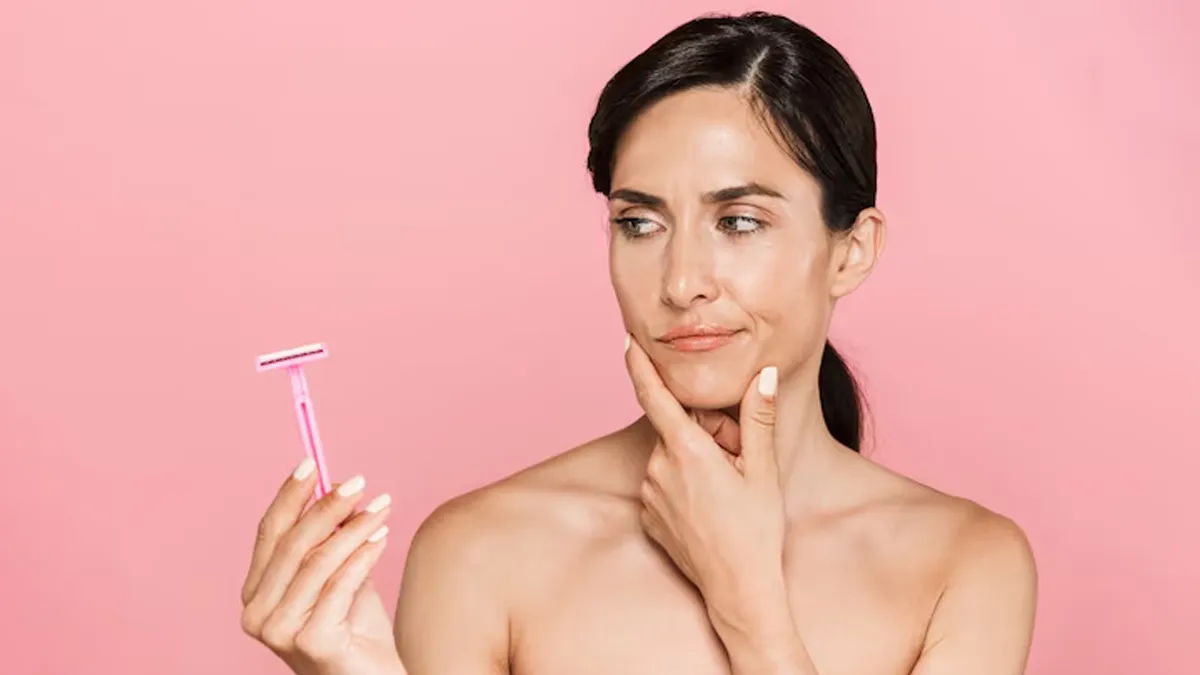
Dr Malhotra recommends considering the following:
- Trimming: Using clean, small scissors can be a simple option.
- Plucking: Occasional plucking is possible, but it can cause ingrown hairs or folliculitis.
- Shaving: It can cause stubble or ingrown hairs.
- Waxing: It may irritate sensitive areolar skin.
- Hair-removal creams: These can cause irritation or chemical burns and are generally best avoided on this sensitive area.
- Laser hair removal: This can be discussed with a dermatologist if the hair is persistent and bothersome.
If you develop a painful, red or pus-filled bump after removing hair, avoid picking it and seek medical advice if it does not settle.
Does More Nipple Hair Mean You Have Too Much Testosterone?
Not necessarily. Hair growth depends on several factors, including genetics, age, hormones and how sensitive individual hair follicles are to androgens.
A person can have naturally dark or coarse areolar hair without having abnormal hormone levels. However, new and rapid hair growth combined with irregular periods, acne or scalp hair loss is more relevant clinically. A doctor may then assess whether there is an underlying hormonal cause.
When Should You See A Doctor?
A few stable hairs usually do not require medical treatment. Consider speaking to a doctor if:
- Hair growth suddenly becomes much thicker or more widespread.
- Your periods become irregular or stop.
- You develop new facial hair or severe acne.
- You notice sudden scalp hair thinning.
- Hair growth is accompanied by unexplained weight or body changes.
- You develop a deepening voice or other sudden physical changes.
A dermatologist, gynaecologist or endocrinologist can help identify whether further hormone testing is needed.
ALSO READ- Can Breasts Grow After 25? Gynaecologist Explains at What Age They Stop
Conclusion
Hair around the nipples is usually normal areolar hair, not a sign of poor hygiene or breast disease. A few hairs can be influenced by genetics, puberty, pregnancy, menopause and normal hormone activity. The main thing to watch is a sudden change in the amount or thickness of hair, especially when it occurs with irregular periods, acne or other signs of hormonal imbalance. If the hair is simply unwanted, removal is a personal choice.
FAQ
Can nipple hair become thicker with age?
Yes. Hormonal changes during puberty, pregnancy and menopause can alter the thickness and visibility of hair around the areola. This does not necessarily indicate a health problem.Can shaving nipple hair make it grow back thicker?
No. Shaving cuts the hair at the skin surface. It does not change the hair follicle or make the hair biologically thicker. It may feel coarser when it grows back because of the blunt cut end.
All possible measures have been taken to ensure accuracy, reliability, timeliness and authenticity of the information; however Onlymyhealth.com does not take any liability for the same. Using any information provided by the website is solely at the viewers’ discretion. In case of any medical exigencies/ persistent health issues, we advise you to seek a qualified medical practitioner before putting to use any advice/tips given by our team or any third party in form of answers/comments on the above mentioned website.
How we keep this article up to date:
We work with experts and keep a close eye on the latest in health and wellness. Whenever there is a new research or helpful information, we update our articles with accurate and useful advice.
-
Current Version
Sep 28, 2026 16:57 IST
Published By : Vivek Kumar
Reviewed By : Dr Karuna Malhotra