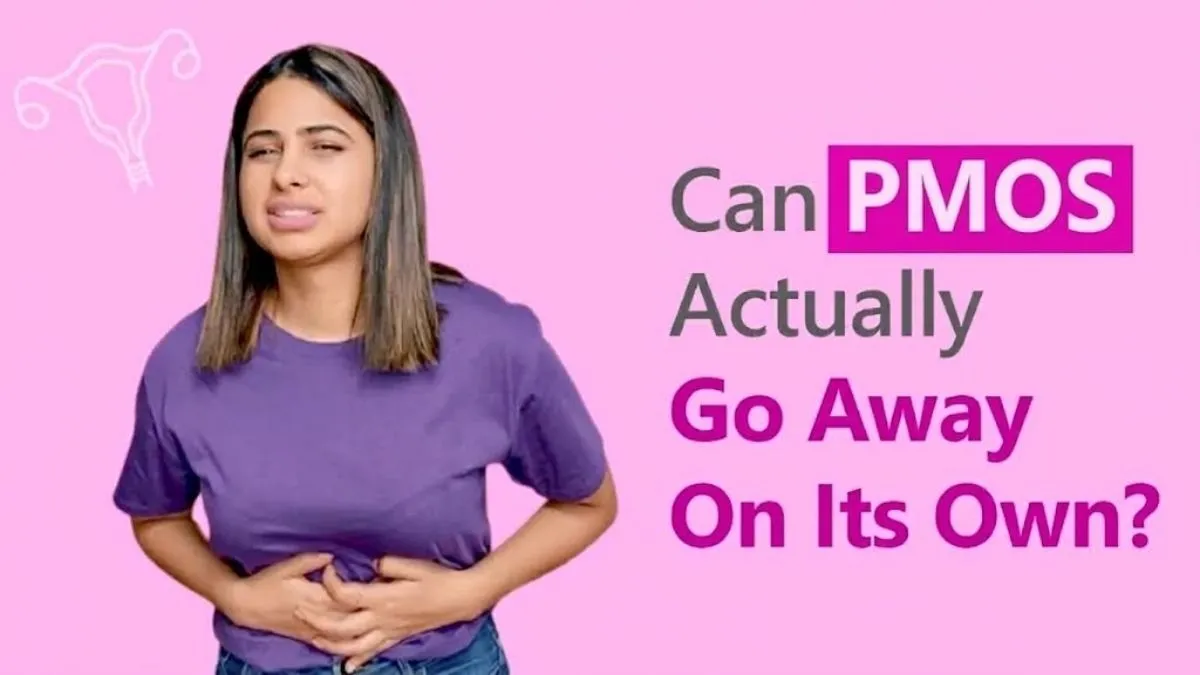
Polyendocrine Metabolic Ovarian Syndrome (PMOS), formerly known as PCOS, is common and can affect people with ovaries during their reproductive years. Symptoms can vary considerably. Some people have several noticeable symptoms, while others may have only one or may have no obvious symptoms at all.
What is PMOS?
PMOS is a complex hormonal and metabolic condition that can affect the way the ovaries function and how the body responds to hormones such as insulin.
According to a Lancet Report, roughly 170 million women across the world are affected by PMOS in their reproductive years.
One of the important features of PMOS is irregular ovulation. The ovaries may not regularly release a mature egg, which can result in irregular or infrequent periods and may make it harder to become pregnant.
PMOS is also associated with increased androgen activity. Androgens are often called male hormones, although everyone produces them. Higher levels or increased effects of these hormones can contribute to excess facial or body hair, acne, and scalp hair thinning.
Another important feature is the way the body handles insulin. Some people with PMOS have insulin resistance, meaning their cells do not respond to insulin as effectively as they should.
The body may compensate by producing more insulin. This can be linked to metabolic problems, including an increased risk of type 2 diabetes.
The condition is therefore not limited to the reproductive system. It can have effects throughout the body.
Why Was PCOS Renamed PMOS?
The former name, polycystic ovary syndrome, has caused confusion for years.
The word polycystic suggests that ovarian cysts are the main feature of the condition. However, having ovarian cysts is not necessary for a diagnosis.
What may be seen on an ultrasound are multiple small follicles containing immature eggs. These are not the same as typical ovarian cysts.
According to a report by the American Society for Reproductive Medicine, the old name also made the condition sound as though it was primarily an ovarian disorder. In reality, PMOS involves hormonal and metabolic processes that can affect several parts of the body.
The new name- polyendocrine metabolic ovarian syndrome- is intended to communicate this wider picture more accurately. Medical organisations including the American Society for Reproductive Medicine have endorsed the change.
The transition from PCOS to PMOS will take time, so women may continue to see both terms used in medical records, research papers and online health information.
What Causes PMOS?
There is no single known cause of PMOS.
The condition appears to result from a combination of genetic, hormonal, and metabolic factors. A family history can increase the likelihood of developing it, suggesting that genes play an important role.
Insulin resistance and higher androgen levels are also closely linked with PMOS. These processes can interact with each other and contribute to problems with ovulation and menstrual cycles.
Body weight can influence symptoms and metabolic health, but PMOS is not simply caused by being overweight. People with different body types can develop the condition.
This is important because focusing only on weight can cause other symptoms to be overlooked and may delay diagnosis.
What Are The Symptoms of PMOS?
PMOS does not look the same in everyone. Symptoms can develop around puberty or later during the reproductive years and may change over time.
Common symptoms include:
- Irregular, infrequent, or absent periods
- Long gaps between periods
- Difficulty becoming pregnant
- Excess facial or body hair
- Thinning hair or hair loss from the scalp
- Persistent acne or oily skin
- Weight gain or difficulty managing weight
- Dark, thickened skin, particularly around the neck or underarms
- Skin tags
- Tiredness
- Mood changes, including anxiety or depression
A person does not need to have all these symptoms to have PMOS.
For example, one woman may mainly experience irregular periods, while another may have acne and excess hair growth but relatively regular cycles.
This variation is one reason the condition can sometimes be difficult to recognise.
How Does PMOS Affect Periods?
Irregular periods are among the most common signs.
Normally, ovulation occurs during the menstrual cycle. In PMOS, hormonal changes can prevent ovulation from happening regularly.
As a result, periods may occur less often, become unpredictable, or disappear for several months.
Some people may also experience heavy or prolonged bleeding when a period eventually occurs.
Irregular periods should not automatically be blamed on PMOS. Stress, thyroid disorders, changes in weight, pregnancy, and other hormonal conditions can also affect the menstrual cycle.
Persistent changes therefore deserve medical assessment.
Can PMOS Cause Fertility Problems?
PMOS is one of the important causes of ovulation-related fertility problems.
When ovulation does not occur regularly, there are fewer opportunities for an egg to be fertilised. This can make conception more difficult.
However, a diagnosis of PMOS does not mean that pregnancy is impossible.
Some people with PMOS become pregnant without fertility treatment. Others may need help to regulate ovulation or use fertility treatments.
Treatment depends on factors such as age, menstrual pattern, ovulation, other health conditions, and whether pregnancy is currently desired.
The important message is that fertility problems associated with PMOS can often be treated.
PMOS and Insulin Resistance
Insulin is a hormone that helps move glucose from the blood into cells, where it can be used for energy.
In insulin resistance, the body's cells respond less effectively to insulin. The pancreas may produce more insulin to compensate.
According to a study published in the Cureus Journal of Medical Science, higher insulin levels can interact with ovarian hormone production and may contribute to increased androgen activity. This can affect ovulation and contribute to symptoms such as irregular periods and excess hair growth.
Insulin resistance can also increase the risk of developing prediabetes and type 2 diabetes.
Not everyone with PMOS has insulin resistance, and not everyone with insulin resistance has PMOS. However, the connection is an important part of understanding the condition.
PMOS, Weight and Metabolism
Weight changes can occur with PMOS, and some people find it difficult to lose weight. Hormonal and metabolic factors can contribute to this difficulty.
However, weight should not be used as the sole measure of whether PMOS is being managed effectively.
Someone with PMOS can have a healthy body weight and still have insulin resistance, irregular ovulation, or increased androgen activity.
Likewise, losing weight is not the only goal of treatment.
Where weight loss is appropriate, even modest and sustainable changes can improve metabolic health for some people. The focus should be on overall health rather than appearance or rapid weight loss.
Can PMOS Affect the Skin and Hair?
Hormonal changes associated with PMOS can affect the skin and hair.
According to a study published in the journal 'Annals of Medicine and Surgery', higher androgen activity can increase oil production and contribute to acne. Some people develop persistent acne beyond their teenage years.
Excess androgen activity can also cause hirsutism, meaning increased growth of coarse hair on areas such as the face, chest, or abdomen.
At the same time, hair on the scalp may become thinner.
These symptoms can have a significant effect on confidence and emotional wellbeing. They are not simply cosmetic concerns and should be discussed with a healthcare professional if they are causing distress.
How is PMOS Diagnosed?
There is no single blood test or scan that confirms PMOS.
Doctors usually look at the overall pattern of symptoms, menstrual history, hormone levels, and other possible causes.
Assessment may include blood tests to examine hormone levels and metabolic health. Depending on the person's age and symptoms, an ultrasound may also be considered.
Importantly, ovarian ultrasound is not always required.
For adults with irregular menstrual cycles and clear signs of increased androgen activity, the diagnosis may sometimes be made without an ultrasound.
Doctors may also investigate other conditions that can produce similar symptoms. This helps prevent a person from being diagnosed with PMOS when another hormonal or medical problem is responsible.
Why diagnosis can take time
PMOS symptoms overlap with many normal or common experiences.
Irregular periods can sometimes be dismissed as stress. Acne may be treated as a skin problem without investigating its hormonal cause. Excess facial hair may be considered a cosmetic issue.
Some people may also have only mild symptoms, making the condition harder to recognise.
Because PMOS can affect several areas of health, a combination of symptoms may be more meaningful than any single symptom.
Women with consistently irregular periods, unexplained excess facial or body hair, persistent acne, or difficulty becoming pregnant should consider speaking with a healthcare professional.
What Are The Long-term Health Risks?
PMOS is a long-term condition, and its importance goes beyond menstrual cycles and fertility.
People with PMOS can have an increased risk of metabolic and cardiovascular problems, including:
- Type 2 diabetes
- High blood pressure
- Abnormal cholesterol levels
- Cardiovascular disease
- Fatty liver disease
There can also be mental health effects. Anxiety and depression are more common among people with PMOS and should be taken seriously.
The risk of complications varies between individuals. Regular health checks can help identify problems early and allow them to be managed.
PMOS and Heart Health
The metabolic changes associated with PMOS can affect cardiovascular health. According to a study published in the BMJ journal, women with PMOS have four times higher risk of heart disease.
Insulin resistance, high blood pressure, abnormal cholesterol and excess weight can occur alongside the condition and may increase cardiovascular risk.
This is why managing PMOS should not focus only on periods or fertility.
Checking blood pressure, blood glucose and cholesterol when appropriate can help identify cardiovascular risk factors early.
A healthy diet, regular physical activity, adequate sleep and treatment of metabolic problems can all form part of long-term risk reduction.
PMOS and Fatty Liver
PMOS is also associated with an increased risk of metabolic dysfunction-associated steatotic liver disease, commonly known as fatty liver disease.
Insulin resistance and other metabolic factors may contribute to fat accumulation in the liver.
Fatty liver can develop without obvious symptoms, so people with PMOS and metabolic risk factors may benefit from appropriate assessment by their healthcare professional.
Managing blood sugar, cholesterol, blood pressure and weight can help reduce broader metabolic risks.
PMOS During Pregnancy
Having PMOS does not mean that a person cannot have a healthy pregnancy.
However, some pregnancy-related risks can be higher, including gestational diabetes and high blood pressure during pregnancy.
People with PMOS who are planning pregnancy should discuss their health with a healthcare professional. Managing blood sugar, blood pressure, weight, and medications before and during pregnancy can help support maternal and fetal health.
Fertility treatment, when needed, can also be planned according to the individual's circumstances.
How is PMOS Treated?
There is currently no cure for PMOS, but its symptoms and associated health risks can be managed.
Treatment depends on what symptoms are affecting the person and whether they are trying to become pregnant.
For someone who is not trying to conceive, hormonal contraception or progesterone-based treatment may be used in suitable cases to regulate bleeding and protect the womb lining.
Treatments for acne and unwanted hair may also be considered.
For people experiencing fertility problems, medicines that help stimulate ovulation may be recommended. Depending on the situation, other fertility treatments may be considered.
Metformin may be prescribed for some people, particularly when insulin resistance or metabolic problems are present.
Weight-management medicines may also be appropriate for selected individuals.
Treatment should always be personalised rather than based on a single symptom.
What lifestyle changes can help?
Lifestyle changes can support PMOS management, particularly metabolic health.
Regular physical activity can improve insulin sensitivity and cardiovascular health. It does not have to involve intense exercise. Walking, cycling, swimming, strength training, or other activities that can be maintained consistently may be useful.
A balanced diet can also support blood sugar and metabolic health. Meals can include vegetables, whole grains, pulses, protein-rich foods, fruit and healthy fats.
Adequate sleep is important because poor sleep can affect appetite, energy and metabolic health.
The aim should be sustainable habits rather than restrictive diets or rapid weight-loss programmes.
When To See a Doctor?
Medical advice is appropriate if you have:
- Periods that are consistently irregular or absent
- Long gaps between periods
- Persistent acne that began or continued into adulthood
- New or excessive facial or body hair
- Unexplained scalp hair thinning
- Difficulty becoming pregnant
- Unexplained weight changes alongside other symptoms
- Dark, thickened patches of skin around the neck or underarms
Having one of these symptoms does not automatically mean you have PMOS. Several other conditions can cause similar changes.
A healthcare professional can assess the symptoms and decide whether hormonal, metabolic, or other investigations are needed.
Final Word
PMOS is the new name for the condition previously known as PCOS. The change reflects a better understanding of the disorder as a hormonal, metabolic, and reproductive condition that affects the whole body, rather than simply an ovarian problem.