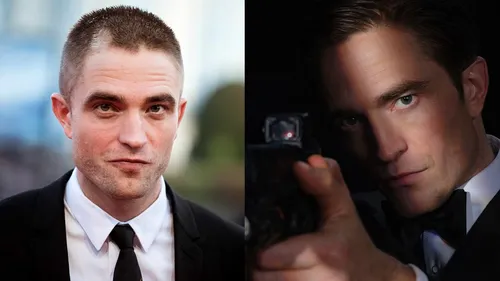
It's finally official, Robert Pattinson is the new James Bond actor. The actor is famous for his roles in Twilight, Tenet and The Batman. However, with the new update, we are going to discuss his hair loss experience.
The new 007 actor had spoken about how chemically treating his hair for a film role left it severely damaged. But can bleaching actually cause hair loss? To understand how the process affects hair and how to protect yourself, we spoke to Dr Karuna Malhotra.
Robert Pattinson Once Spoke About Hair Damage After Bleaching
Robert Pattinson's hair transformation for the 2017 crime thriller Good Time involved repeatedly changing his hair colour. The new Bond actor even switched between a dyed black perm and peroxide lightened hair for the role. He said that the hair suffered from multiple chemical processes.
In an interview with the South China Morning Post, Pattinson described the experience as unpleasant. He spoke about how his hair had changed after months of chemical processing.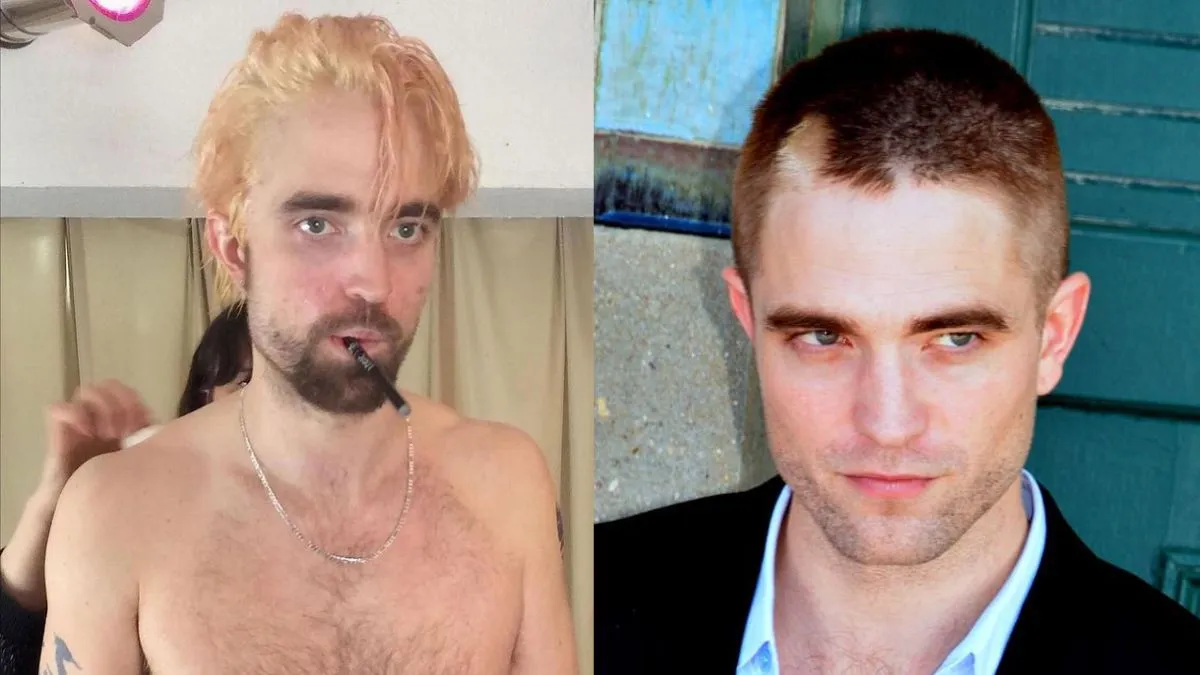 robert pattinson hair loss
The actor said, "It was pretty gross. I thought I was going to look a lot trendier than I did." He also described the condition of his hair after repeatedly changing its colour, saying, "Your hair is no longer hair."
Although this interview does not establish a medical diagnosis of hair loss, it highlights how repeated bleaching can affect hair quality and strength.
How Does Hair Bleaching Damage Your Hair?
Dr Karuna Malhotra, Cosmetologist, Skin Specialist and Founder, Advanced Skin Clinic, New Delhi says, "Bleaching removes colour by breaking down melanin, the pigment inside each hair. To do this, the chemicals also weaken the hair's structure. Repeated bleaching adds up the damage, so hair becomes dry, rough, brittle and prone to breakage, and the scalp can become irritated."
Hair bleaching is a process that uses chemicals including hydrogen peroxide and alkaline solution. They help to strip away natural colour from the hair in unison.
This is what occurs in the process:
- The cuticle unopens: The scales on the outside of the hair cover each other. The ingredients that are alkaline loosen these scales and enable the bleaching chemicals to penetrate.
- Melanin is removed from the hair: Hydrogen peroxide oxidises the natural pigments.
- Protein bonds are disrupted: Hair consists of the protein keratin, which gives strength to protein. Its disulphide bond(s) may be damaged during oxidative treatment, thereby weakening the strands.
- Natural protection is compromised: Lipid layer of hair will be affected by bleaching, resulting in hair porosity, frizz and dryness.
- Accumulation of damage: Damage done over time. The hair shaft is not as reparable as living tissue.
A 2021 study published in the Journal of Biophotonics, examined how bleaching affects the mechanical properties of human hair. Researchers observed changes in the cuticle and cortex after bleaching, highlighting how chemical treatments can alter hair structure.
What Are The Visible Signs Of Bleaching Damage?
Dr Malhotra states that "hair dries out, becomes rough, brittle and breaks easily. These changes may be more apparent following multiple chemical treatments. robert pattinson hair bleach
Some of the common symptoms include:
- Dry, straw-like and frizzy hair.
- Brittle and split ends.
- Wet hair that is too soft or sticky to the touch.
- Loss of shine and dull strands.
- Asymmetrical colour or brassy.
- Hair which snaps easily when touched or combed.
A 2024 study published in Applied Microscopy, examined bleached hair using advanced microscopy. Researchers found damaged and separated cuticle layers, cracks and changes in the internal structure. The findings showed how excessive bleaching can weaken hair fibres and increase their risk of breakage.
Can Hair Bleaching Cause Hair Loss?
The scalp irritation and inflammation can also contribute to the temporary hair loss, Dr Malhotra explains, and bleaching does not typically damage the hair root, although severe burns may leave scars on the scalp, resulting in permanent hair loss.
It is crucial to differentiate hair breakage from hair loss. Hair breakage occurs when hair strands become weak and weaken from the center or near the scalp. This can lead to thinner looking hair.
Hair shedding, however, is when the hair falls out from the follicle. Temporary shedding can be caused by severe irritation or inflammation of the scalp. In very rare instances, severe chemical burns may lead to permanent damage of the follicles and scarring.
So, thinning hair due to bleaching is not always a sign of balding.
How Can You Protect Your Hair While Bleaching?
Dr Malhotra advises taking precautions before and after chemical treatments. She says, "Repeated bleaching adds up the damage," making it important to avoid unnecessary processing.
There are some steps you can take to minimize that risk:
- Don't bleach it too often: Allow your hair time to recover between bleaches. Talk to your stylist or dermatologist about what's the best time to have it.
- Use a professional: Don't play with the strong bleaching agents at home, especially if you have dark or already colored hair.
- Do a patch and strand test: Test your hair for any skin reactions and how it will respond to the product. Follow manufacturer's test instructions.
- Don't do double dipping: Using bleach on areas that have already been bleached may cause more damage.
- Take precautions when using other treatments: Do not bleach weakened or recently chemically straightened or relaxed hair.
- Apply conditioning treatments: Deep-conditioning masks can help to make hair soft, easier to manage and more moisturized.
- Limit heat styling: Minimize straighteners, curling irons and blow drying at high temperatures.
- Delicate detangling: A wide-tooth comb and begin at the ends to minimize extra pulling.
- Keep hair safe when exposed to the elements: Cover head when in sun for extended periods of time and rinse hair after swimming in chlorinated water.
The American Academy of Dermatology also recommends limiting chemical treatments and protecting coloured or bleached hair from sun exposure to reduce dryness and brittleness.
When Should You See A Dermatologist?
Dr Malhotra says, "Stop and see a dermatologist if your scalp burns or hair loss starts."
If you do have symptoms consult medical advice and care for:
- Chronic burning, pain or redness following bleaching.
- Blisters, swelling or oozing on the scalp.
- Excessive itching and/or rash.
- Focally thinning hair or hair that falls out in clumps.
- Abnormally fragile hair that tends to part at the base.
Sometimes, chemical reactions can get worse if they are not treated properly. Any dermatologist or doctor can look into the scalp and find the cause and suggest appropriate treatment.
ALSO READ- Are Commercial Hair Growth Serums Really Safe? Dermatologist Weighs In
Conclusion
Robert Pattinson's 2017 experience is a reminder that repeated hair transformations can affect hair health. Bleaching removes natural pigment but can also weaken the hair shaft, making it dry and prone to breakage.
Following professional advice, avoiding repeated chemical processing and caring for treated hair can help reduce damage. If you notice scalp burns or unusual hair shedding, consult a dermatologist instead of trying home remedies.
All possible measures have been taken to ensure accuracy, reliability, timeliness and authenticity of the information; however Onlymyhealth.com does not take any liability for the same. Using any information provided by the website is solely at the viewers’ discretion. In case of any medical exigencies/ persistent health issues, we advise you to seek a qualified medical practitioner before putting to use any advice/tips given by our team or any third party in form of answers/comments on the above mentioned website.
How we keep this article up to date:
We work with experts and keep a close eye on the latest in health and wellness. Whenever there is a new research or helpful information, we update our articles with accurate and useful advice.
-
Current Version
Nov 17, 2026 13:59 IST
Published By : Vivek Kumar
Reviewed By : Dr Karuna Malhotra