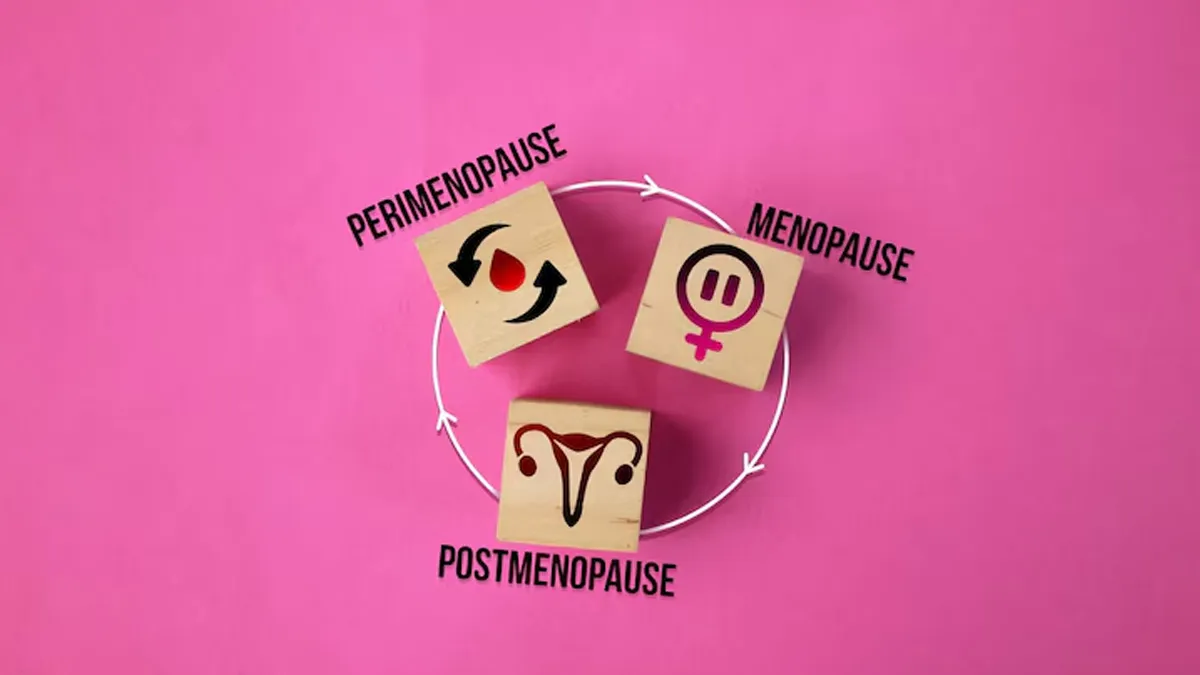
You fall asleep without much difficulty, only to find yourself wide awake at 3 am, staring at the ceiling and unable to drift back to sleep. If you're in your 40s or early 50s, this frustrating pattern may not be caused by stress alone: it can be a sign of perimenopause. This is the phase of hormonal transition leading up to menopause. Sleep disturbances are among the earliest and most common symptoms of perimenopause. It affects nearly half of women during this phase. Unfortunately, many dismiss it as a normal part of ageing, unaware that hormonal fluctuations are often the underlying cause.
To understand this better, we reached out to our experts, Dr Ritambhara Bhalla, Associate Director, Department of Obstetrics and Gynaecology, Cloudnine Group of Hospitals, Chandigarh, and Dr Lavanya Kiran, Director and Lead Consultant, Obstetrics, Gynaecology, KIMS Hospitals, Electronic City, Bengaluru.
Why Does Perimenopause Affect Sleep?
Firstly, we need to understand how perimenopause is linked to insomnia. Dr Bhalla says, “During perimenopause, the ovaries gradually produce less oestrogen and progesterone. Progesterone has a calming effect on the brain and promotes restful sleep, while estrogen helps regulate body temperature and supports the production of melatonin, the hormone that controls the sleep-wake cycle. As these hormone levels fluctuate, sleep becomes lighter, more fragmented, and less restorative.”
The expert adds, “Many women also experience hot flashes and night sweats, which can repeatedly wake them during the night. Even if they fall back asleep quickly, these interruptions reduce the amount of deep sleep the brain and body need to recover.” Dr Bhalla continues, “Another common culprit is rising cortisol, the body's stress hormone. Women in midlife often juggle demanding careers, ageing parents, teenage children, financial responsibilities, and household management. This constant ‘mental load’ keeps the brain alert long after bedtime, making it difficult to stay asleep.”
Adding to this, Dr Kiran says, “One of the most common problems is waking up in the middle of the night between 3:00 and 5:00 AM. The fluctuations of hormones have an impact on the biological rhythm of the body. This can cause various disturbances such as hot flashes, night sweats, anxiety, mood swings, and other symptoms, which can interfere with sleep.”

Why Perimenopause Makes You Wake Up at 3 am?
Dr Bhalla says that early morning awakening is particularly common during perimenopause. Explaining this further, she adds, “Hormonal fluctuations, increased cortisol levels, anxiety, and disrupted circadian rhythms can cause women to wake in the early hours and struggle to return to sleep. Frequent urination, snoring, or undiagnosed sleep apnoea may also contribute, particularly in women who are overweight or have high blood pressure.”
The expert continues, “Persistent sleep deprivation is far more than an inconvenience. Over time, it can increase the risk of anxiety, depression, memory problems, weight gain, insulin resistance, diabetes, hypertension, and cardiovascular disease. Poor sleep also affects concentration, work performance, relationships, and overall quality of life.”
A 2025 study, published in The Journal of Clinical Medicine, explores why severe sleep issues, particularly the inability to stay asleep at night, impacts up to 60 percent of women during perimenopause. The researchers note that dropping levels of key hormones such as oestrogen and progesterone directly interfere with the brain's natural ability to regulate a steady sleep cycle.
The research also adds that perimenopausal women face a significantly higher risk of developing other compounding sleep disorders such as sleep apnoea or restless legs syndrome. The study concludes that perimenopausal insomnia is a real, biologically driven condition that needs targeted treatments, and should not be brushed off as everyday stress or normal sign of ageing.
Tips To Improve Sleep Quality
Dr Bhalla says that good sleep begins with healthy habits. On this note, the expert shares some practical tips to deal with insomnia caused by perimenopause:
- Maintain a consistent bedtime and wake-up time every day, including weekends.
- Avoid caffeine after late afternoon.
- Limit alcohol close to bedtime, as it can further disrupt sleep.
- One of the most effective strategies is practising digital hygiene. Turn off smartphones, tablets, and laptops at least one hour before bed. Blue light from screens suppresses melatonin production, while late-night scrolling and work emails keep the brain mentally stimulated.
- Keep your bedroom cool, dark, and quiet.
- Regular exercise, yoga, meditation, and deep breathing exercises can reduce stress and improve sleep quality.
- Spending 10–15 minutes in natural morning sunlight also helps regulate your body's internal clock.

When Should You Seek Medical Help?
Dr Bhalla says you need to consult your gynaecologist if insomnia persists for more than three weeks, significantly affects your daily life, or is accompanied by severe hot flashes, loud snoring, excessive daytime sleepiness, anxiety, or depression.
She adds, “Treatment depends on the underlying cause and may include lifestyle modifications, Cognitive Behavioural Therapy for Insomnia (CBT-I), treatment of menopausal symptoms, or Menopausal Hormone Therapy (MHT) for women who are appropriate candidates. Your doctor may also evaluate for thyroid disorders, anaemia, or sleep apnoea if indicated.”
ALSO READ- At What Age Does Perimenopause Start in Indian Women? Doctor Explains Early Signs
Conclusion
Perimenopause is a natural transition, but chronic sleep loss should never be accepted as ‘just part of ageing.’ Prioritising sleep is one of the most powerful ways to protect your hormonal health, emotional wellbeing, and long-term quality of life. After all, better days begin with better nights.
FAQ
What helps insomnia during perimenopause?
Treating perimenopausal insomnia involves addressing the root hormonal shifts, managing night sweats, and practicing targeted sleep hygiene.How long does perimenopause insomnia last?
Perimenopause insomnia typically lasts throughout the entire menopausal transition, which spans 4 to 10 years, and can sometimes persist for 1 to 3 years (or longer) into postmenopause.
All possible measures have been taken to ensure accuracy, reliability, timeliness and authenticity of the information; however Onlymyhealth.com does not take any liability for the same. Using any information provided by the website is solely at the viewers’ discretion. In case of any medical exigencies/ persistent health issues, we advise you to seek a qualified medical practitioner before putting to use any advice/tips given by our team or any third party in form of answers/comments on the above mentioned website.

How we keep this article up to date:
We work with experts and keep a close eye on the latest in health and wellness. Whenever there is a new research or helpful information, we update our articles with accurate and useful advice.
-
Current Version
Sep 01, 2026 19:01 IST
Published By : Shruti Das
Reviewed By : Dr Lavanya Kiran