
Have you ever felt extremely tired and exhausted after hitting the bed at night, yet unable to sleep? If this is something you can relate to, then let us tell you that you are not alone. Feeling exhausted but experiencing insomnia is common. Today, we will explain the causes behind this.
Tounderstand this better, we reached out to Dr Brunda M S, Senior Consultant, Internal Medicine, Aster CMI Hospital, Bangalore.
Reasons Behind Exhaustion But No Sleep
Dr Brunda shares that feeling exhausted but still unable to sleep is a common problem. She explains, “Experts say it usually happens because the body is tired, but the mind is still active. Stress, anxiety, and overthinking can keep the brain alert even when the body needs rest. Hormones like cortisol, which increase during stress, can block the natural sleep signal and make it harder to fall asleep.”
Citing other reasons, Dr Brunda shares, “Too much screen time before bed also plays a role; the blue light from phones and laptops reduces melatonin, the hormone that helps you sleep. Irregular sleep schedules, late-night eating, caffeine intake, and lack of physical activity can further confuse the body’s internal clock.”
The expert continues, “Sometimes, people push through tiredness during the day, which can lead to a second burst of energy at night, making sleep difficult. Mental health conditions like anxiety or depression can also affect sleep patterns.”
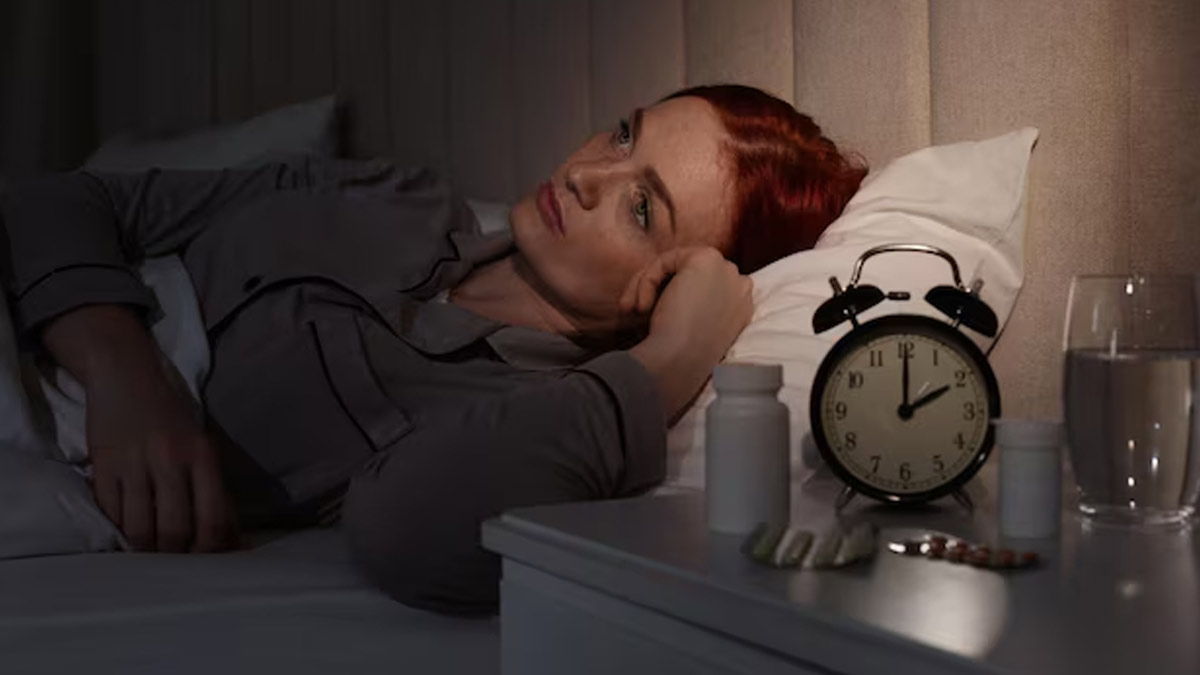 exhaustion sleep 1
Tips to Deal With Insomnia
Dr Brunda shares some tips to deal with insomnia, even when you are exhausted:
- Create a calm bedtime routine.
- Reduce screen use at night.
- Go to bed at the same time every day to improve sleep quality.
- Simple habits such as deep breathing, reading, or listening to soft music can help relax the mind and prepare the body for restful sleep.
According to the National Health Service (NHS), here are some tips to deal with insomnia:
- Go to bed only when you are sleepy.
- Wake up and go to bed at night at the same time daily.
- Relax for at least 1 hour before bed – for instance, take a bath or read a book.
- Create a dark, quiet and calming environment in your bedroom by using curtains or blinds.
- Exercise regularly and stay active during the day.
- Use comfortable mattresses, pillows and covers.
ALSO READ- Can Heat Stress Lead to Poor Sleep? Here's What Expert Says
Conclusion
Exhaustion but no sleep generally happens when the body is tired, but the mind is still active. There are several other factors such as stress, anxiety, overthinking, and too much screen time before bed, all of which can keep the brain alert at night. The best way to deal with this is by creating a fixed bedtime routine, keeping your bedroom environment calm, managing stress, and avoiding screen before sleep at night.
All possible measures have been taken to ensure accuracy, reliability, timeliness and authenticity of the information; however Onlymyhealth.com does not take any liability for the same. Using any information provided by the website is solely at the viewers’ discretion. In case of any medical exigencies/ persistent health issues, we advise you to seek a qualified medical practitioner before putting to use any advice/tips given by our team or any third party in form of answers/comments on the above mentioned website.
How we keep this article up to date:
We work with experts and keep a close eye on the latest in health and wellness. Whenever there is a new research or helpful information, we update our articles with accurate and useful advice.
-
Current Version
May 07, 2026 12:49 IST
Modified By : Shruti Das May 07, 2026 12:49 IST
Modified By : Shruti DasMay 07, 2026 12:49 IST
Published By : Shruti Das
Reviewed By : Dr Brunda M S