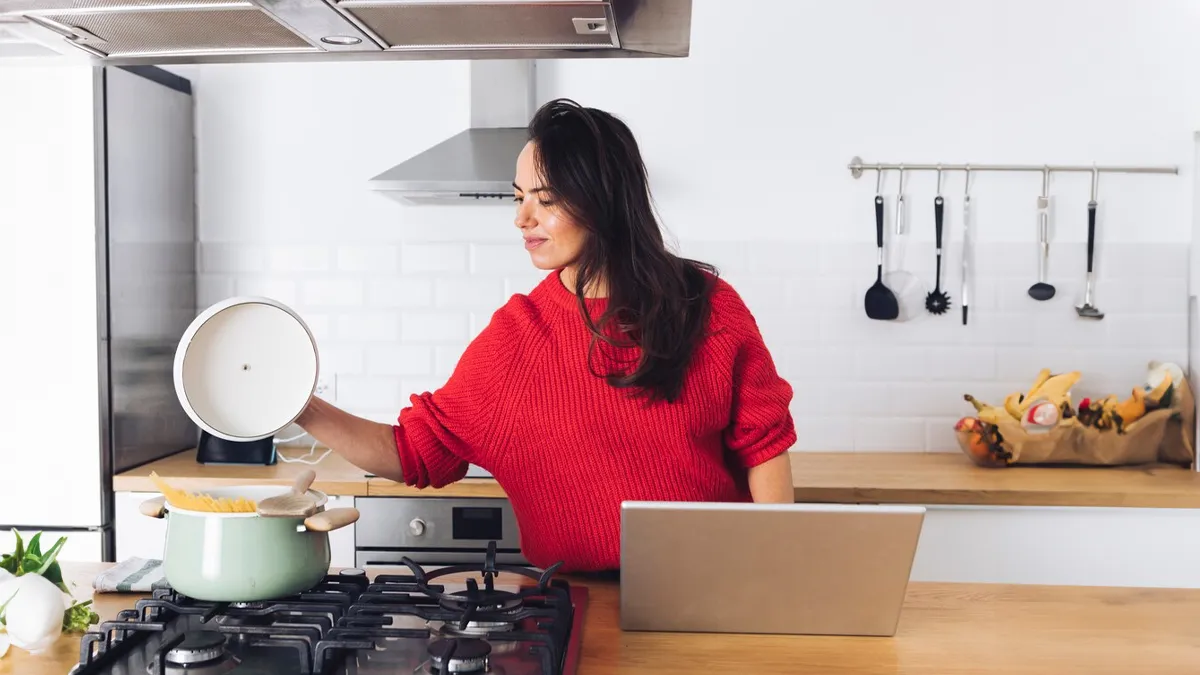
Almost every household consists of a gas stove. A kitchen is not complete without this. It is a necessity in today’s world. But what if we tell you that gas stoves are not as harmless as they seem? Yes, you read that right. Did you know that they can emit harmful gases and thereby, pollute the indoor air? Well, this is unfortunately the truth. And what’s worse? Many people are unaware of this. Today, we will tell you all you need to know about the negative health impact of gas stoves.
To get an expert view on this, we reached out to Dr Brunda MS, Sr. Consultant - Internal Medicine, Aster CMI Hospital, Bangalore. Read on.
Do Gas Stoves Pollute Indoor Air?
Indoor air quality can be affected by multiple factors. Are gas stoves one of them? Our expert answers. “Yes, gas stoves can pollute indoor air. When gas is burned, it releases pollutants like nitrogen dioxide and carbon monoxide. These gases can irritate the lungs and worsen breathing problems,” says Dr Brunda MS.
She adds, “Poor ventilation can make the pollution build up inside the home. Even when a stove is off, small gas leaks may release harmful chemicals. Children, older adults, and people with asthma are more sensitive to these effects. Using an exhaust fan or opening windows can help reduce indoor pollution. Keeping the stove well maintained also lowers risk. Clean cooking habits and good airflow make gas stove use safer indoors.”
 gas stove 1
Tips To Reduce Air Pollution From A Gas Stove
Now that we know that gas stoves do have the potential to pollute the air around us, we ask our expert whether we can reduce the risk. Dr Brunda MS shares some tips on the same:
- You can reduce air pollution from a gas stove by improving ventilation in your kitchen.
- Always use an exhaust fan or chimney that vents air outside while cooking.
- Opening windows and doors helps fresh air circulate.
- Keep the gas stove clean and well maintained to ensure proper burning.
- Regularly check for gas leaks and fix them quickly.
- Avoid using the stove for heating the room.
- Cook on a low or medium flame to reduce harmful emissions.
- Limit cooking time when possible.
“These simple steps can lower indoor air pollution and make cooking safer for your health,” adds the expert.
Also Read: Winter Running: How to Protect Your Lungs From The Cold?
Negative Health Effects Of Gas Stoves
Dr Brunda MS reiterates that gas stoves can have negative health effects if used without proper ventilation. On this note, she lists down some of its negative impacts on health:
- Gas stoves release gases like nitrogen dioxide and carbon monoxide, which can irritate the lungs and worsen asthma or other breathing problems.
- Long-term exposure may increase the risk of respiratory infections and reduce lung function, especially in children.
- Gas leaks can be dangerous and may cause headaches, dizziness, or even poisoning in severe cases. Cooking with high flames or in poorly ventilated areas increases these risks.
“Using an exhaust fan, keeping the kitchen ventilated, and maintaining the stove can help reduce these health problems,” shares the expert.
If you are wondering whether gas stoves emit unsafe levels of nitrogen dioxide or not, here’s the answer. “Yes, gas stoves can emit unsafe levels of nitrogen dioxide, especially when used in kitchens with poor ventilation. Nitrogen dioxide is a harmful gas that can irritate the lungs, cause coughing, and worsen asthma or other breathing problems. Children, older adults, and people with respiratory issues are more sensitive to it. The concentration of nitrogen can rise quickly if windows are closed and exhaust fans are not used. Cooking on high flames or for long periods increases the risk. Proper ventilation, regular stove maintenance, and using the exhaust fan can help reduce nitrogen dioxide levels and make indoor air safer.”
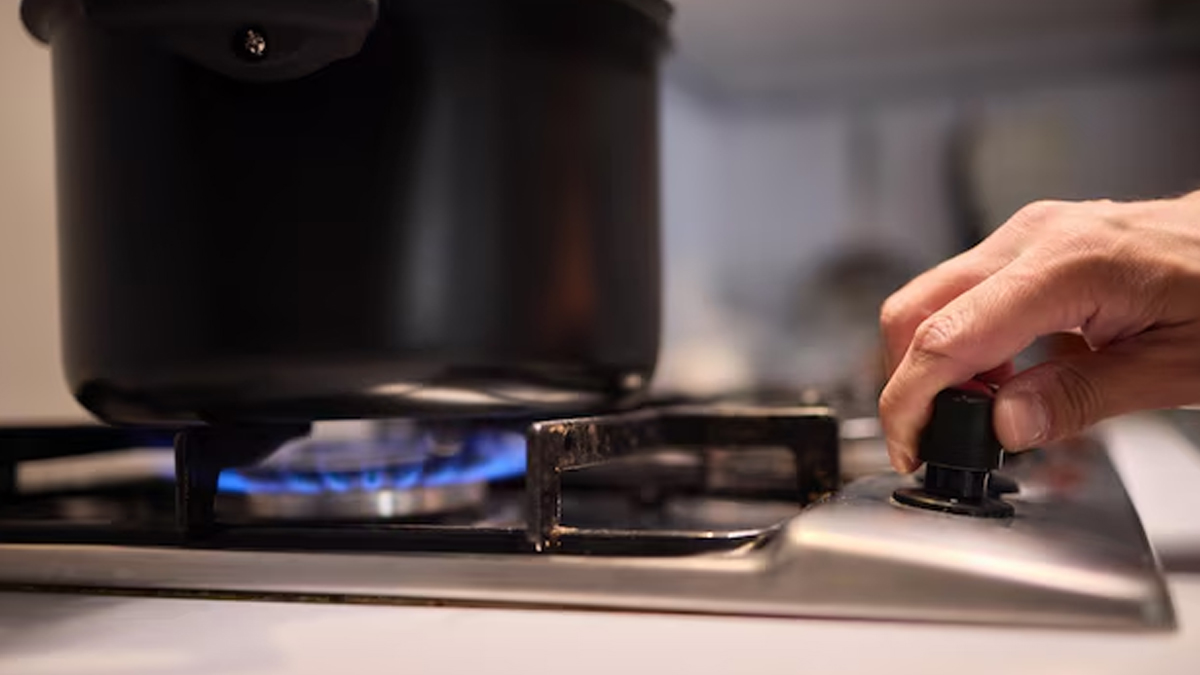 gas stove 2
Tips To Protect Your Health While Using Gas Stove At Home
To protect your health while using a stove at home, follow these expert-backed tips:
- Always cook in a well-ventilated kitchen.
- Turn on an exhaust fan or open windows to let smoke and gases escape.
- Keep the stove clean and check for gas leaks regularly.
- Use medium or low flames to reduce harmful emissions.
- Never use the stove to heat the room.
- Store flammable items away from the stove.
- Avoid standing too close while cooking, especially when frying.
- Teach children to stay at a safe distance.
“These simple habits lower the risk of breathing problems, poisoning, and accidents, keeping your home safer and healthier,” concludes Dr Brunda MS.
Also Read: Poor Air Quality May Increase Risk of Painful Periods, Study Warns | Here's What You Should Do
The Final Word
Gas stoves can pollute indoor air. When gas is burned, it releases pollutants like nitrogen dioxide and carbon monoxide. These gases can irritate the lungs and worsen breathing problems. Using an exhaust fan, keeping the stove well maintained and clean cooking habits can make gas stove use safer indoors.
FAQ
Are gas stoves safe for your health?
Breathing high levels of indoor air pollution associated with gas stoves can increase the risk of heart and lung diseases.What are the disadvantages of gas stoves?
Gas stoves pose a risk of gas leaks, which can be hazardous if not promptly addressed.Is it healthier to cook with gas or electricity?
Transitioning to electric stoves could reduce exposure to harmful gases by over 50%.
All possible measures have been taken to ensure accuracy, reliability, timeliness and authenticity of the information; however Onlymyhealth.com does not take any liability for the same. Using any information provided by the website is solely at the viewers’ discretion. In case of any medical exigencies/ persistent health issues, we advise you to seek a qualified medical practitioner before putting to use any advice/tips given by our team or any third party in form of answers/comments on the above mentioned website.
How we keep this article up to date:
We work with experts and keep a close eye on the latest in health and wellness. Whenever there is a new research or helpful information, we update our articles with accurate and useful advice.
-
Current Version
Jan 13, 2026 19:56 IST
Modified By : Shruti Das Jan 13, 2026 19:56 IST
Modified By : Shruti DasJan 13, 2026 19:56 IST
Modified By : Shruti DasJan 13, 2026 19:56 IST
Modified By : Shruti DasJan 13, 2026 19:56 IST
Published By : Shruti Das
Reviewed By : Dr Brunda M S