In cities across India, persistent coughs, breathlessness, and chest discomfort are often brushed off as just a cold or a seasonal allergy. However, with rising air pollution levels, and AQI tocuhing the 500 mark, these everyday symptoms could be your lungs asking for attention. According to experts, unusual symptoms in the respiratory system should never be overlooked.
In an exclusive interaction with the editorial team of Onlymyhealth, Dr Sunil Kumar K, Lead Consultant, Interventional Pulmonology at Aster CMI Hospital, Bangalore, explained that cough and cold can be very common symptoms, but cough that persists for long or cough that prevents breathing or discomfort in the chest can also be an indicator that air pollution or poor lung health might be affecting your body. Read ahead to know everything he shared with us.
At-Home Tests That Tell You If Your Lung Health Is in Danger
According to Dr Kumar, there are certain at-home tests that work as warning signals. Here are five simple tests that may help you determine whether your lungs are functioning quite efficiently or require specialised attention:
1. The Breath-Holding Test
This is a very simple technique to have a rough estimate of your lung capacity. Take a deep breath and hold it as long as you comfortably can, without forcing yourself. Here’s how to know your range:
- Normal range: About 30 to 40 seconds
- Warning sign: Struggling to reach 20 seconds
Dr Sunil said that limited breathed holding capacity could be an indicator of low lung reserve, which may occur owing to pollution, smoking, or certain pulmonary diseases.
ALSO READ- The Ultimate Expert-backed Diet To Fight Delhi’s Toxic Air
2. The Stair or Walking Test
Climb two flights of stairs, or walk quickly for a few minutes. Range for this are:
- Normal Response: Slight difficulty in breathing that subsides.
- Warning Sign: Difficulty breathing, dizziness, and rapid heartbeat that take time to subside
If your physical activities make you abnormally fatigued, this could mean difficulty with oxygen utilisation or lung function.
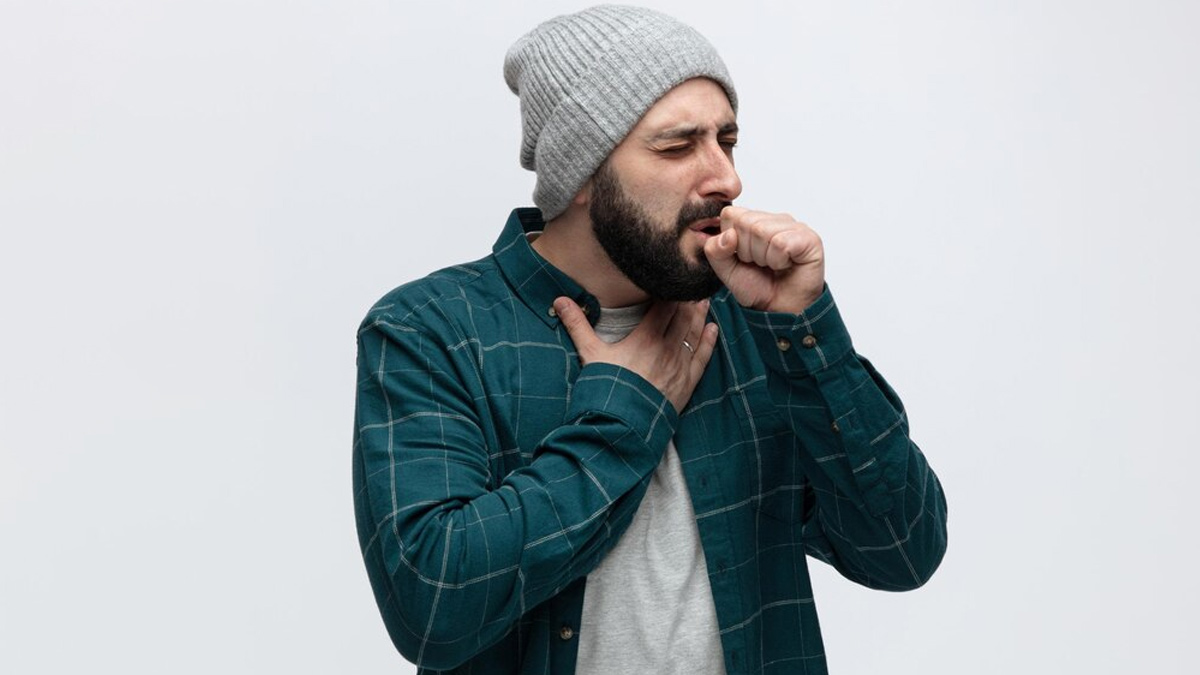
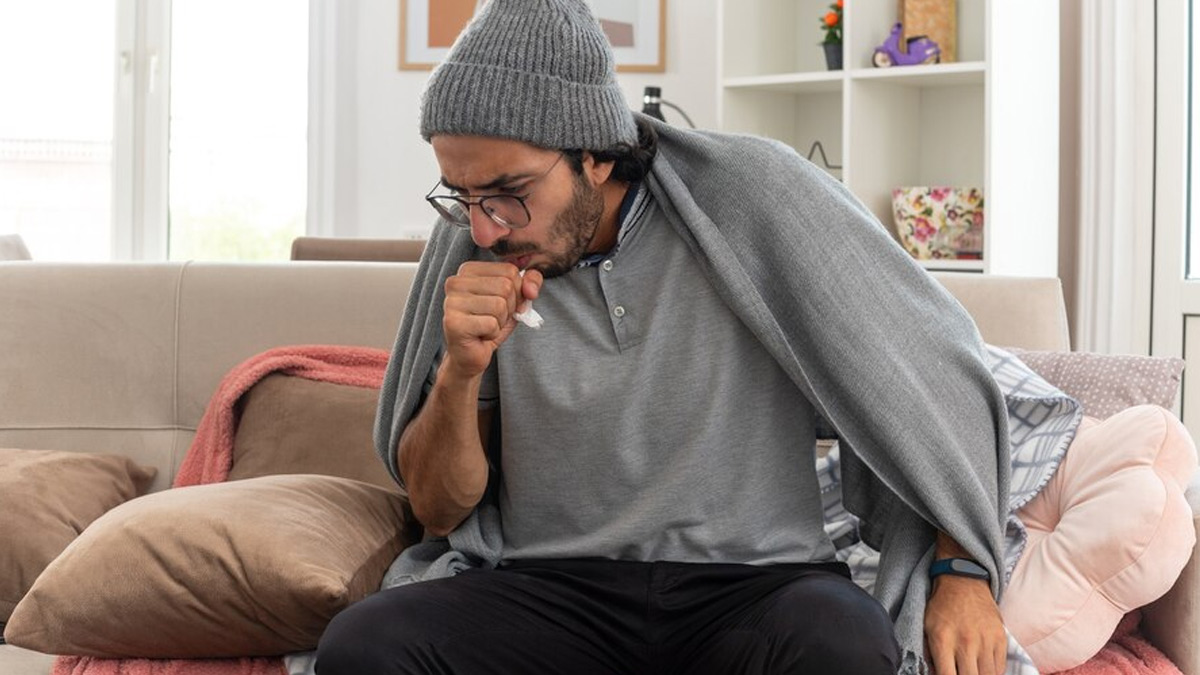
3. The Cough Pattern Check
No two coughs are alike. Dr Kumar urged to pay attention to cough duration and cough characteristics. Here are a few signs that suggest that you lungs are in danger:
- Cough persisting over two weeks
- Thick or sticky mucus
- Worsening symptoms in polluted environments
Such couges could mean lung irritation and infection and irritation due to pollution rather than the typical viral cold.
ALSO READ- Feeling Congested? Learn How to Use Steam Therapy for Instant Winter Comfort
4. The Morning Mucus Check
Our body often reveals clues first thing in the morning. While a clear or white mucus is normal, it is yellow, green, brown, or blood-streaked mucus, that could be an sign of underlying lung problem,
“If the mucus is discoloured, this could represent an infection, irritation, or stress of the lungs from pollution exposure,” Dr Kumar said.
5. Sleep and Fatigue Check
Lung health can also impact the sleeping patterns. Feeling tired after waking up even after adequate sleep or having trouble breathing when lying down usually indicate a lung condition.
These could be indicative of inefficient breathing while asleep, a low oxygen content in the blood, or emerging lung problems.
When Should You See a Doctor?
Dr Kumar recommended that if any of these signs occur frequently or worsen, it’s time to act. Alternatively, few other things that he advised include, avoiding places with polluted air, stopping smoking, using a mask while going out, drinking plenty of water, and performing breathing exercises, though they are no alternatives to consulting a doctor.
Bottomline
Occasional coughs and colds are normal, but persistent symptoms could be your lungs reacting to pollution or hidden health issues. Simple tests at home can serve as initial warnings. Early medical care will guard against lung ailments.
FAQ
1. Can home tests diagnose lung disease?
No. Home tests are only for suspected problems. A proper diagnosis needs medical testing, such as spirometry or imaging studies.2. Does air pollution also affect healthy individuals?
Yes. Non-smokers and physically active people can develop lung irritation due to exposure to pollution.3. When is a cough considered serious?
If it lasts more than two weeks, produces thick or colored mucus, or worsens with pollution, it should be evaluated by a doctor.
All possible measures have been taken to ensure accuracy, reliability, timeliness and authenticity of the information; however Onlymyhealth.com does not take any liability for the same. Using any information provided by the website is solely at the viewers’ discretion. In case of any medical exigencies/ persistent health issues, we advise you to seek a qualified medical practitioner before putting to use any advice/tips given by our team or any third party in form of answers/comments on the above mentioned website.

How we keep this article up to date:
We work with experts and keep a close eye on the latest in health and wellness. Whenever there is a new research or helpful information, we update our articles with accurate and useful advice.
-
Current Version
Dec 16, 2025 16:38 IST
Modified By : Tanya Srivastava Dec 16, 2025 16:38 IST
Modified By : Tanya SrivastavaDec 16, 2025 16:38 IST
Modified By : Tanya SrivastavaDec 16, 2025 16:38 IST
Modified By : Tanya SrivastavaDec 16, 2025 16:38 IST
Published By : Tanya Srivastava
Reviewed By : Dr Sunil Kumar K